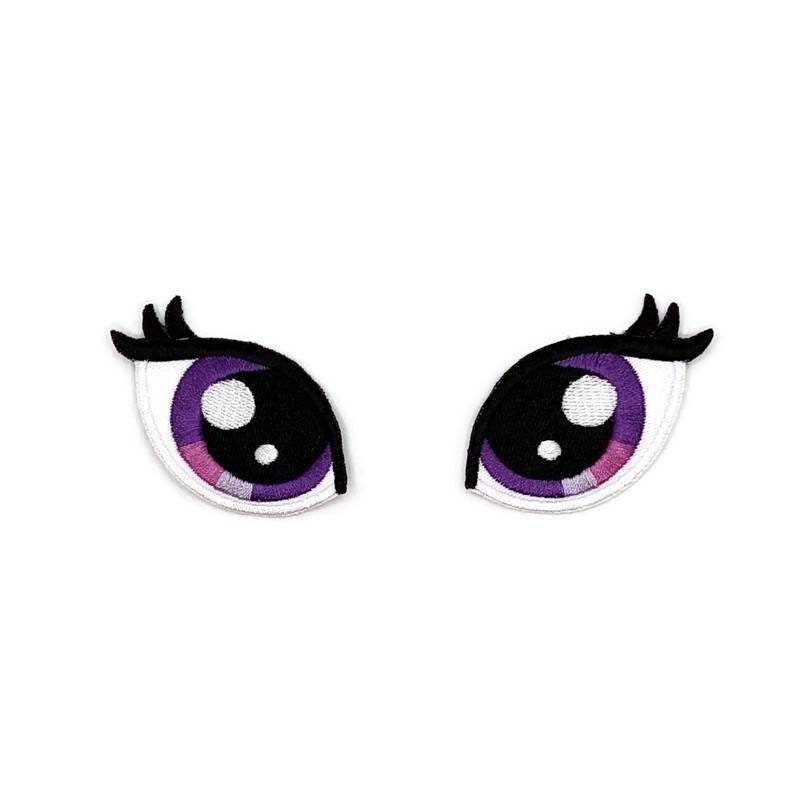
Download high-resolution lash and eyelid templates in PDF format at 300 DPI to achieve sharp contours and smooth curves during cutting. Files prepared for A4 or US Letter prevent distortion and keep proportions accurate for party masks, wall decals, and cake toppers.
Select designs with thick outer lines (2–3 pt stroke weight) for scissors, or thinner vector paths for cutting machines such as Cricut or Silhouette. SVG files allow resizing without quality loss, which helps when scaling decorative facial details from small cupcake picks to large backdrop elements over 50 cm wide.
Print on 160–220 gsm cardstock for sturdy craft pieces, or adhesive vinyl sheets for stickers and wall decor. Disable page scaling and set print quality to “high” to keep lash tips crisp and symmetrical. Store downloaded templates in labeled folders by size and style–closed lashes, side glance, long curved brows–to simplify future projects.
Unicorn Eyes Printable
Choose 300 DPI PDF or SVG lash templates sized exactly to your final project so curved lines remain smooth after cutting. For wall decor larger than 40 cm wide, use vector files to prevent pixelation during scaling.
For party masks, set the width between 14–18 cm so facial proportions look balanced on a child’s head. Add mirrored closed-lash designs with long upper curves and minimal lower detail to simplify cutting and gluing.
Use 200 gsm cardstock for props that must hold shape during handling. Lightweight 80–100 gsm paper bends easily and may curl after applying glue or glitter.
Activate high-quality print mode and disable “fit to page” to keep symmetry intact. A 5% scaling shift can distort brow alignment and make paired lashes appear uneven.
For cutting machines, import SVG files and set blade depth according to material thickness: level 3–4 for standard cardstock and level 1–2 for adhesive vinyl. Perform a small test cut to check tip sharpness on fine lash points.
Apply double-sided tape along thicker contour sections rather than near thin lash tips to prevent bending. Position decorative facial elements 2–3 cm below a horn piece for balanced composition on posters or dessert table backdrops.
Store digital templates in labeled folders by style–closed arcs, side glance designs, long dramatic lashes–and keep separate versions for small crafts and large displays to avoid resizing errors.
How to Choose the Right Unicorn Eye Template Size for Masks and Wall Decor
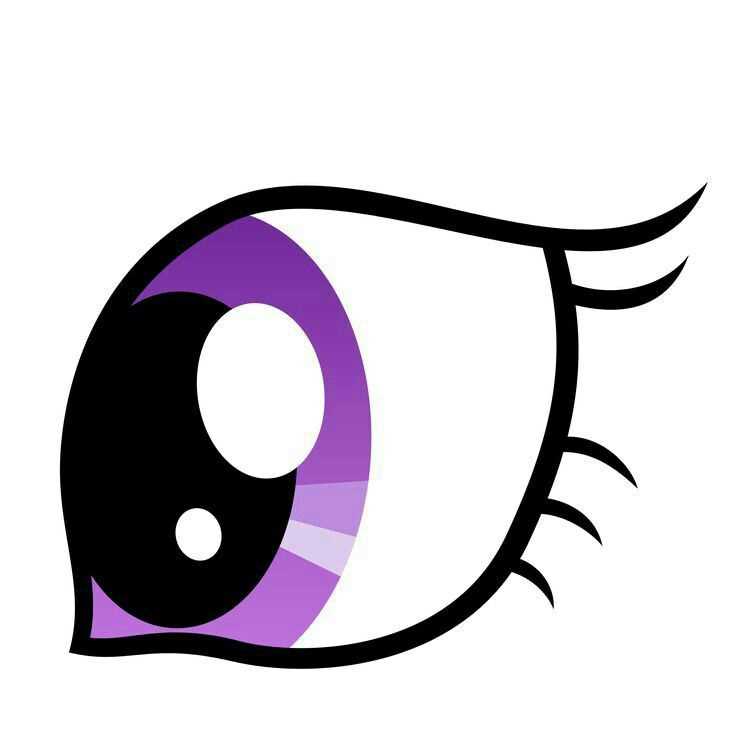
Measure the base surface before scaling any lash template so proportions stay balanced on masks or wall panels. For children’s face masks, keep each curved eyelid design between 6–8 cm wide to align naturally with a standard 16–18 cm mask width.
For toddler-sized masks, reduce width to 4–5 cm and shorten lash length to prevent overlap with cheeks. Test placement by printing a draft on plain paper and taping it temporarily to confirm spacing and symmetry.
For wall decor above dessert tables, increase each closed-lash graphic to 20–30 cm wide. If the backdrop exceeds 1 meter, scale designs proportionally so paired elements occupy about 60–70% of the central area, leaving room for a horn and floral accents.
Maintain consistent spacing between paired curved eyelids. A gap of 8–12 cm works well for small posters, while large panels may require 25–40 cm separation depending on horn width.
Use vector files to resize without losing contour sharpness. Raster graphics below 2000 pixels wide can blur when enlarged beyond 150%, causing uneven lash tips and distorted arcs.
Print a scaled test sheet at 100% without page fitting enabled. Check alignment by folding the paper vertically; mirrored shapes should match precisely along the center crease.