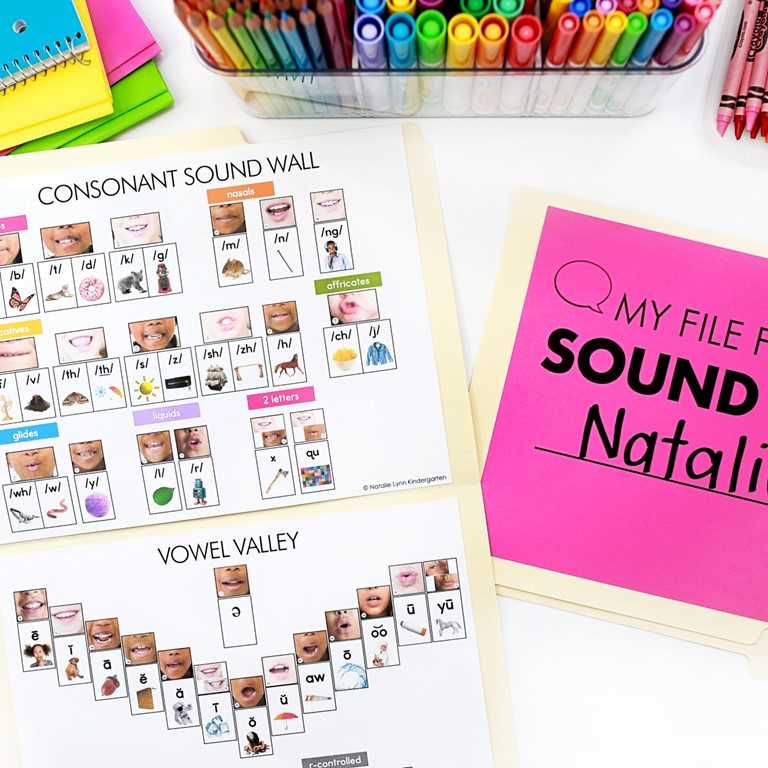
To help students understand the relationship between sounds and their written forms, set up a visual guide that displays common phonetic patterns. This tool can be printed and displayed in any learning space to assist children with recognizing and matching sounds to letters. By organizing these sounds in a chart, learners can easily associate each sound with its corresponding letter combinations.
Begin by categorizing sounds into groups such as consonants, vowels, blends, and digraphs. Make sure the visuals are clear and easy to read, with larger fonts for younger learners. Use color coding or symbols to make different sound categories stand out, helping children quickly identify the type of sound in any word they encounter.
This tool is not only useful for phonics practice but also for reinforcing spelling rules. By regularly referencing the visual chart, students can build stronger connections between pronunciation and writing. Incorporating this into daily lessons or activities will allow students to practice sound recognition and improve their literacy skills over time.
Creating a Visual Guide for Phonics Practice
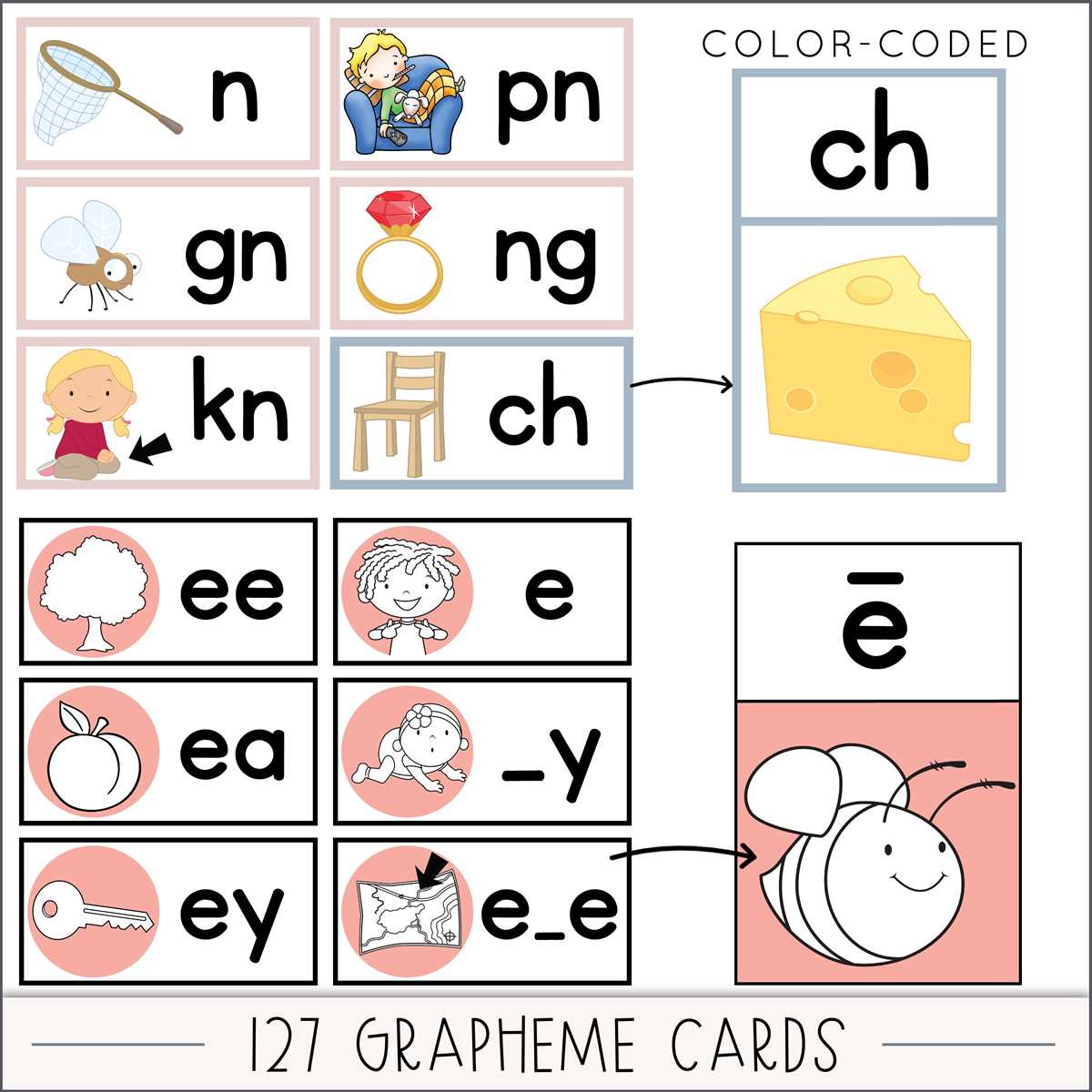
For effective phonics instruction, begin by categorizing sounds into groups such as consonants, vowels, digraphs, and blends. This approach makes it easier for learners to understand the relationship between letters and their corresponding sounds. Each group should be clearly labeled and visually distinct, making it easier for students to recognize and recall patterns.
Consider color-coding the sounds according to their types. For example, use one color for consonants, another for vowels, and a third for digraphs. This visual differentiation helps students quickly identify the category of sounds, which aids in both learning and retention. It also provides a useful reference tool for students when they are writing or reading.
To make the visual guide interactive, consider including example words for each sound category. By associating each phoneme with a familiar word, students can understand how sounds are used in context. This allows them to practice recognizing the sound in various environments and solidifies the connection between letters and their phonetic value.
Make sure the guide is easily accessible in the classroom or learning area. Display it at eye level for young learners, so they can refer to it as needed during lessons. You can also encourage students to use it during independent work, which will help reinforce their phonetic skills.
Finally, encourage regular use of the visual guide by incorporating it into various learning activities. During reading exercises, ask students to identify sounds in the words they encounter. During writing exercises, challenge them to use the visual reference to check their spelling and sound choices. Over time, this will help students internalize phonics rules and improve their literacy skills.
How to Set Up a Sound Wall for Phonics Practice
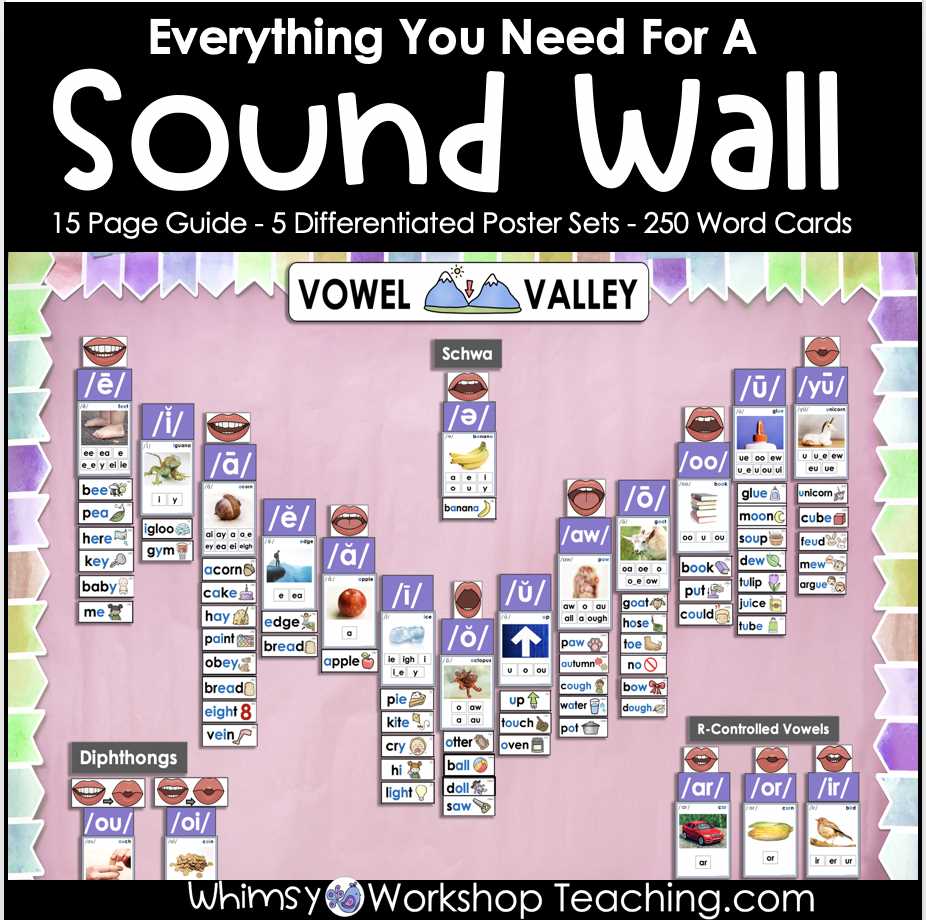
Start by selecting a space that is easily accessible and visible to your learners. A wall near the whiteboard or a designated learning area works best for this purpose. The goal is for students to refer to the chart frequently, so make sure it’s within their line of sight during lessons and activities.
Organize the sounds into clear, distinct categories. Begin with single consonants, followed by vowels, then continue with common blends and digraphs. Ensure that each sound category is placed together, either horizontally or vertically, so students can make connections between the sounds as they progress through the chart.
For each category, use large, legible fonts. Include both upper and lowercase letters to allow for full recognition. For instance, in the consonant section, you might display “b”, “c”, “d”, and so on, with simple words or images that correspond to each letter. For vowels, list them in their short and long forms (e.g., “a” as in “cat” and “a” as in “cake”).
Incorporate color coding for added clarity. Use different colors for each category of sounds, such as blue for consonants, red for vowels, and green for digraphs. Color coding provides a visual cue, helping learners differentiate between sound types and strengthening their recall.
Next, place example words next to each sound to illustrate how they are used in context. For example, under the “sh” digraph, you could add “ship” and “shoes.” This will allow students to see how these sounds appear in real-world words, making it easier for them to recognize and apply the sounds in reading and writing.
Finally, regularly review and update the chart as new sounds are introduced. As your learners progress, consider adding more advanced phonics patterns, like diphthongs or silent letters. This ensures the chart continues to be a relevant and helpful resource throughout their learning process.
Incorporate the use of the chart into daily lessons by encouraging students to reference it while reading or writing. During group activities, ask them to identify words from the chart or create their own words using the sounds they’ve learned. This reinforcement will help solidify their understanding and mastery of phonics patterns.