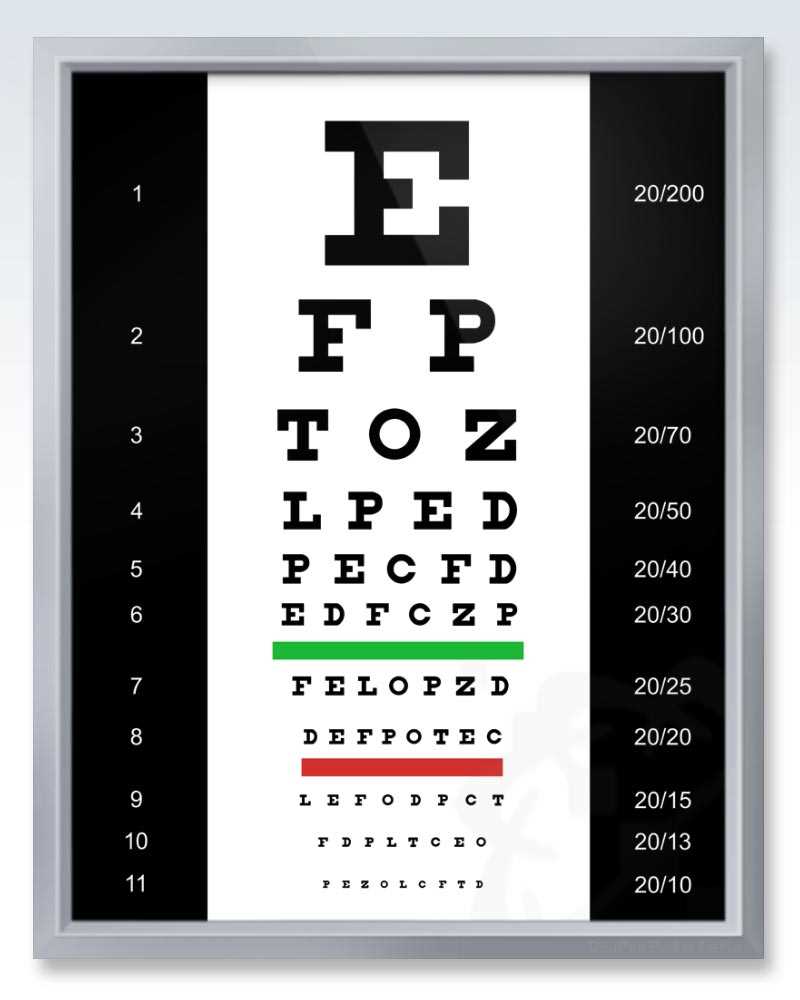
If you’re testing your eye health at home, using a printed eye test sheet is an effective way to assess your sharpness. Simply print the chart in high resolution and hang it at the proper distance. Most printable sheets are designed to follow the standard guidelines of the Snellen system, so you can easily interpret the results. This process is straightforward and requires no professional tools, making it a quick and accessible option for regular checks.
To get accurate results, ensure you use the sheet in proper lighting. Stand about 10 feet away from the printed chart and make sure your eyes are level with the center of the sheet. It’s recommended to test each eye separately, covering one eye while reading the smallest line you can clearly identify. A ruler or measuring tape can help verify that you maintain the correct distance during testing.
Additionally, ensure that the chart is scaled to the right size when printed. Some versions come with clear instructions on how to scale the image on your printer. Always check for the recommended size, especially if your printer settings might affect the scale of the letters. A distorted chart may lead to inaccurate results, which can misrepresent your vision status.
How to Use an Eye Test Sheet Effectively
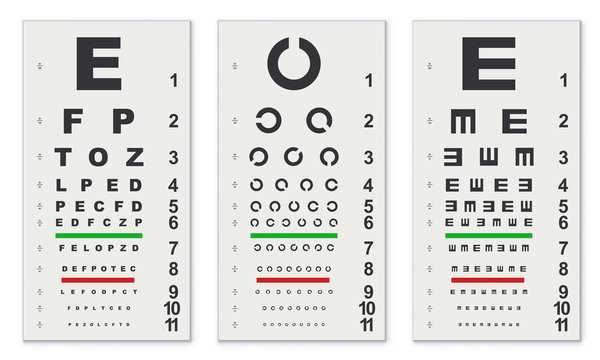
Start by ensuring the sheet is printed at the correct size. The standard Snellen scale relies on specific measurements, so print it in high resolution for accurate results. Verify the size of the letters on the sheet against the given guidelines to avoid distortion from printer settings.
Place the sheet at the correct distance–usually about 10 feet from where you stand. Measure the distance carefully with a tape measure to ensure accuracy. Standing too close or too far can affect the clarity of the test results.
Make sure the lighting in the room is adequate. Poor lighting can make the test more difficult and might lead to inaccurate assessments. Ideally, use natural light or a soft, evenly distributed artificial light source to minimize shadows and glares on the sheet.
To test one eye at a time, cover the other eye completely with your hand. Avoid pressing on the eye, as this can distort the test. Start by reading the top row, then move to progressively smaller lines. Record the smallest line you can read clearly with each eye.
If you struggle with certain lines, it’s okay to skip them, but keep in mind that the purpose is to gauge the sharpness of your vision. If you can’t read below a certain line, note where you stopped. This information is useful for understanding any vision issues you may need to address.
Take breaks if you find it difficult to focus on the test for an extended period. Fatigue can affect your ability to perform the test accurately. Test your eyes at different times of day to see if there’s any variation in your ability to read the lines.
If you notice any significant differences between your eyes or find that you cannot clearly see certain lines, it’s a good idea to consult an optometrist for a more thorough exam. This simple test at home can provide insight into your eye health but is not a substitute for professional evaluation.
How to Use a Printable Eye Test Sheet at Home
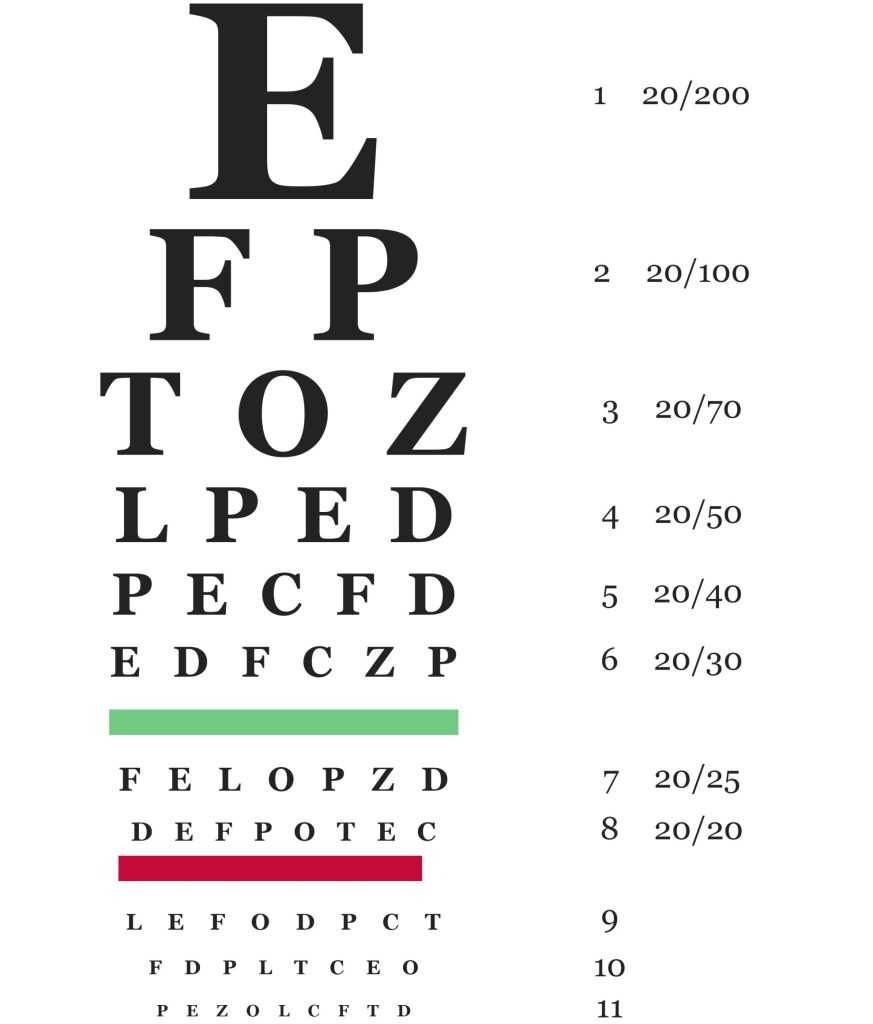
First, print the eye test sheet in high resolution to ensure the text and symbols remain sharp and clear. Avoid resizing the file, as this can distort the image and affect accuracy. Check that the document is printed at actual size, usually indicated in the instructions provided with the sheet.
Place the sheet on a flat surface and ensure it is positioned at the appropriate distance. For most standard tests, the sheet should be placed about 10 feet away from where you will stand. Measure the distance carefully using a measuring tape to maintain accuracy throughout the test.
Ensure the lighting in the room is bright and even. Insufficient or overly harsh lighting can interfere with the clarity of the test. Ideally, perform the test in a well-lit room, with soft light directed at the sheet to reduce shadows or glares that might distort the results.
Cover one eye completely with your hand or a patch, ensuring no light enters from the sides. Begin by reading the first line of text aloud, then proceed to the next. Continue this process until you can no longer read the text clearly. Record the smallest line you can read easily with each eye.
If you struggle to read the letters or symbols on a specific line, make a note of it. It’s important to recognize where your vision starts to decline. If the text on a line is difficult to read or blurred, you may need to see an optometrist for further evaluation.
Take your time during the test. Don’t rush through it, as fatigue can lead to incorrect results. You can also repeat the test after a short break to see if your results change, especially if you feel your eyes are tired or strained.