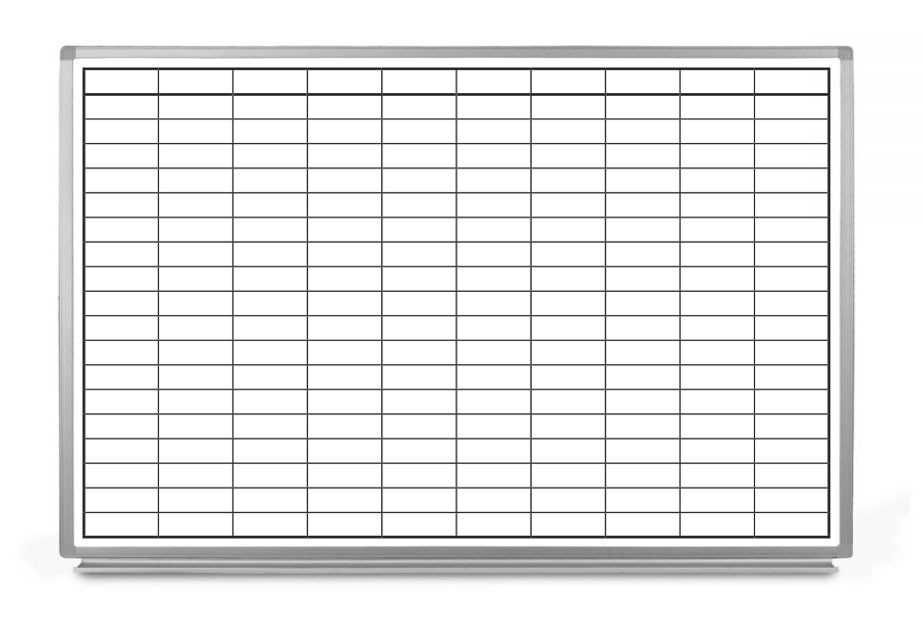
Switching to reusable materials can streamline your planning and organization tasks. Opting for custom-printed boards allows you to create a personalized space for note-taking, brainstorming, and presentations. These boards offer an eco-friendly alternative to traditional paper notes, providing the flexibility to update and adjust your work without wasting resources.
The printing process enables you to incorporate any design, pattern, or template into your workspace. Whether you need calendars, grids, or specific charts, customizing these boards ensures they fit your unique workflow. Additionally, the ability to easily clean and modify them makes it simple to maintain an organized environment without the clutter of permanent markers or outdated information.
Using these materials also encourages a more interactive approach to learning and collaboration. By simply writing and wiping off content, you can keep ideas flowing without the limitations of a static medium. This feature makes it ideal for classrooms, offices, or any setting that requires constant updates or visual references.
Printable Dry Erase: A Practical Guide

To create reusable surfaces, opt for printable materials that allow quick removal and modification of content. Use high-quality, non-porous paper or synthetic film that resists staining from markers. Make sure your printer is compatible with these materials for optimal results.
The key is to select the right markers. Choose ones specifically designed for non-permanent writing. These markers will provide clear visibility without leaving residual marks after wiping. Test them to ensure they erase without streaks.
For durability, laminate your printouts. Laminating not only extends their lifespan but also ensures that the surface remains smooth for easy cleaning. This is particularly beneficial if the material is exposed to frequent use or harsh conditions.
If your printable sheet includes complex designs or charts, consider using a thinner layer of laminate to maintain flexibility. This reduces the stiffness and makes the sheet easier to handle in dynamic environments like classrooms or meeting rooms.
For those working with multiple people, make sure to provide cleaning supplies that won’t damage the surface. Soft cloths or microfiber wipes are ideal, as they prevent abrasion while keeping the material pristine.
When storing, keep the sheets flat to avoid creases or bends, which can affect the usability of the surface. Store them in a cool, dry place to prevent warping or other damages caused by moisture or extreme temperatures.
For maximum versatility, incorporate templates that can be customized and reused. These templates save time and allow you to maintain organized layouts, whether for planning, teaching, or brainstorming sessions.
Choosing the Right Printable Materials for Your Needs
Consider your intended purpose first. If you’re creating reusable teaching aids or planning to use the surface for frequent writing and cleaning, opt for thicker, durable films or laminated sheets. These materials offer resistance to wear and tear, ensuring they can withstand constant use. For a more flexible option, thinner sheets might work, but they may show signs of damage sooner under heavy use.
The surface texture matters greatly. Smooth finishes are best for easy-to-read marks and quick wiping, while textured options provide more resistance and may allow for better grip of markers. Think about whether you’re working in a dry, dust-free environment or somewhere that might have more wear, as certain textures hold up better in these conditions.
Next, consider the size and shape. Large surfaces are ideal for brainstorming sessions or classrooms, but they require larger sheets that may not be as portable. Smaller formats, such as individual cards or mini whiteboards, are more suitable for quick notes or personal use, offering greater portability without compromising functionality.
Finally, check the compatibility with the writing tools you plan to use. Some materials respond better to specific markers, ensuring smudge-free results. Testing different combinations will help you find the best setup for your needs and prevent frustration down the line.