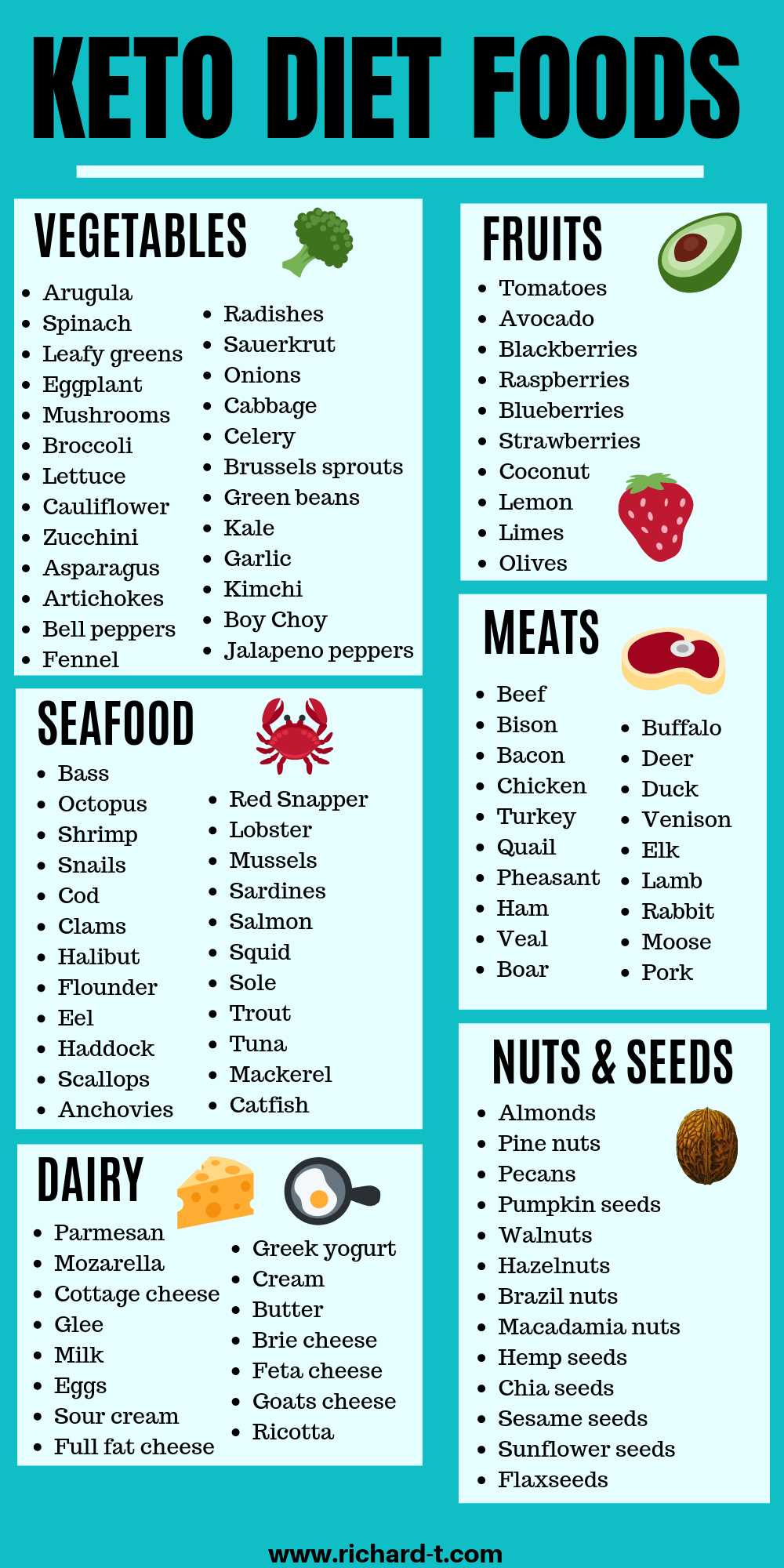
Start by identifying the foods that fit within a low-carb lifestyle. Focus on nutrient-dense options that offer healthy fats, proteins, and minimal carbohydrates. Stock up on meat, eggs, fish, and plenty of non-starchy vegetables like leafy greens, cucumbers, and peppers. These are the building blocks of a balanced, low-carb approach that supports energy levels without spiking blood sugar.
When shopping, prioritize whole, unprocessed items. Fresh cuts of meat, eggs, and fresh produce should be at the top of your list. Avoid pre-packaged or processed options that often contain added sugars or hidden carbs. A straightforward approach ensures that every item in your pantry contributes positively to your eating goals.
It’s also helpful to keep a reference guide for grocery shopping. A well-organized chart can streamline your trips, so you won’t forget any key items and can make smarter, faster decisions while in the store. Organize the chart by categories: proteins, vegetables, healthy fats, and snacks to make the process efficient.
In addition to fresh options, don’t forget to include pantry staples like olive oil, coconut oil, and certain nuts and seeds. These foods are not only convenient but also provide the healthy fats needed for this way of eating. Having these on hand means you’ll always be prepared for quick meals or snacks throughout the day.
How to Create a Practical Grocery Guide for Low-Carb Diets
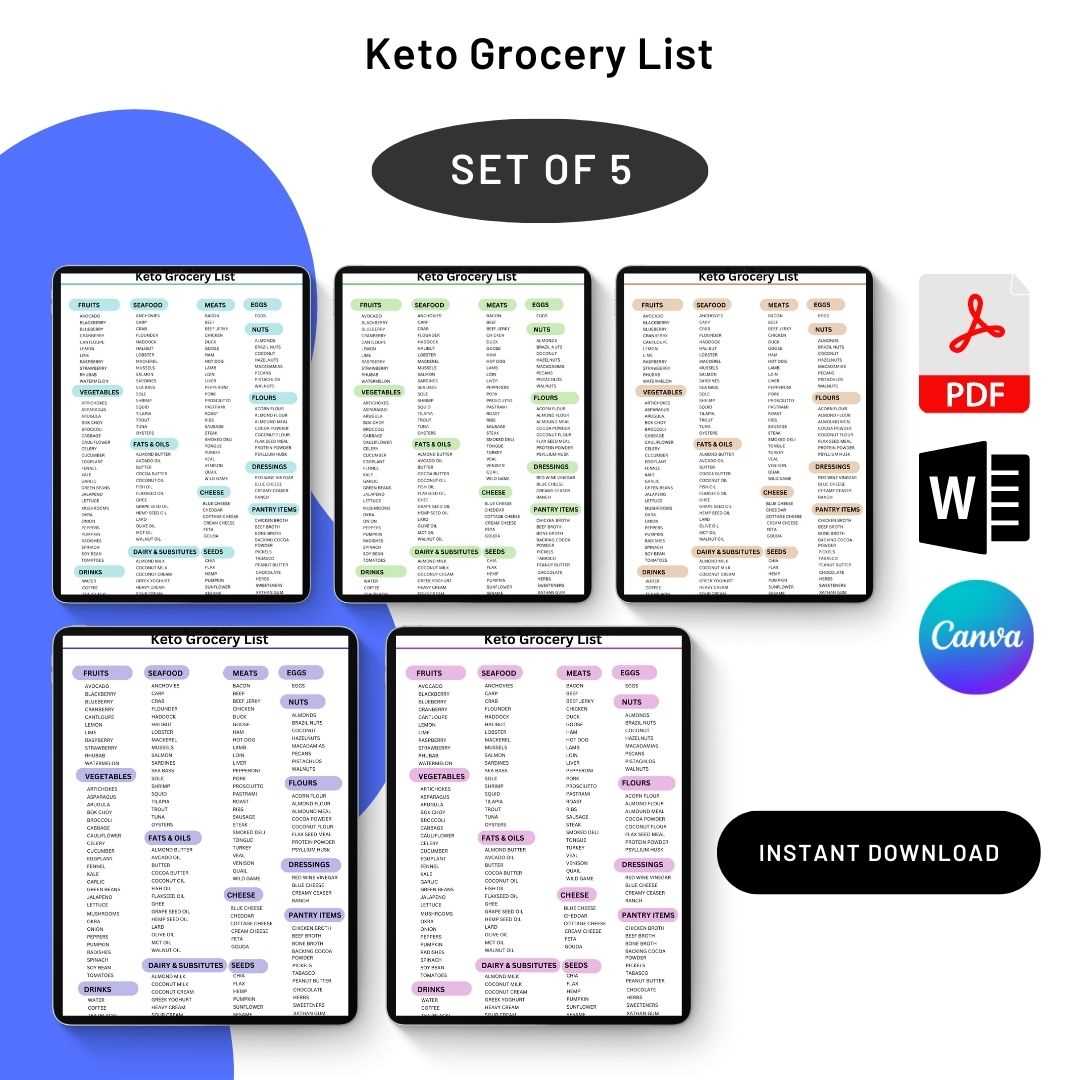
Begin by categorizing items into basic groups: proteins, fats, and vegetables. This approach helps streamline your shopping and ensures that every item you purchase fits within the dietary plan. Focus on high-quality sources of meat, poultry, and fish, as they will provide the majority of your daily protein needs. Look for options like grass-fed beef, wild-caught fish, and pasture-raised eggs for the best nutrient density.
For fats, choose healthy oils like olive, coconut, and avocado oil, as well as nuts and seeds. These are your primary sources of energy, so opt for varieties that are unrefined and minimally processed. Full-fat dairy, such as butter, cream, and cheese, also fits well into your eating regimen and supports fat intake, keeping you satisfied for longer periods.
Non-starchy vegetables should form the backbone of your meals. These include leafy greens, zucchini, cauliflower, and broccoli, all of which are low in carbohydrates and high in fiber. Keep a variety of these vegetables on hand, and be sure to include them in your meals for maximum nutrient intake without exceeding carb limits.
Some people find it helpful to include a list of snacks for quick bites between meals. Look for options that include nuts, seeds, cheese, or small portions of berries. These snacks should be easy to grab and high in healthy fats, helping you stay satisfied without spiking your blood sugar.
In addition to fresh options, stock up on pantry staples like canned coconut milk, almond flour, and low-carb sweeteners. These ingredients are versatile and can be used to prepare a wide range of meals and snacks, from baked goods to sauces. Having these essentials on hand ensures you’re ready to create low-carb dishes at any time.
Lastly, create a shopping sheet or reference guide that categorizes items based on your typical meals. By grouping ingredients by type and frequency of use, you’ll save time during your grocery runs and reduce the likelihood of purchasing unnecessary or off-limits items. This approach makes it easier to stick to your plan and keep your pantry stocked with suitable options at all times.
How to Use a Printable Guide for Meal Planning
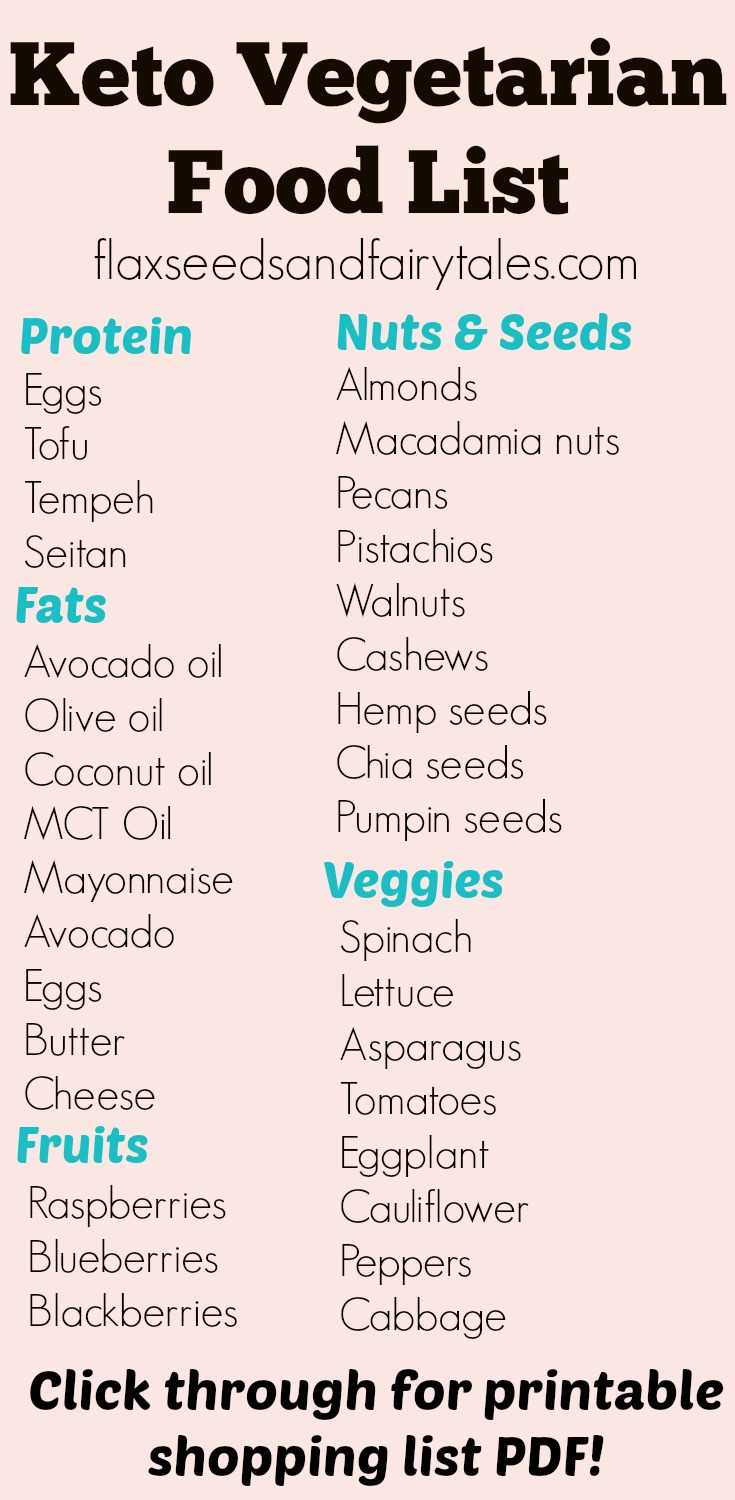
Begin by organizing your meals around categories like protein sources, low-carb vegetables, and healthy fats. For each meal, choose one option from each category based on your preferences or dietary goals. This way, you’ll always have a balanced approach when preparing meals, ensuring you get enough nutrients while staying on track.
After selecting your meals, write down the items you’ll need for the week. Refer to your categorized shopping guide to avoid buying unnecessary items. This method simplifies grocery shopping, helping you stay focused on buying only what’s needed for your meal plan and cutting down on wasted time or impulse purchases.