Start with gentle routines designed to increase mobility and reduce discomfort. These activities can be done daily and require no equipment. It’s important to focus on slow, controlled movements to avoid strain.
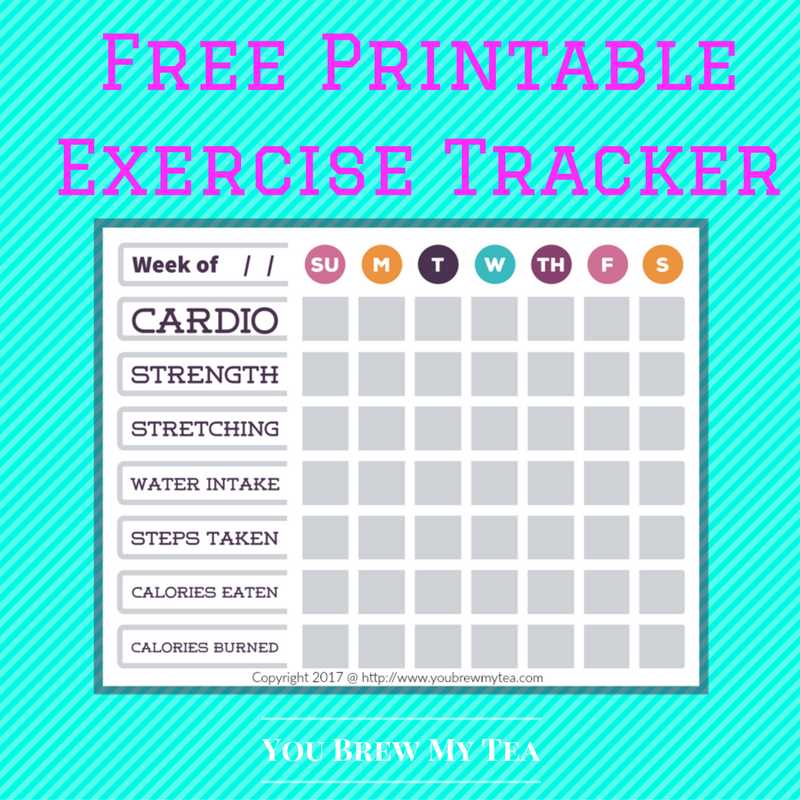
Look for clear and easy-to-follow guides to assist you in performing each movement. Printable charts or downloadable sheets often offer a convenient way to access these activities and keep track of progress. Ensure that the movements chosen are suitable for your physical condition.
It’s advisable to focus on simple, low-impact motions that improve joint range and reduce stiffness. Prioritize stretches for the back, legs, and shoulders, as these areas tend to become tight with age. Regular practice can help maintain independence and comfort throughout daily tasks.
Simple Routines to Enhance Flexibility and Mobility
Start by targeting key areas such as the neck, shoulders, and legs to improve overall flexibility. Gentle, controlled movements will help increase range of motion and reduce stiffness over time.
Focus on upper body stretches like arm circles. This movement helps loosen the shoulders and increase arm flexibility. Perform the motion slowly, allowing the muscles to gradually lengthen. Repeat for 10-15 seconds per direction.
Next, move to seated leg stretches. While sitting, extend one leg forward and gently lean towards the extended foot. Hold for 15-20 seconds. This will aid in lengthening the hamstrings and easing tension in the lower body.
Incorporate lower back stretches, which can often feel tight. A simple stretch involves lying on your back and pulling one knee to the chest. This relieves pressure on the spine and helps improve flexibility in the lower back region.
Seated twists are another excellent option. Sit with your feet flat on the floor, and gently twist your torso to one side, using your hands for support. Hold for 10-15 seconds on each side. This promotes spinal flexibility and helps maintain posture.
To further enhance leg mobility, try calf stretches. Stand facing a wall and place one foot forward while keeping the other leg extended behind. Gently press the back heel towards the floor, feeling the stretch along the calf. Hold for 20-30 seconds.
Remember to breathe deeply and move slowly. Consistent practice of these stretches can reduce discomfort, improve flexibility, and promote daily ease of movement. Make it a part of your regular routine for lasting benefits.
How to Choose the Right Movements for Older Adults
Select gentle movements that target the neck, shoulders, and legs to enhance flexibility and circulation. Opt for motions that avoid strain and focus on slow, controlled stretches.
Avoid deep or sudden bending. For instance, instead of a traditional hamstring stretch that requires bending at the waist, try seated variations to keep the back safe and supported while working on flexibility.
- Focus on stretches that are simple and do not require excessive range of motion.
- Look for movements that can be done while seated or standing with support for stability.
- Choose exercises that target the lower back, legs, and upper body, as these areas are prone to stiffness.
Pay attention to joint health when selecting movements. Opt for stretches that gently mobilize joints like the wrists, knees, and ankles, which can be more susceptible to discomfort.
Consider stretching sequences that combine deep breathing and slow movement to promote relaxation and reduce stress. For example, the “cat-cow” stretch can help maintain spine mobility while being gentle on the joints.
- Ensure movements are safe and tailored to your mobility level to avoid overstretching or straining.
- Avoid exercises that require too much twisting or bending, especially for those with mobility issues or balance concerns.
Consistent practice with safe, simple stretches can help maintain flexibility, improve circulation, and reduce stiffness. Begin with a few basic moves and gradually increase the intensity as comfort improves.