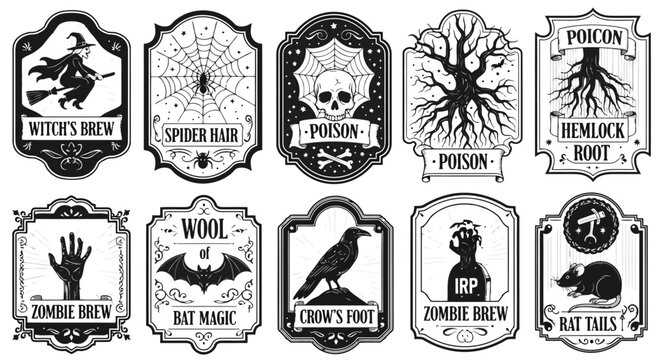
Choose aged parchment–style tag designs sized between 5×7 cm and 7×10 cm – these dimensions fit most glass containers used in themed décor. For the most realistic look, print the artwork on 120–200 gsm matte paper and lightly distress the edges with fine sandpaper or brown ink. This simple step instantly adds a convincing antique effect.
Focus on typography that mimics nineteenth-century pharmacy aesthetics: serif fonts, ornate frames, and slightly faded black or sepia ink tones. Avoid glossy finishes; they reflect light and reduce the illusion of authenticity. If you plan to attach the tags with glue, apply a thin layer of diluted PVA and press firmly for 20–30 seconds to prevent curling.
For a cohesive party setup, prepare a small collection of themed names such as “Arsenic Elixir,” “Midnight Tonic,” or “Witch’s Draught.” Arrange containers in clusters of three or five on dark trays or wooden crates. Under warm, low lighting, these decorated pieces create a convincing vintage apothecary display that works equally well for home décor, party tables, or themed photo zones.
Store your downloaded artwork in high-resolution PDF or PNG format (300 DPI) so details remain sharp after printing. Keeping a few neutral background variations – parchment, stained paper, or cracked texture – allows you to refresh the look each season without redesigning the entire set.
No-Cost Ready-to-Print Toxic Flask Tags: Practical Guide
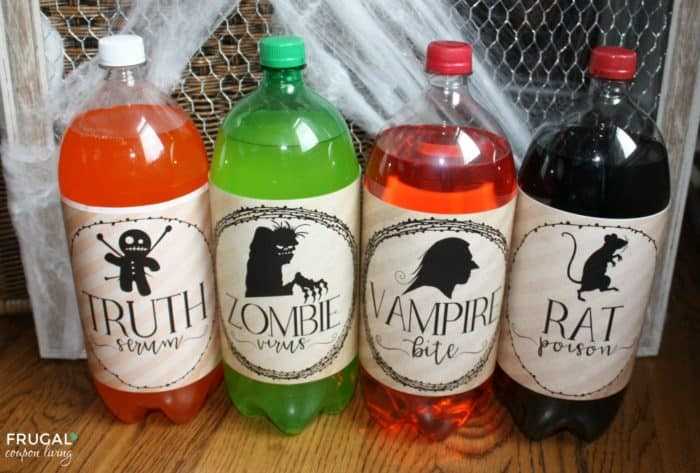
Choose high-resolution designs (at least 300 DPI) so the graphics stay sharp after you output them on paper. Low-quality files often blur around small lettering such as “arsenic” or “witch’s brew,” which ruins the vintage illusion. If you plan to resize, verify that the original file is vector-based (SVG or PDF) rather than a compressed raster image.
Select paper stock deliberately. Thin office sheets wrinkle easily when glued to glass containers, while matte photo paper (around 170–200 gsm) gives a convincing aged look and resists moisture. For a more antique effect, tea-stain the sheets before cutting: steep one black tea bag in 250 ml of hot water, brush lightly across the surface, and air-dry for 20 minutes.
Cutting accuracy changes the final appearance more than most people expect. Use a metal ruler and craft knife instead of scissors for straight edges. For ornate shapes, a small precision blade (No.11) helps trace curves cleanly. Leave a 2–3 mm margin outside decorative borders so the design doesn’t look cramped when attached.
Attachment method matters. Glue sticks work for temporary party decor, but for glass jars displayed overnight, diluted PVA (mix 3 parts glue with 1 part water) spreads more evenly and dries without bubbles. Apply with a soft brush from the center outward. Avoid double-sided tape; it creates visible ridges under thin paper.
Typography should match the theme. Gothic serif fonts such as Blackletter styles suit apothecary aesthetics, while distressed typefaces enhance “aged laboratory” props. Keep body text above 10 pt after scaling; anything smaller becomes unreadable from a distance of one meter, which is the typical viewing range on party tables.
Before fixing tags permanently, test placement on empty glassware. Position the graphic so the main word sits at eye level when the container stands on a table about 75 cm high. Rotate slightly off-center for a more authentic antique display rather than perfect alignment.
Store unused designs flat in a dry folder. Humidity above 60% can curl treated paper within days, especially if tea-stained. If you plan to reuse the decorations next season, spray the finished pieces lightly with clear matte acrylic from 25–30 cm away; one thin coat protects the surface without adding shine.
Where to Find High-Quality Complimentary Spooky Vial Sticker Designs Online
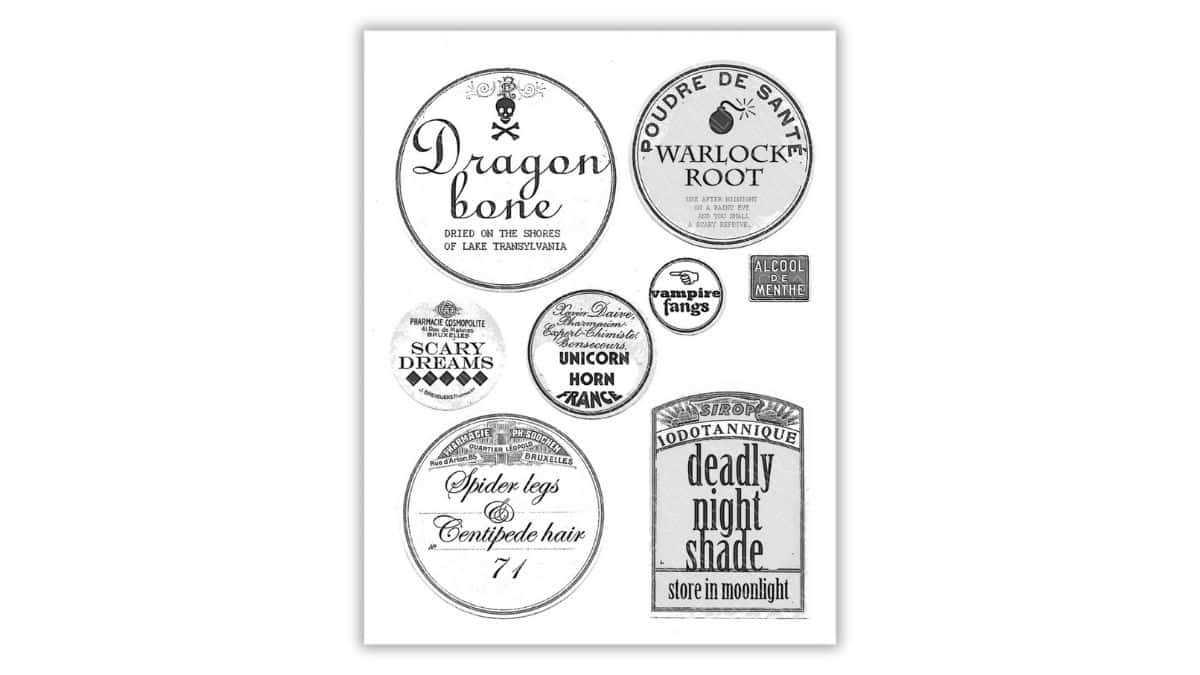
Check Creative Commons image libraries first–sites like :contentReference[oaicite:0]{index=0} and :contentReference[oaicite:1]{index=1} host hundreds of vintage apothecary-style graphics ready for home use. Use search phrases such as “antique apothecary tag,” “witch potion tag,” or “vintage pharmacy decal” to surface sharper, high-resolution artwork rather than generic party graphics.
Design marketplaces often hide the best downloadable artwork inside blog sections rather than product listings. The blog area of :contentReference[oaicite:2]{index=2} frequently publishes themed sheets sized for standard paper formats (US Letter and A4). Files usually come in PNG or PDF at 300 DPI, which prevents blurry edges after printing. Filter by “transparent background” if you plan to place the artwork over colored paper.
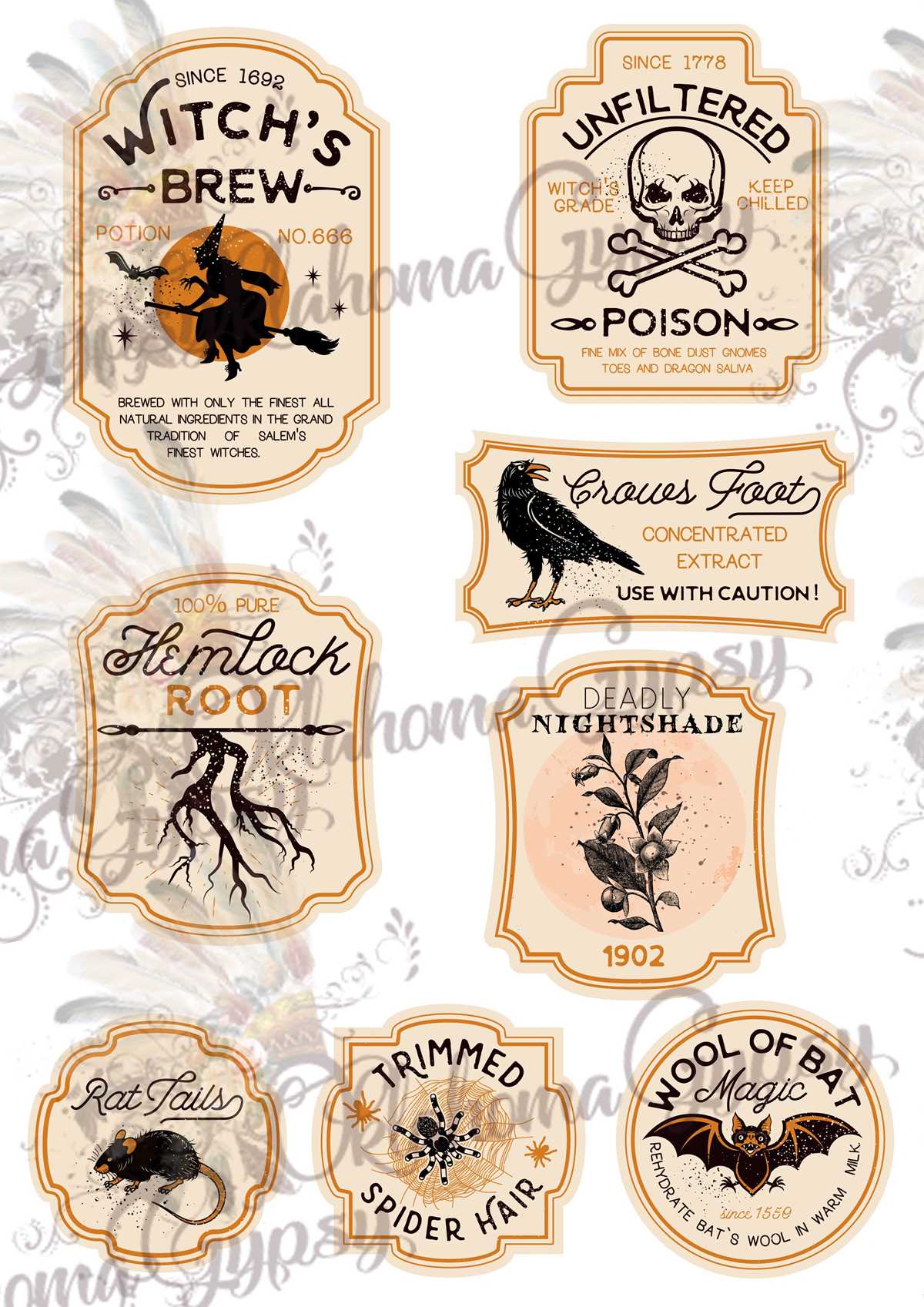
Pinterest remains one of the fastest discovery tools, but only if you search strategically and follow the source links instead of saving random pins.
- Use long-tail queries like “Victorian apothecary jar tag sheet.”
- Prioritize pins linking to blogs or design studios.
- Avoid images smaller than 1000 px on the longest side.
- Check whether the creator specifies personal-use rights.
Independent craft blogs often provide the most detailed vintage sets. Look for creators who mention paper weight recommendations (typically 200–250 gsm) and include multiple aging styles such as sepia, distressed parchment, or gothic ink. Blogs that show real-life application photos usually offer better-scaled artwork than mass download hubs.
If you prefer fully editable files, browse template libraries inside :contentReference[oaicite:3]{index=3}. Search within the “vintage label” or “apothecary” categories and filter for designs with unlocked text layers. This allows you to rename ingredients, adjust fonts, and resize elements before exporting a high-resolution PDF suitable for home printers.
Before downloading anything, verify three technical details: resolution at or above 300 DPI, page size matching your printer settings, and clear usage permission. Skipping these checks often leads to pixelated artwork or restricted use notices after printing, which wastes both ink and specialty paper.