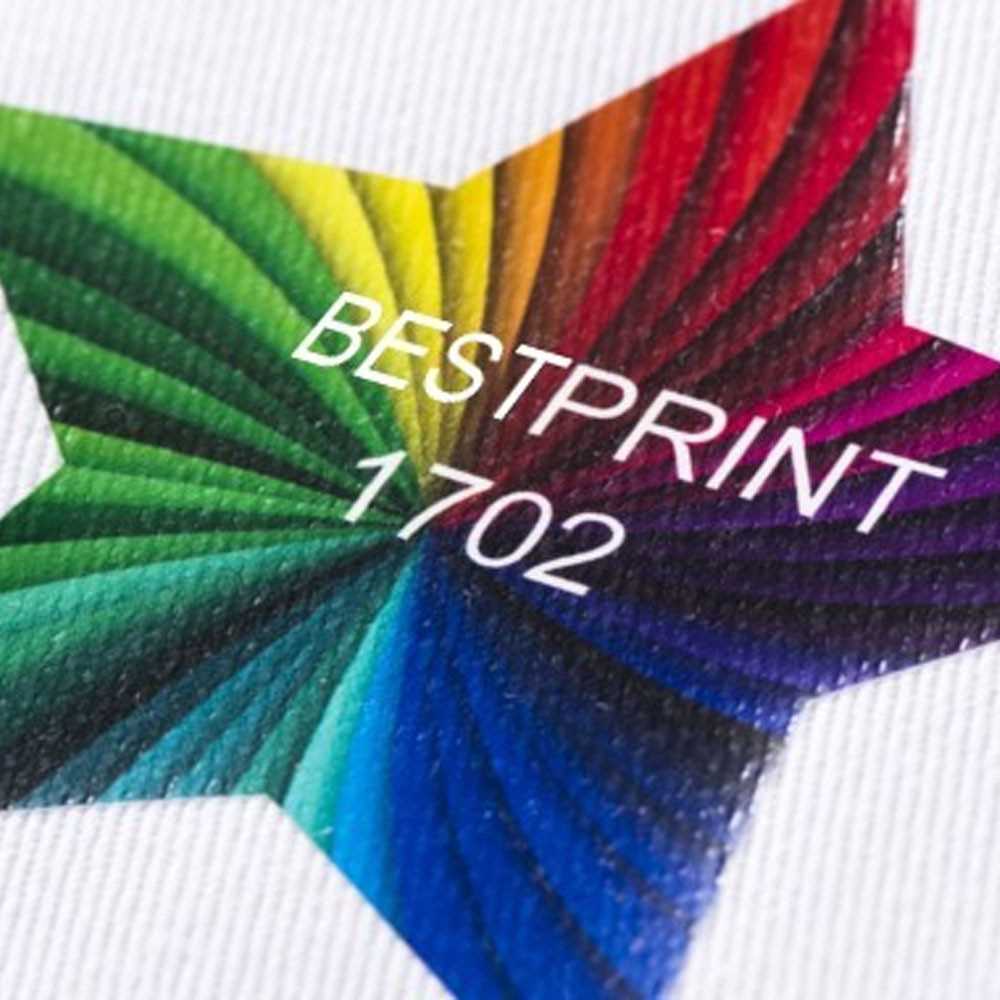
For high-quality custom designs on fabric, look for transfer sheets that offer durability and easy application. Make sure the material is compatible with your printer type–whether inkjet or laser–to ensure sharp prints and vibrant colors. Select sheets designed specifically for fabric or other surfaces, as these will provide better adhesion and longevity than general-purpose transfer paper.
Thicker transfer sheets provide more strength, ensuring your design won’t peel or fade after multiple washes. When shopping for materials, check for customer reviews to see how well they hold up over time. It’s also a good idea to consider the finish of the transfer, as matte, glossy, and satin options can all yield different visual effects.
For best results, test the material on a small section of your chosen fabric to confirm the printer settings and temperature needed for proper application. Some brands also offer pre-cut designs or templates to simplify the process, which can be especially helpful for intricate patterns or small projects.
Top Transfer Materials for Custom Fabric Projects
For high-quality custom designs on fabric, choose materials that offer durability and easy application. A great option for beginners and experienced crafters alike is the Silhouette Printable Transfer Material, which is known for its easy handling and long-lasting results. It’s compatible with both inkjet printers and laser printers, making it versatile for different setups.
If you need vibrant colors and a smooth finish, Cricut Printable Iron-On stands out for its excellent adhesion. The material is designed to be heat-pressed onto fabrics, ensuring a professional look that won’t crack or peel after multiple washes. It’s an ideal choice for custom apparel, accessories, or home decor projects.
For a matte or subtle finish, consider Solvent Printable Transfer Paper, which offers a more understated look. This option is particularly suited for lighter fabrics or designs where a soft appearance is desired. To achieve the best results, follow the manufacturer’s instructions carefully regarding printer settings and heat pressing techniques.
How to Choose the Right Transfer Material for Your Project
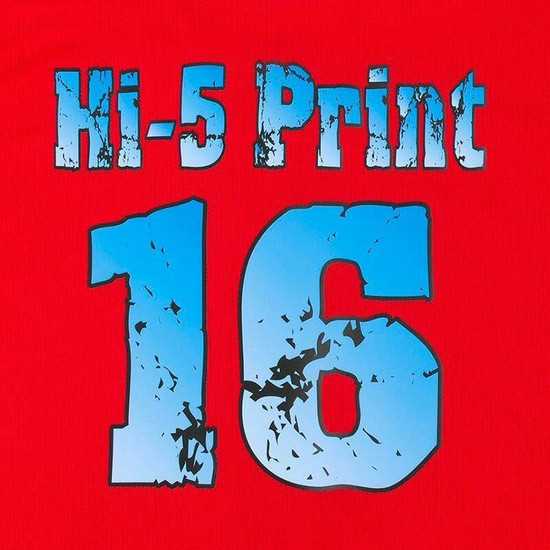
First, assess the type of fabric you will be using. For cotton and polyester, you can choose a standard transfer sheet that bonds well with these common materials. If you’re working with specialty fabrics, such as nylon or spandex, look for transfer sheets specifically designed for those materials to ensure proper adhesion and flexibility.
The next step is to determine whether you need a matte or glossy finish. Glossy sheets tend to give a more vibrant, high-shine look, while matte options provide a subtle, smooth finish. For dark-colored fabrics, opt for a transfer material designed for dark backgrounds, as these typically feature an opaque layer that ensures your design stands out.
Consider the complexity of your design. If your project involves intricate details or multi-colored images, select a transfer sheet with a fine finish that allows for clean lines. Some materials, like those from Cricut and Silhouette, offer smoother surfaces that handle fine details better, reducing the risk of distortion during transfer.
Heat resistance is also a critical factor. Check the temperature settings required for each type of material. Some transfers require lower heat, while others may need a higher pressing temperature. Ensure that your press or iron can reach the temperature needed to adhere the design without damaging the fabric.
Durability is another key consideration. High-quality materials, like those from reputable brands, are less likely to crack or peel after multiple washes. If you’re designing apparel or accessories that will see frequent wear, opt for a product known for its long-lasting adherence to fabric.
Finally, consider the ease of use. Some materials are designed for easier application with simpler instructions, while others may require more time and effort to achieve the best result. If you are new to crafting, choosing a user-friendly product with clear guidelines will help prevent mistakes and save time.