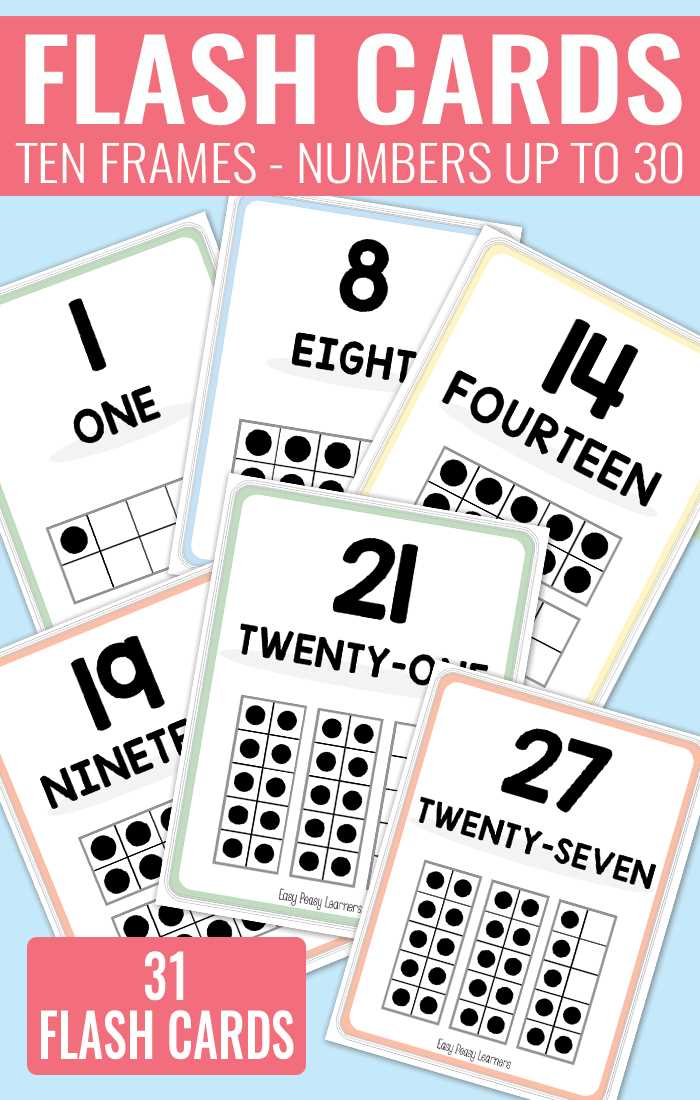
For young learners, visual aids play a crucial role in understanding basic counting and arithmetic. A simple yet effective tool to develop number recognition and addition skills is a grid-based chart with spaces to represent objects or numbers. These charts help children see quantities clearly and support the development of early math concepts.
Choosing the Right Tool: When selecting a grid for teaching counting, ensure it has clear divisions that allow students to track individual units. A chart with ten boxes in a row is particularly helpful for teaching numbers up to ten. Each space can represent an object, and children can physically mark or color each box to count the items. This activity strengthens both number sense and fine motor skills.
Customizing for Different Skills: Start with simple activities like filling in each box one by one to count objects, then progress to exercises involving basic addition or subtraction. You can adjust the grid by adding more rows or columns, depending on the child’s progress. This flexibility helps maintain engagement while reinforcing foundational skills.
Printable Ten Frame Guide
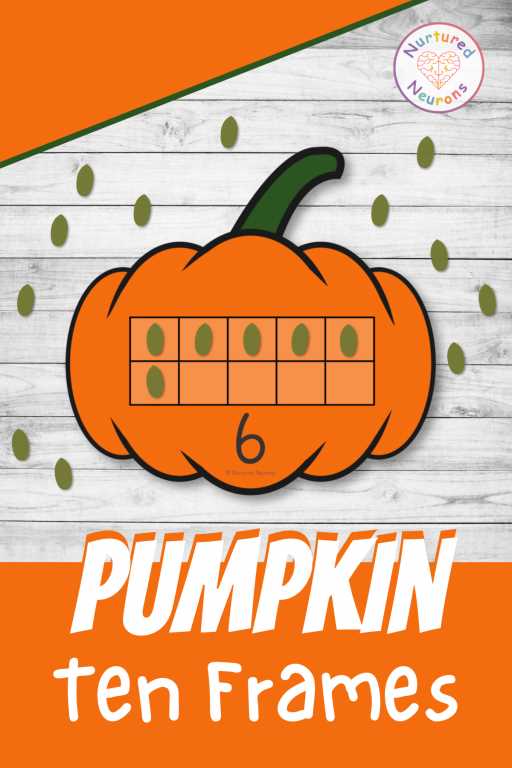
To introduce counting and simple arithmetic to young learners, use a grid with 10 spaces in each row. This structure helps children visually associate numbers with physical objects. For example, place counters or stickers in each space to represent values. Begin with exercises where children count objects by filling the grid one by one, progressing to more complex activities like addition and subtraction as they grow more comfortable.
Consider starting with a basic layout featuring blank boxes that children can fill with markers, stickers, or drawings. This tactile engagement aids in reinforcing the concepts of number order and quantity recognition. For variety, adjust the layout’s color or add patterns to make it visually engaging without distracting from the activity’s purpose.
If your goal is to expand their skills beyond basic counting, add additional rows or customize the layout with a different number of boxes per row. This adaptability ensures that the activity grows alongside the child’s ability to grasp larger numbers. You can also introduce concepts like grouping and comparison by adding visual prompts, such as dividing sections or highlighting rows with different colors.
To reinforce learning, try different themes for each grid. For example, use animal stickers or fruit illustrations to represent numbers. This keeps the exercises fresh and makes learning more enjoyable. The ability to integrate a variety of tools and layouts ensures that each session remains engaging and effective in building a strong mathematical foundation.
How to Use Printable Ten Frames for Early Math Skills
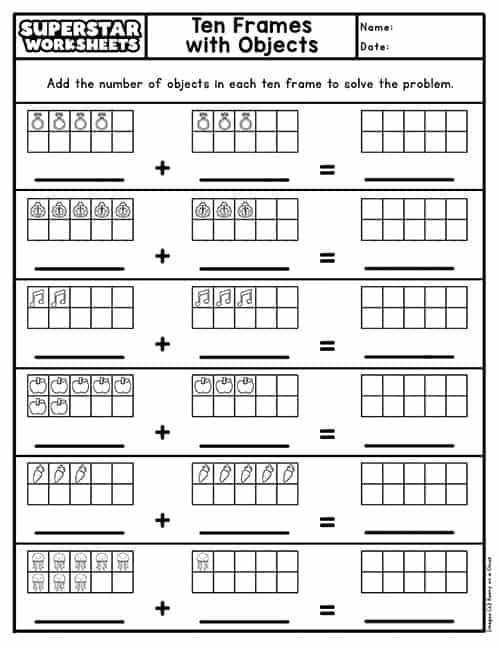
One of the most effective ways to introduce young learners to basic arithmetic is through visual tools that represent quantities. A simple grid with ten boxes in each row offers a clear visual aid to help children grasp counting, addition, and subtraction concepts. Start with a grid that is empty or has a few objects placed inside the boxes. This allows children to physically engage with the material, filling in the boxes one by one as they count.
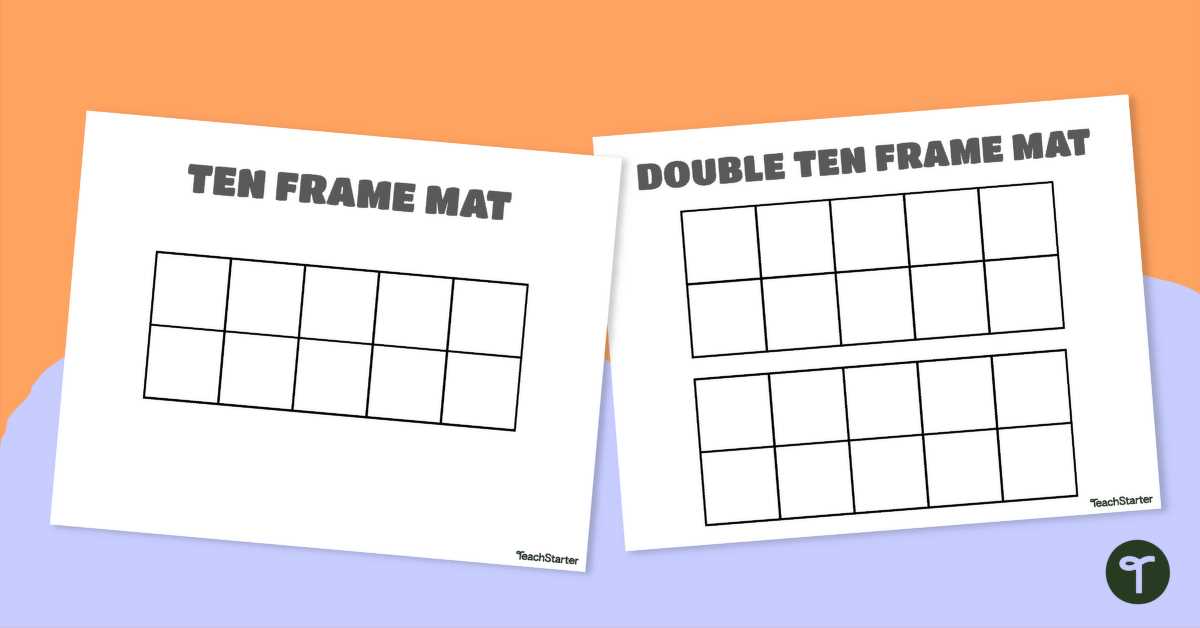
Begin by practicing counting from 1 to 10. Ask the child to place counters, such as buttons or coins, in each box. As the child places an item in each space, encourage them to count aloud. This reinforces the concept of number order while also providing a tactile learning experience. Gradually increase the complexity by asking the child to count objects in groups or to skip count by twos or fives.
For addition, start by asking the child to fill half of the grid with counters and then add more counters into the remaining boxes. This helps children understand how numbers combine to make larger totals. For subtraction, you can reverse the process, asking them to start with a full grid and then remove counters one by one, visually illustrating the concept of taking away.
For variation, you can use grids with different layouts, such as varying the number of rows or adding color-coded sections. This helps keep the activity engaging and introduces new challenges as children advance in their learning. You might also consider using themed images, such as animals or shapes, to make counting more fun and memorable.
- Start with simple counting tasks to build confidence.
- Progress to addition and subtraction exercises as the child gains mastery.
- Introduce themed grids to maintain interest and cater to different learning styles.
- Customize the grid by adding more rows or columns to challenge older learners.