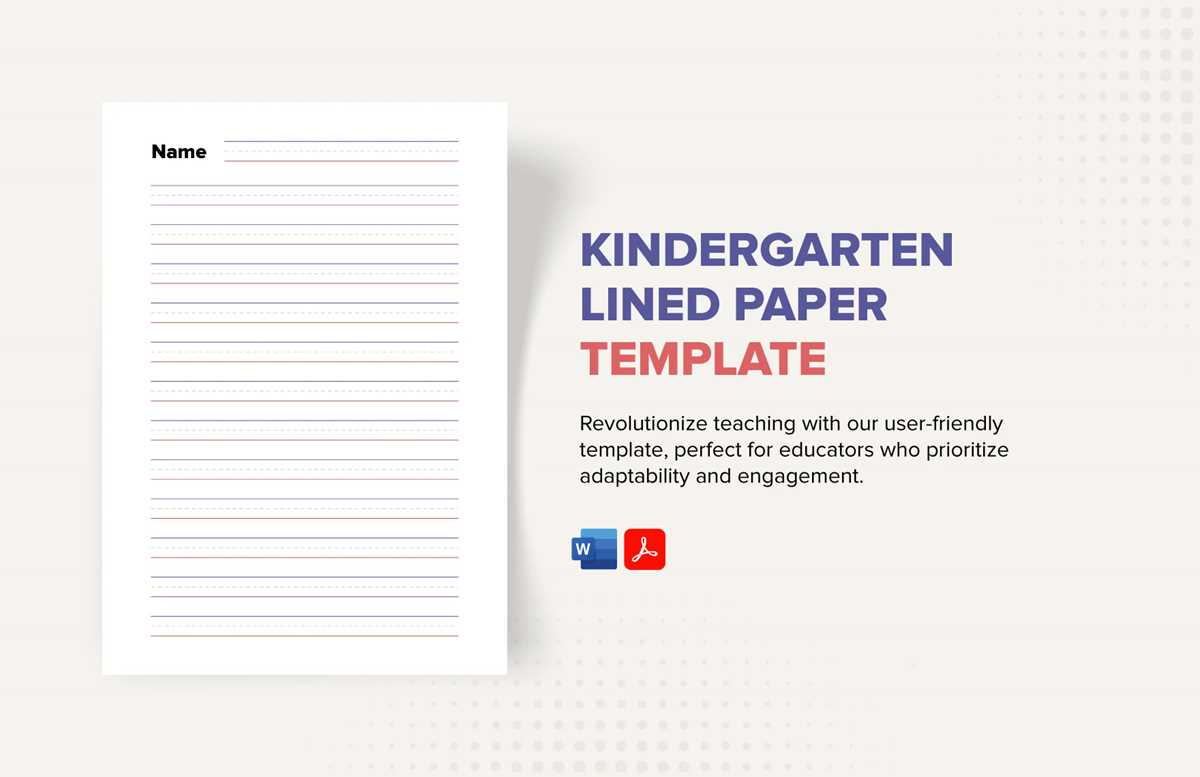
Choose the right format for your child’s handwriting practice by adjusting the line height and spacing. Use larger spaces to encourage clearer letters and proper letter formation. For younger children, wide spacing allows them to move freely without crowding, which can help develop neatness in their writing. Narrower spaces may be useful as they become more comfortable with forming letters.
Ensure that the lines are bold and easy to follow. Clear guidelines for each line can help your child stay within the appropriate writing area and improve their ability to write legibly. Avoid overly thin lines, as they may be difficult for little hands to follow, especially during the early stages of writing development.
Once you print the sheets, provide a mix of activities such as tracing, free writing, and copy work to build both motor skills and confidence in writing. Include both upper and lowercase letters as well as numbers to engage a broader range of writing activities. Change up the format regularly to keep the practice engaging and avoid monotony.
Lined Paper Printable for Kindergarten
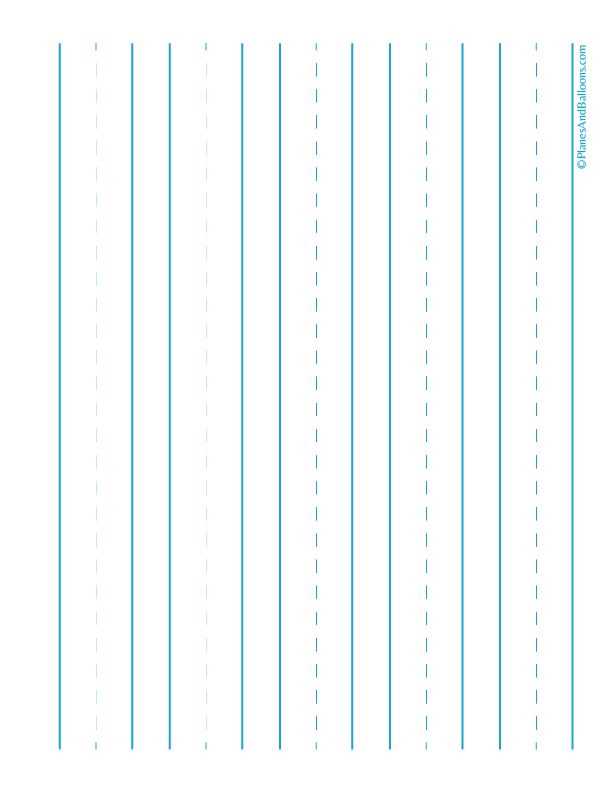
For young learners, using sheets with adequate spacing helps them form letters correctly. A common mistake is using too narrow lines, which can lead to sloppy handwriting. Opt for wider lines at the beginning to allow more room for letter formation and reduce frustration.
Make sure the guidelines on each sheet are thick enough to be easily visible, but not too bold to distract. Thin lines can cause difficulty in aligning letters, making it harder for children to stay within the borders. Clear and visible lines offer a sense of control and boost confidence during practice.
If you’re printing multiple sheets, vary the size of the lines to match the child’s progress. Larger spaces help with big, deliberate strokes in the early stages, while smaller spaces can be used as they become more precise. This gradual reduction will encourage better handwriting skills over time.
Also, try including a line spacing option for numbers and shapes. It gives children a chance to practice more than just letters. Many young learners benefit from tracing and writing simple shapes or digits in addition to letters, which helps develop fine motor control and writing coordination.
Don’t forget to provide ample opportunities for tracing activities. This lets children get used to writing on a fixed path, and reinforces the act of controlling a pencil. Tracing letters and numbers on printed sheets before moving on to free writing can help ease the transition from pre-writing to actual writing.
Incorporating both uppercase and lowercase letters in the same set of sheets will keep the practice varied. As children grow more comfortable with capital letters, introducing lowercase letters early on will help them develop a balanced handwriting style.
Lastly, remember to rotate between different activities on the sheets, such as copying words, forming sentences, or even drawing simple pictures. This keeps the writing process engaging and helps children associate writing with fun learning tasks, making it less tedious.
How to Choose the Right Line Spacing for Kindergarten Students
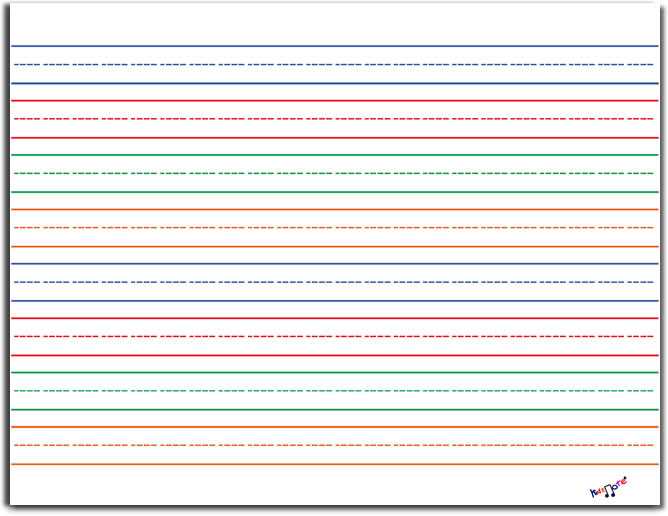
For young learners, choose wider spacing to allow enough room for letter formation. If the lines are too close together, children may struggle to keep their letters clear and distinct. A common starting point is 1-inch spacing, which provides ample room for both tall and small letters without overcrowding.
As children gain confidence, gradually reduce the spacing. A smaller gap of around 0.75 inches is ideal for learners who have begun mastering basic strokes. This helps with precision and control, encouraging better handwriting alignment as their skills improve.
- 1-inch spacing for beginners or children with less experience.
- 0.75-inch spacing for children who are ready to refine their handwriting.
- Consider using even smaller spacing for advanced students or for practicing cursive writing.