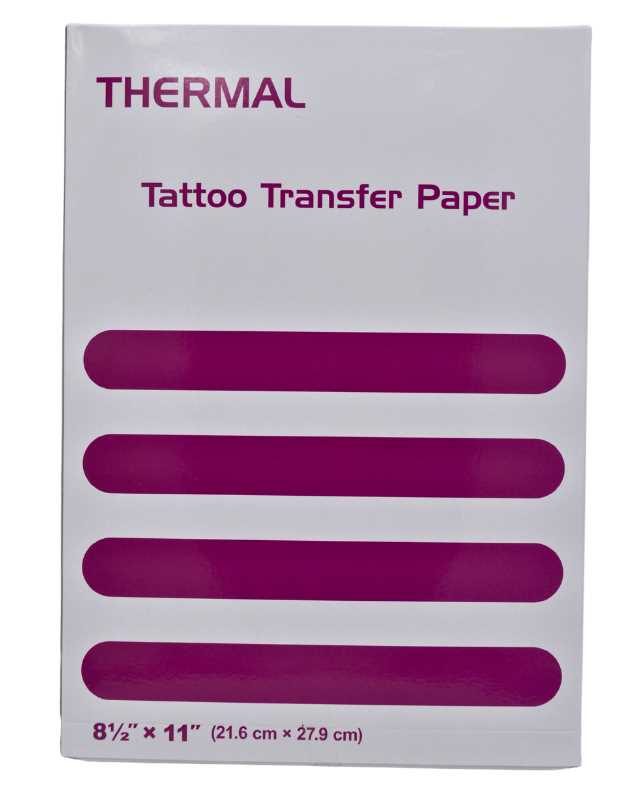
For those who enjoy DIY body art, using a high-quality transfer medium allows you to create intricate designs directly onto the skin. The process is simple and requires only a few materials to bring any graphic or image to life. Whether you want to create temporary designs for a special occasion or just experiment with new styles, using this method provides a fun and versatile solution.
First, select a design you wish to apply. You can create your own or find an existing one online. Many online sources offer a variety of designs that you can download and adjust as needed. After preparing your chosen design, print it on specialized sheets designed to transfer ink onto the skin. These sheets come in various types, so choose the one that fits your printer model and intended use.
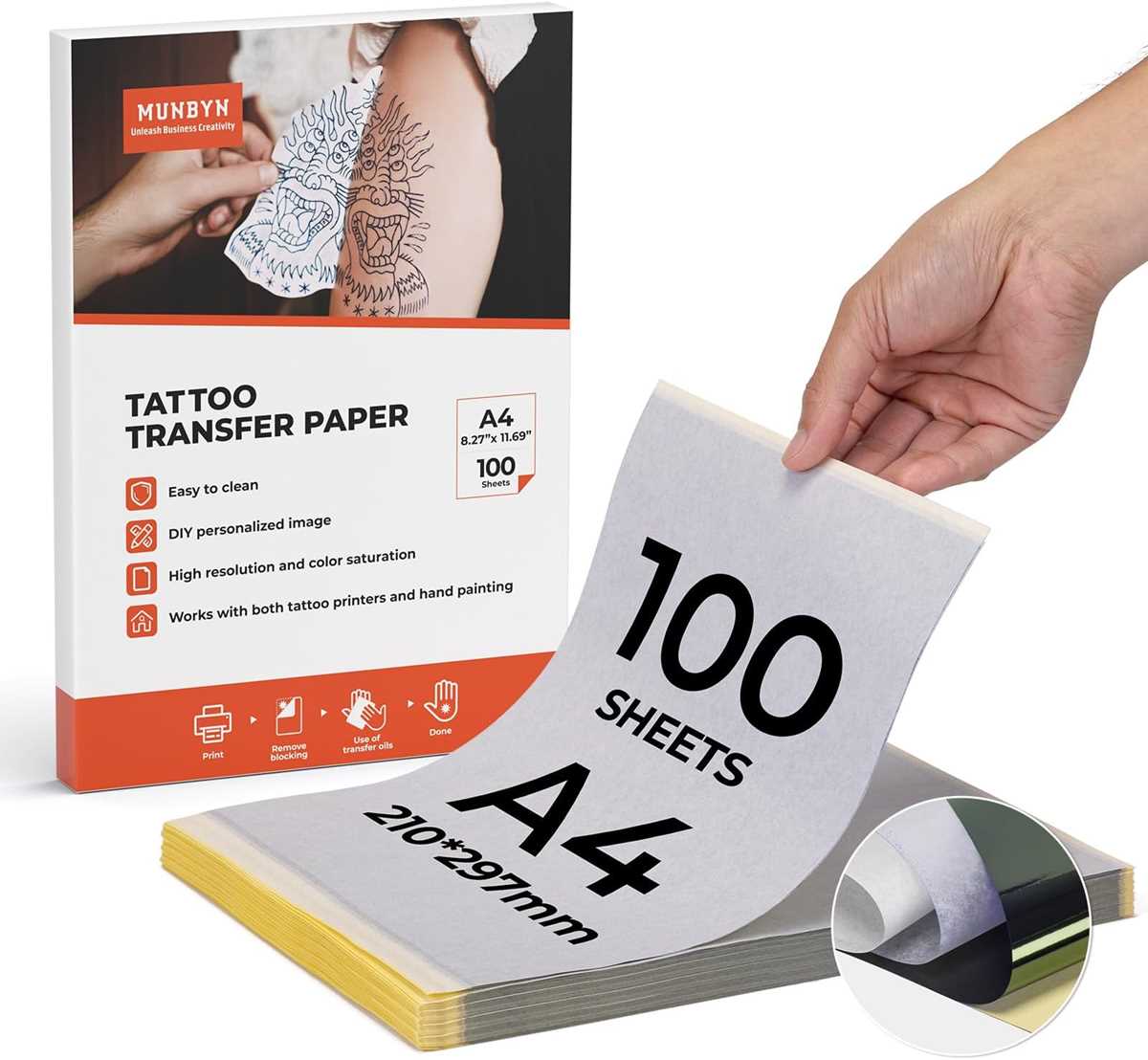
Once the image is printed, carefully apply it to the skin using a damp cloth to transfer the design. This technique provides an easy, mess-free way to create temporary body art that lasts for days without any pain or permanent effects. The key is ensuring proper application and choosing the right materials, which will help the design stay clear and vibrant throughout wear.
Using Custom Transfer Sheets for Body Art Designs
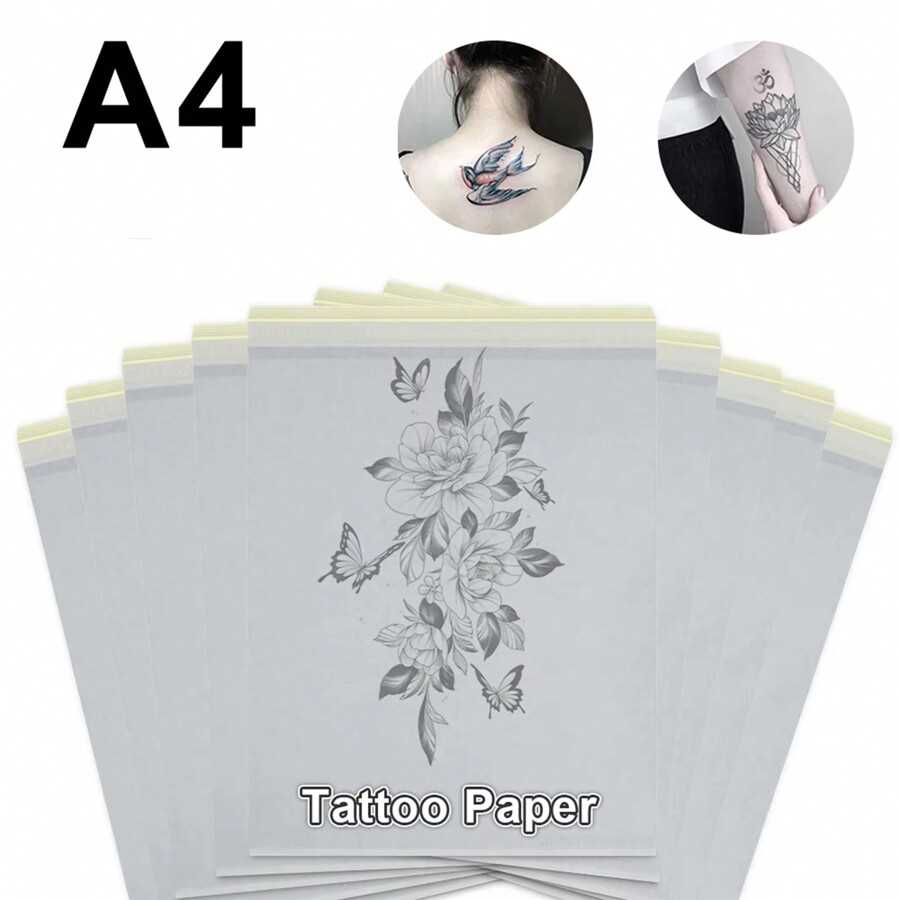
Start by selecting high-quality transfer sheets that are compatible with your printer. These sheets come in various types, including those designed for inkjet or laser printers. Check the product details to ensure the material suits your printer model, as different types of transfer media can require specific printers for optimal results.
Once you’ve acquired the transfer sheets, choose your design. You can create your own artwork or use a pre-made template. Designs should be high-resolution for the best clarity when applied. Make sure the design fits within the size limits of the transfer medium to avoid issues with scaling.
Before printing, adjust your design if necessary. Some programs allow you to flip or resize images, which is particularly useful for symmetrical designs. Ensure that the layout is properly positioned on the transfer sheet, leaving enough space around the edges to avoid printing errors.
Next, load the transfer sheet into your printer and print the design. Be sure to follow the manufacturer’s instructions on paper orientation to avoid wasting materials. It’s often best to perform a test print on regular paper first to ensure the design fits as expected and the colors appear correctly.
After printing, allow the design to dry completely if necessary. Some transfer materials require a drying time to ensure the ink sets properly. Once dry, carefully cut out the design, making sure to leave as little excess around the edges as possible. This will make it easier to apply and provide a cleaner final look.
To apply the design, clean the skin thoroughly to remove any oils or dirt that could interfere with the transfer process. Place the design onto the desired area of skin and press it firmly. Then, use a damp cloth to moisten the back of the transfer paper, allowing the design to transfer easily to the skin.
Finally, remove the backing paper carefully and allow the design to set. It’s recommended to avoid touching the design for several minutes to ensure it adheres well. Depending on the material used, the design can last for a few days before fading, making this an excellent option for temporary body art.
How to Choose the Right Printable Tattoo Transfer Paper
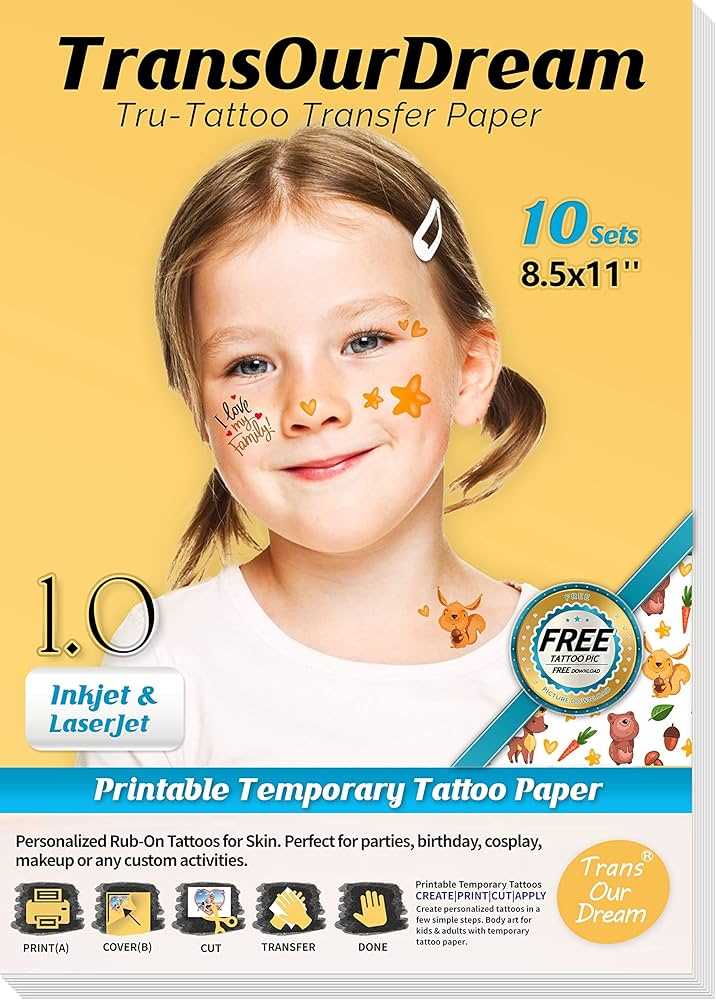
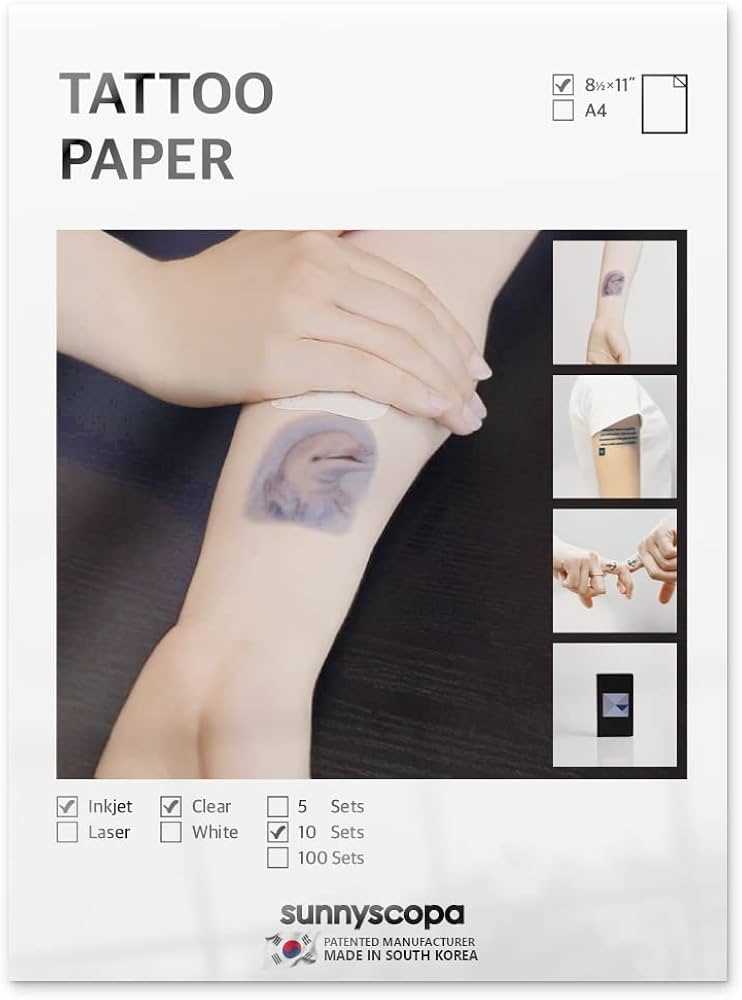
Begin by checking the compatibility of the transfer medium with your printer type. There are specific sheets designed for inkjet printers, while others are made for laser printers. Always check the manufacturer’s instructions to ensure the material will work with your specific printer model, as using the wrong paper can cause printing issues.
The next step is to determine the material type. Transfer sheets are typically available in two options: transparent or opaque. Transparent sheets are ideal for designs with simple, minimal backgrounds, while opaque sheets are better for darker designs or intricate images. Consider the type of design you are printing to ensure it appears crisp and clear when transferred.
Another important factor is the size of the transfer sheets. They come in a variety of sizes, including standard letter size (8.5” x 11”) and A4. Choose a size that matches the dimensions of your design to avoid cutting and resizing, which can distort the image. If you plan to print larger designs, look for specialty transfer sheets that accommodate custom sizes.
The durability of the material is another consideration. Some transfer sheets are designed for longer-lasting designs, while others are meant for short-term use. If you need a temporary design that will wash off easily, opt for a sheet intended for short-term applications. For more long-lasting results, choose a medium that can hold up against wear and tear.
Make sure to evaluate the paper’s adhesion qualities. High-quality transfer sheets will adhere well to the skin without peeling or fading too quickly. Low-quality sheets may leave residue or not adhere as smoothly. Reading product reviews can help gauge the reliability of the material in terms of longevity and smooth application.
Check the finish options available for the transfer material. Some sheets have a glossy finish, while others are matte. Choose the finish based on your desired effect. A glossy finish will give the design a shiny, vibrant look, while a matte finish provides a more subtle, natural appearance.
Consider the price and quantity of sheets in the package. If you’re only making a few designs, a small pack may be sufficient. However, if you plan to experiment with multiple designs or create several applications, buying a larger pack might be more cost-effective. Be sure to compare prices to get the best deal without sacrificing quality.
Finally, check for any additional features such as easy peel-off backing or multi-use sheets. Some brands offer papers that are easier to work with, particularly when it comes to removing the backing without damaging the design. Features like these can make the process quicker and less frustrating.