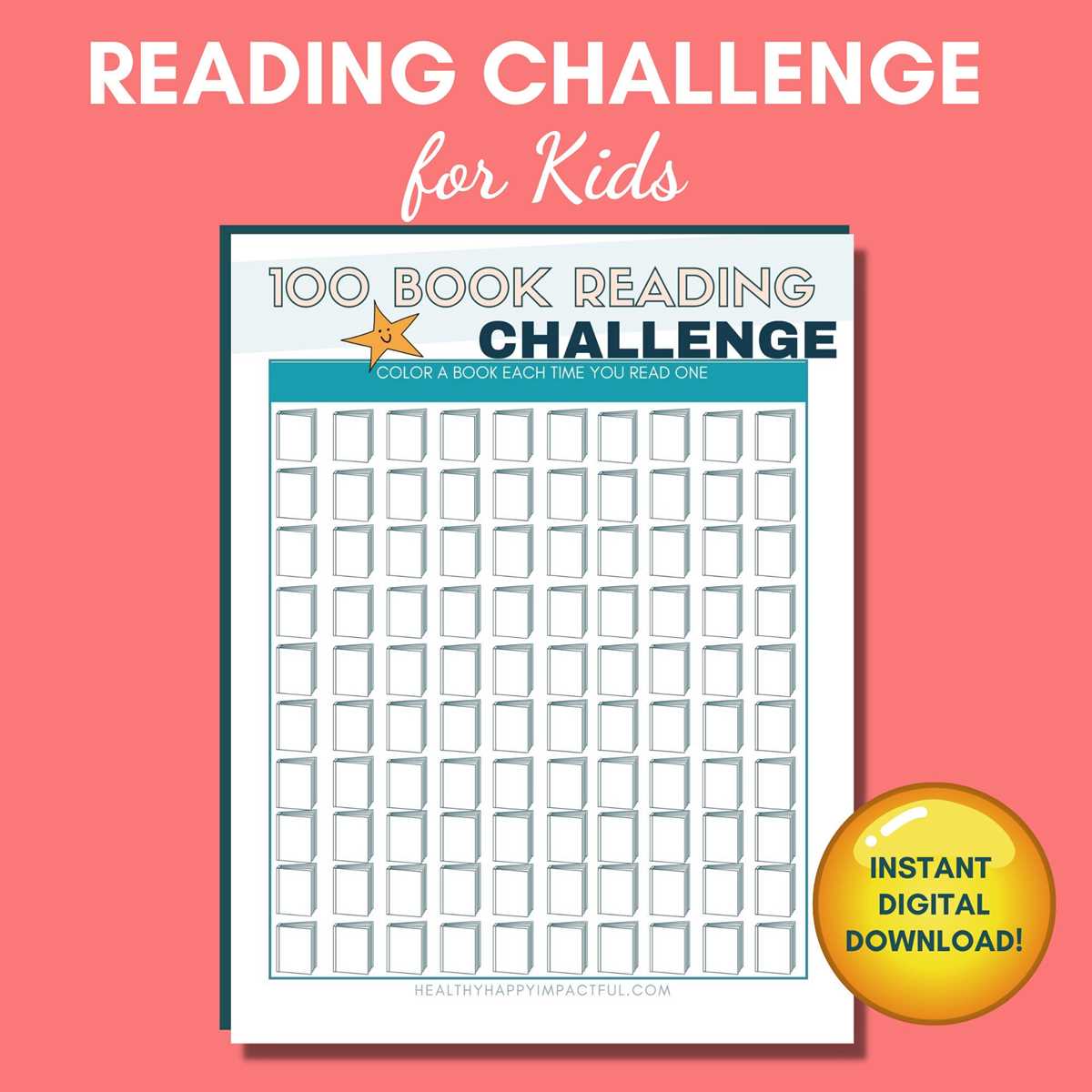
Set clear targets for the number of novels, essays, or short stories you want to complete this year. Use a structured sheet to log each title, author, and completion date. Tracking progress visually can increase accountability and make it easier to identify gaps in your reading habits.
Choose a format that suits your daily routine. Some prefer a weekly checklist, while others benefit from a monthly overview with space to note reflections or favorite passages. Digital spreadsheets and printable charts both work, depending on whether you like writing by hand or using a device.
Include measurable milestones such as finishing ten items per month or exploring a specific genre every quarter. Marking achievements with symbols or colors adds motivation and helps maintain consistency throughout the year.
Regularly review your list to adjust priorities. If certain genres or authors become less appealing, replace them with titles that reignite interest. A flexible but structured tracker ensures your reading goals remain engaging and manageable.
100 Book Challenge Printable Guide
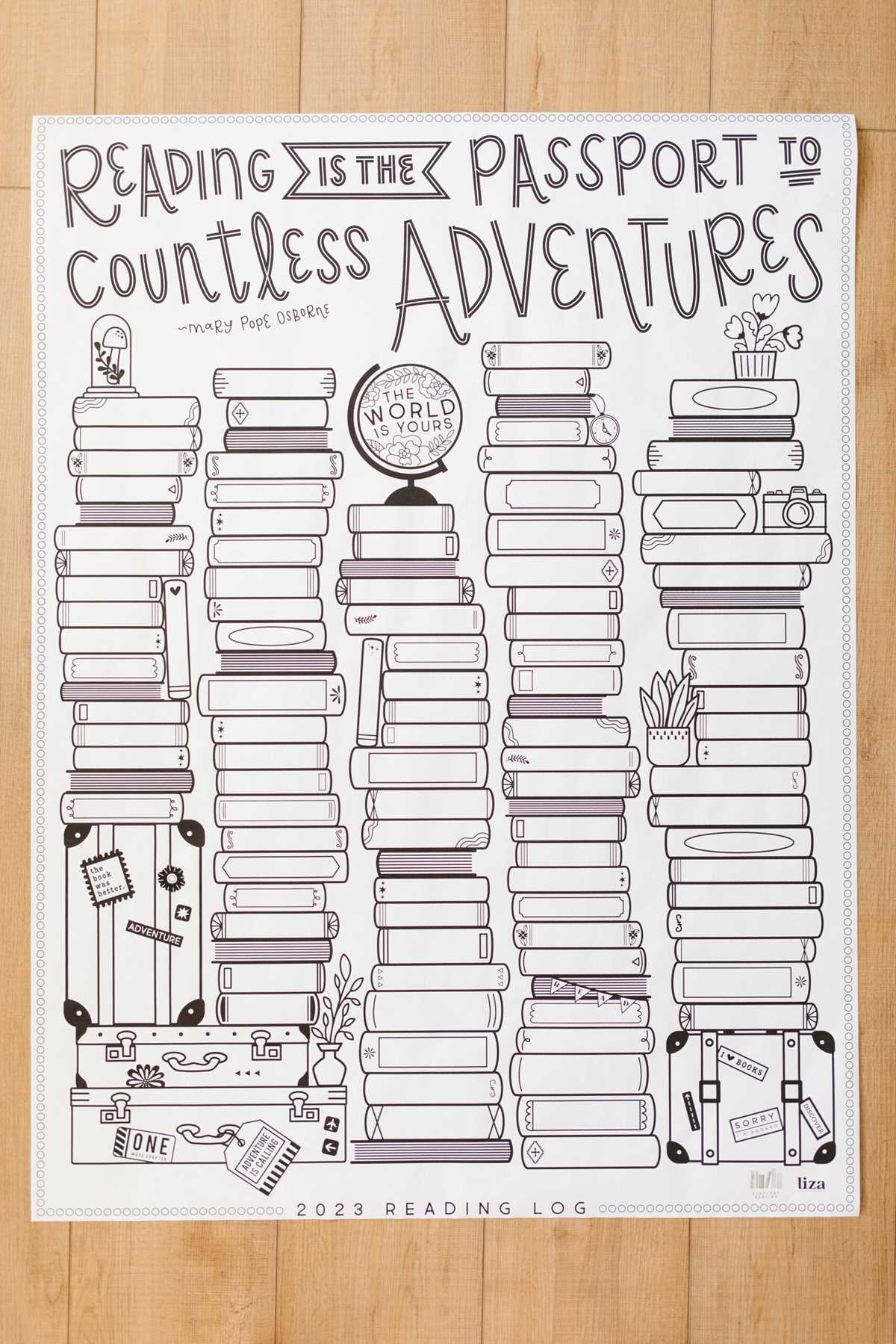
To get started, create a visual layout for your reading tracker. This can be a simple table, with columns for the title, author, genre, and completion date. Make sure the design is clear and easy to follow, so you can quickly fill it out without hassle.
Choose a tracker that matches your preferred reading style. Some people prefer a monthly breakdown, while others opt for a more flexible approach with just one long list. Decide whether you want to track just the number of items read or also include additional details like a brief review or rating for each one.
Customize the tracker to suit your personal goals. You could add specific categories like “fiction,” “non-fiction,” or “historical novels” to ensure a variety of genres throughout the year. This is particularly helpful if you’re looking to explore new types of literature or challenge yourself to read outside of your usual preferences.
For motivation, try adding a reward system. For example, you might set a goal to reward yourself after reading a certain number of books. These rewards can be small treats or something bigger, like buying a new book or taking a day off to relax.
As you progress, keep track of your habits. Noting the pace at which you finish a novel or the times of day when you’re most productive can help you adjust your reading plan. If you find yourself slowing down, it’s a good idea to re-evaluate your goals and make sure they remain realistic and inspiring.
Lastly, make your tracker visually appealing. Add colors, symbols, or even space for personal reflections on each entry. Aesthetically pleasing trackers are not only more fun to use but can also make your reading experience feel more rewarding.
How to Create Your Own 100 Book Challenge Printable
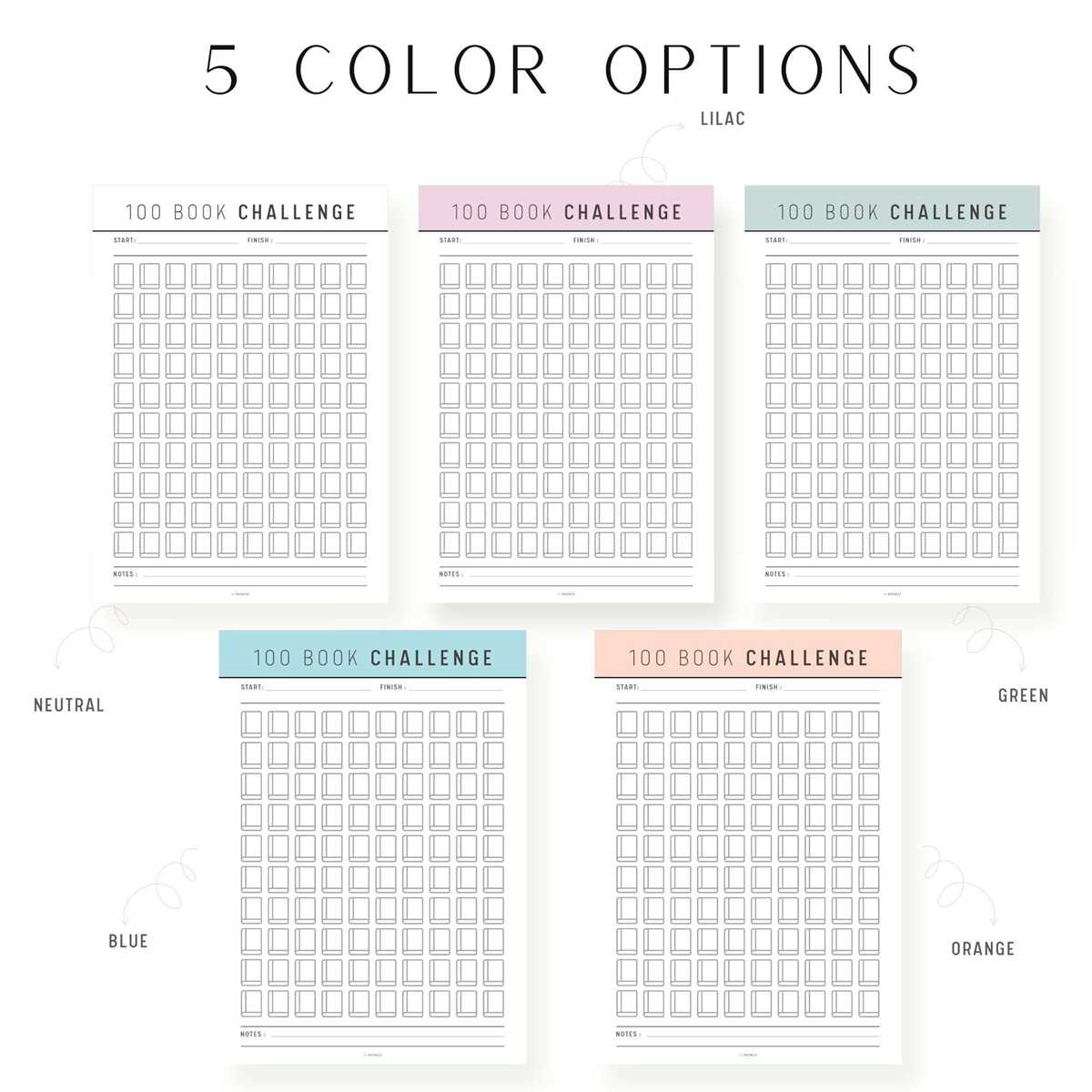
Start by deciding the structure of your tracker. A simple design, such as a table, can include columns for the title, author, genre, and date completed. This format is easy to update and visually organized. You may also add a column for personal ratings or short reviews to keep track of your thoughts on each title.
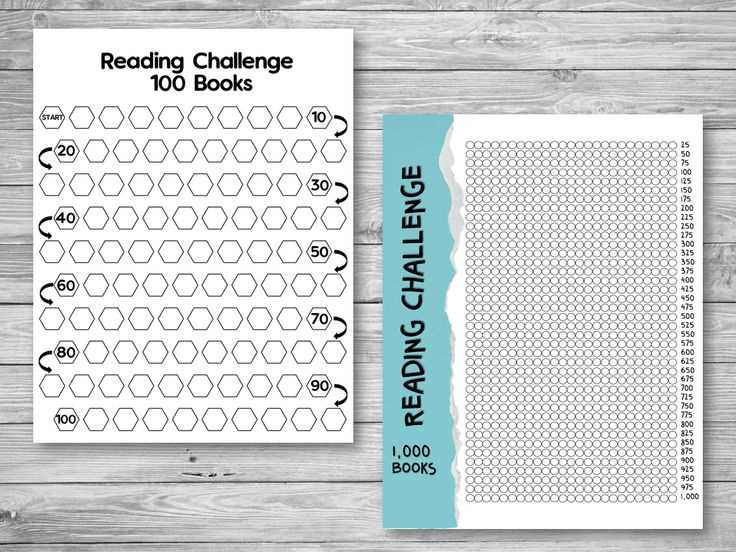
To add more flexibility, consider breaking the list into smaller sections. For example, create a row for each set of ten books. This allows you to focus on smaller goals while still tracking the overall progress. You could also incorporate visual elements like checkboxes or stars to mark completed books.
Next, personalize your layout by including categories that reflect your reading interests. Create sections for different genres, such as “mystery,” “fantasy,” “non-fiction,” or “historical fiction.” This way, you’ll ensure a balanced reading experience, and it will be easier to see which areas you’ve explored the most or least.
If you prefer a more dynamic approach, leave space for additional comments. Each time you finish a title, jot down a brief reflection or thoughts about the book. This feature can make the experience feel more rewarding as you look back on your progress and remember the stories you’ve enjoyed.
Consider using color-coding to enhance the tracker. For instance, use different shades for each genre, or assign specific colors to different milestones. This will make the tracker more visually appealing and add another layer of motivation as you watch the colors fill up throughout the year.
For ease of use, design your tracker in a way that is both digital and printable. This way, you can access it from any device, but still have the option to print a physical copy. Digital versions may allow you to update your progress on the go, while printed versions offer a tangible way to engage with your goals.
Finally, ensure the tracker is easily accessible. Keep it in a place where you can see it regularly, like on your desk, or set reminders on your phone. The more you interact with the tracker, the more motivated you’ll stay to meet your goals.