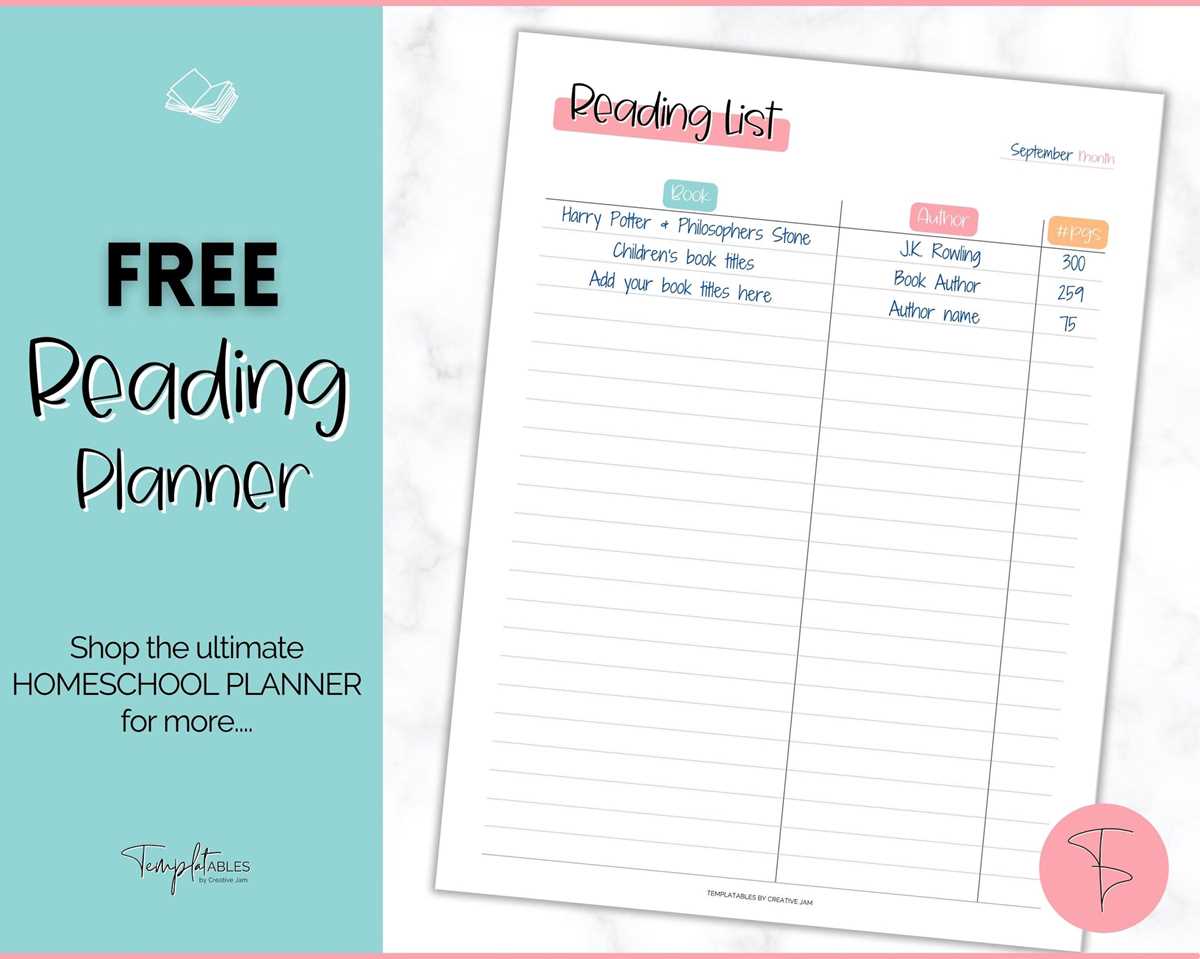
Tracking progress is one of the most motivating ways to keep kids engaged with books over the break. A simple way to do this is by using a custom tracker that helps measure the number of pages, time spent reading, or specific book titles. This can encourage consistent participation and boost their excitement as they visually see how much they’ve accomplished.
There are many ways to create an effective tracker that matches the age and interests of children. Whether you prefer a simple chart, a fun-filled calendar with themed stickers, or a checklist with spaces for favorite quotes and book summaries, finding a template that works can help develop strong reading habits. Start by selecting one that incorporates a space for recording the book title, author, and the time spent or pages completed.
For parents looking to involve their kids in the planning, making it a fun activity can increase motivation. Let children pick the books they want to read and have them update the tracker themselves. This simple act of writing down their progress will not only give them a sense of accomplishment but also encourage them to stick to their reading goals.
How to Organize a Reading Tracker for Kids
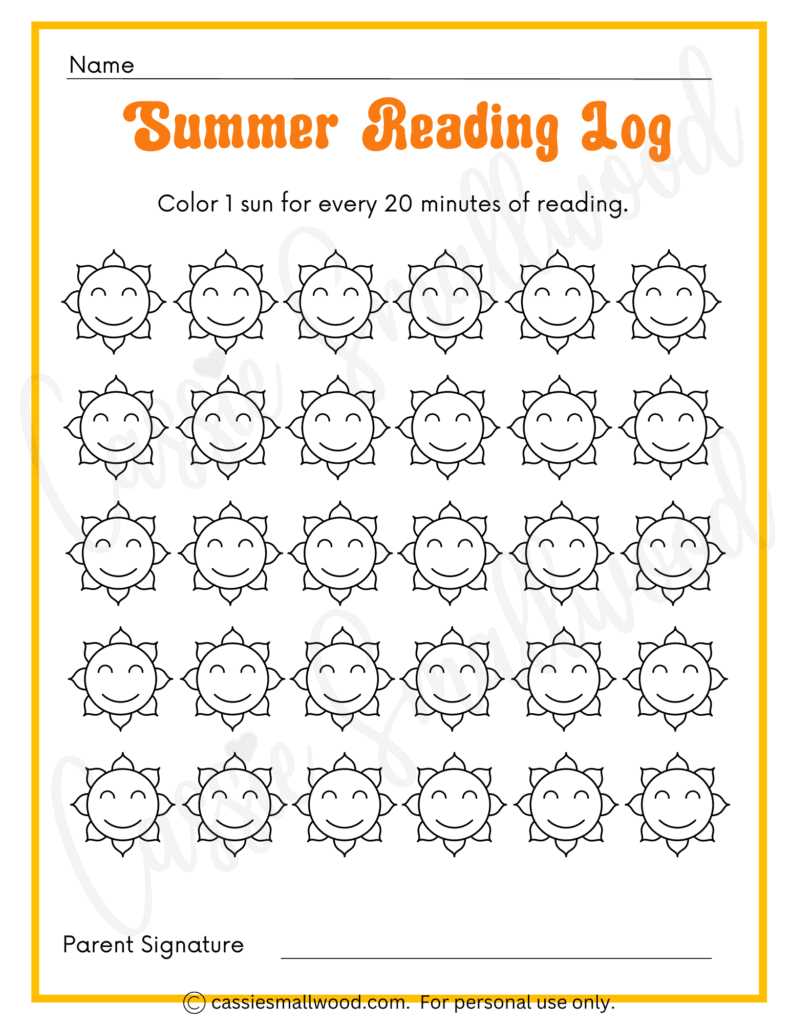
Start by selecting a format that best fits the child’s age and interests. For younger children, a simple table with columns for the title, author, and pages read can work well. Older children may enjoy a more detailed tracker that includes spaces for notes or summaries of the stories they’ve read. Keep the design engaging by adding colors, images, or stickers to make it visually appealing.
Make the process interactive by allowing the child to personalize the tracker. For example, they can decorate their tracker with drawings or place a sticker next to each completed book. Setting weekly goals or challenges can add an element of fun, motivating them to read more frequently and stay on track with their reading targets.
Finally, use the completed tracker as a way to celebrate progress. When the child reaches a milestone, reward them with a small treat, extra reading time, or a fun activity. This not only reinforces their achievement but also makes reading a more enjoyable and rewarding experience.
How to Choose the Right Summer Reading Tracker for Kids
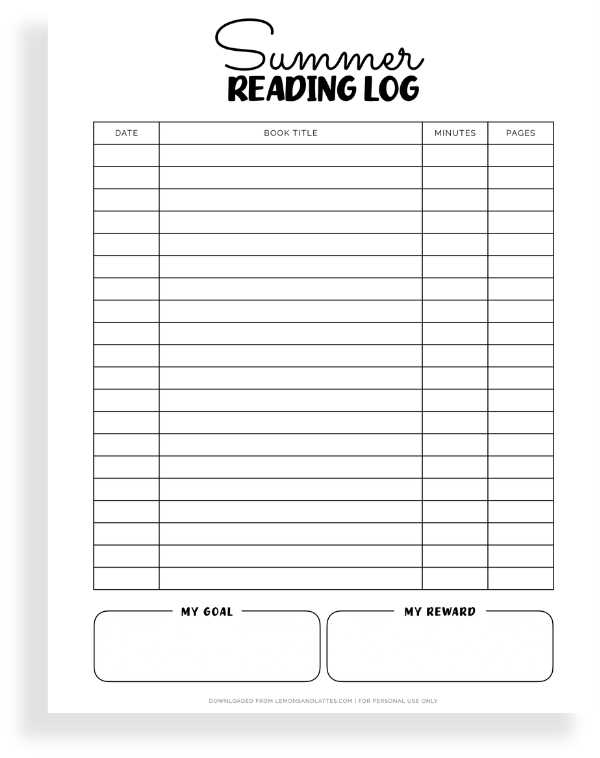
When selecting a tracker, consider the child’s age and reading level. Younger readers may benefit from a simpler design with just spaces for the title and date, while older children can handle more detailed trackers with sections for book summaries or thoughts. Keep it age-appropriate to ensure the child stays engaged.
Look for a design that is visually appealing to the child. Bright colors, fun fonts, and spaces for stickers or drawings can make the process more enjoyable. Personalization features, like allowing the child to add their own stickers or artwork, can increase excitement about the activity.
Choose a format that suits your reading goals. If the objective is to track the number of books read, a simple list may suffice. However, if you’re aiming for specific milestones like pages read or time spent, a tracker with progress bars or checkboxes may be more useful.
Consider whether the tracker offers incentives. Some designs include reward systems where children earn stars or badges as they reach reading milestones. This helps motivate the child and adds a sense of accomplishment to the process.
If you want to include a social aspect, look for a tracker that allows sharing progress with others, such as friends, teachers, or family. Some trackers offer printable certificates or recognition sections for when the child completes their reading goals.
Lastly, make sure the tracker is easy to update. Simple formats that require minimal writing or effort are best for children who are just starting with independent reading. If they need to write summaries or reviews, ensure that the sections are not too long or demanding for their skill level.