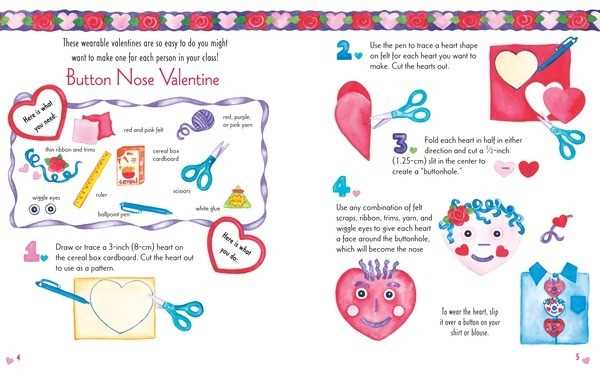
Download themed templates with hearts, cards, and decorative elements and prepare all materials before inviting children to the table. Use thick A4 paper or light cardstock to ensure cutouts hold their shape. Provide safety scissors, glue sticks, colored pencils, and markers. Pre-cut smaller details such as tiny hearts or letters for younger participants to prevent frustration and save time.
Choose designs based on age and skill level. Preschoolers can work with large heart outlines and simple folding cards, while older students can assemble layered greeting cards with envelopes and tags. Encourage writing short messages inside the cards to combine art practice with handwriting development.
Organize the workspace into clear steps. First coloring, then cutting, then assembling and decorating with stickers or glitter glue. Limiting each stage to 10–15 minutes keeps attention focused and reduces mess. Display finished projects on a wall or bulletin board to create a festive atmosphere and reinforce a sense of accomplishment.
Valentines Day Craft Ideas for Kids with Ready to Print Templates
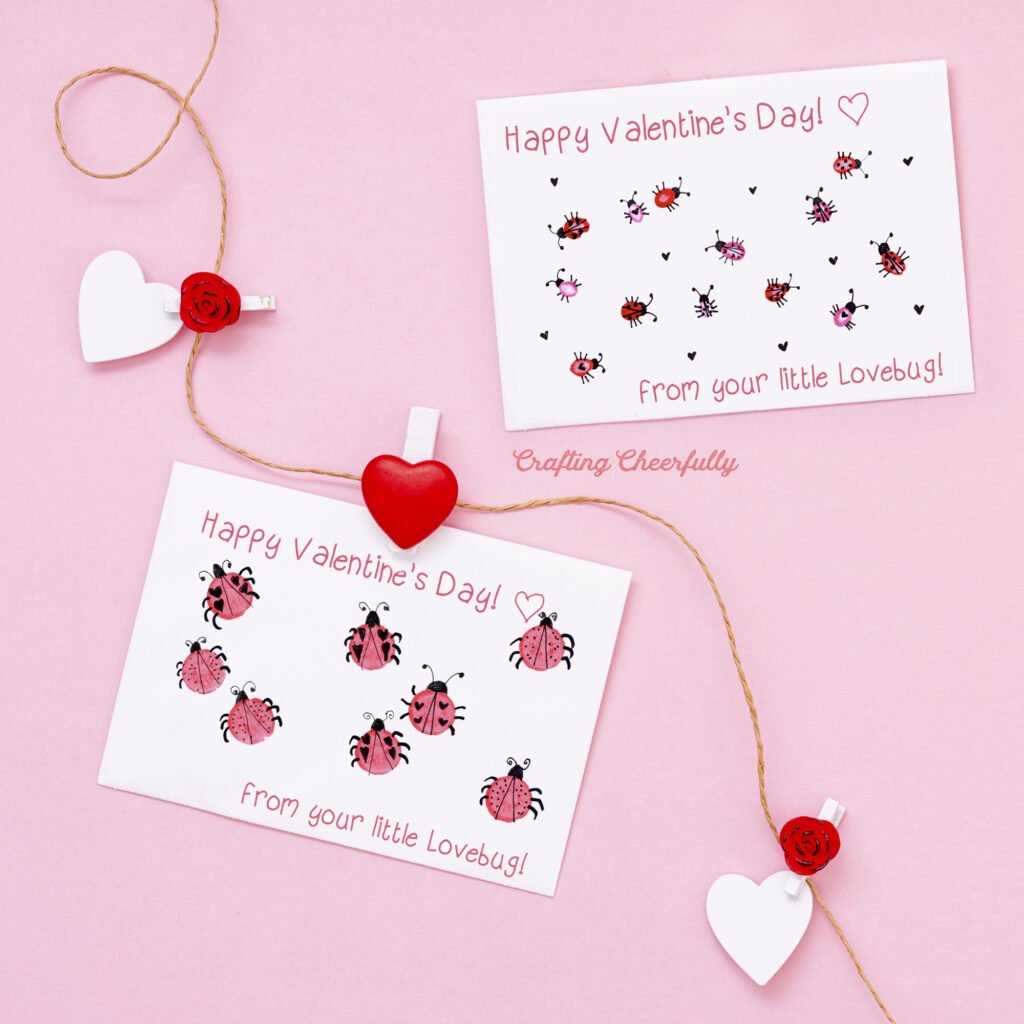
Select heart themed card layouts and decorative sheets that can be downloaded and printed on thick paper. Use cardstock between 160–200 gsm so finished pieces remain sturdy. Prepare glue sticks, child safe scissors, markers, and adhesive gems before beginning.
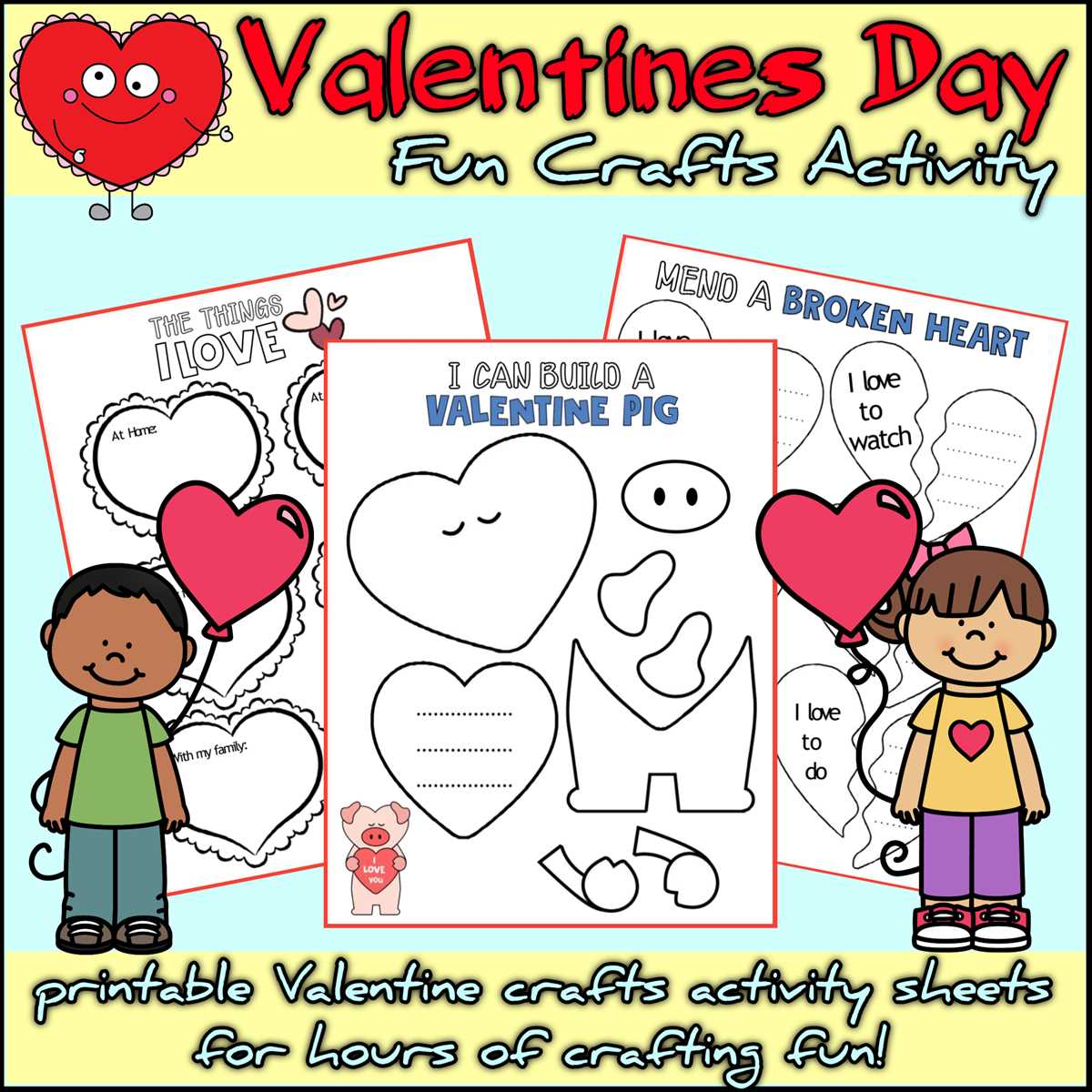
Create folded greeting cards with pre drawn heart outlines and message boxes. Children can color the front, cut along marked edges, and attach layered shapes to add dimension. Leave a blank interior panel to encourage short handwritten notes of 1–3 sentences.
Use cut and assemble templates to build hanging decorations such as garlands made from repeating heart shapes. Print multiple copies, let participants color each piece differently, then connect them with string or yarn spaced 2–3 cm apart to create balanced spacing.
Prepare simple envelope patterns that match the card size. After folding along solid guide marks, secure edges with glue and allow drying time of five minutes before inserting finished greetings. This adds a practical component and teaches careful folding skills.
Offer themed bookmarks with romantic motifs and positive phrases. After coloring, laminate them with clear adhesive film or wide tape to increase durability. Punch a hole at the top and tie a ribbon to complete the piece.
Display completed projects on a classroom board or create a small exchange corner where children can share their handmade greetings. Rotating tasks between coloring, cutting, assembling, and decorating keeps attention steady and reduces crowding at supply stations.
How to Choose and Print Valentines Day Templates for Different Age Groups
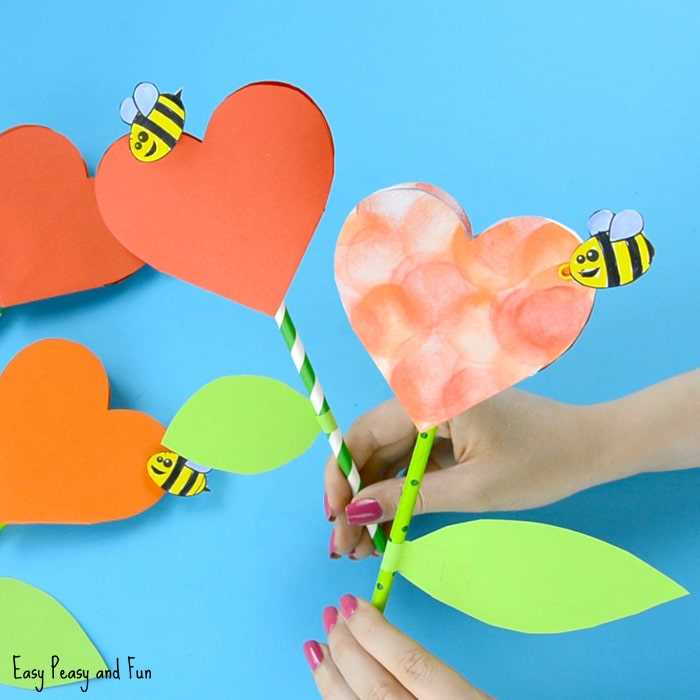
Select designs based on fine motor skills and attention span. Preschoolers need large shapes with thick outlines and minimal детали, while older children can handle layered cards, small decorative elements, and foldable envelopes. Check that cutting lines are clearly marked and avoid tiny parts under 2 cm wide for younger participants.
Adjust paper type and printer settings to match the project:
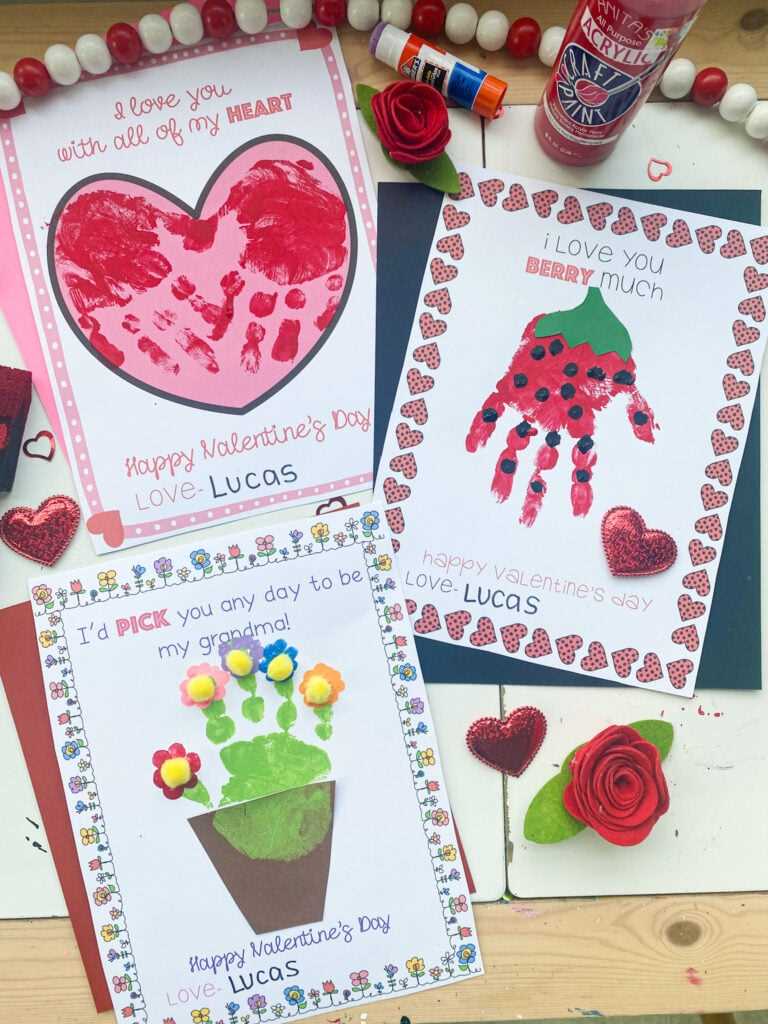
- Use 160–200 gsm cardstock for greeting cards and hanging decor
- Choose standard 80–100 gsm paper for coloring sheets
- Set printer scale to 100 percent to keep fold lines aligned
- Activate high quality mode for bold outlines that are easier to cut
Proper sizing prevents mismatched folds and unstable конструкции.
Differentiate tasks by complexity. Ages 3–5 benefit from simple coloring pages with one central heart shape. Ages 6–8 can assemble multi part cards with glued layers. Ages 9–12 can work with symmetrical folding templates, envelope patterns, and decorative borders that require precise trimming and alignment.
Test one sample copy before group use. Fold along guide marks, verify margins, and confirm that text areas leave enough writing space of at least 6–8 lines. Preparing sorted stacks by difficulty level helps distribute materials quickly and avoids confusion during the activity.