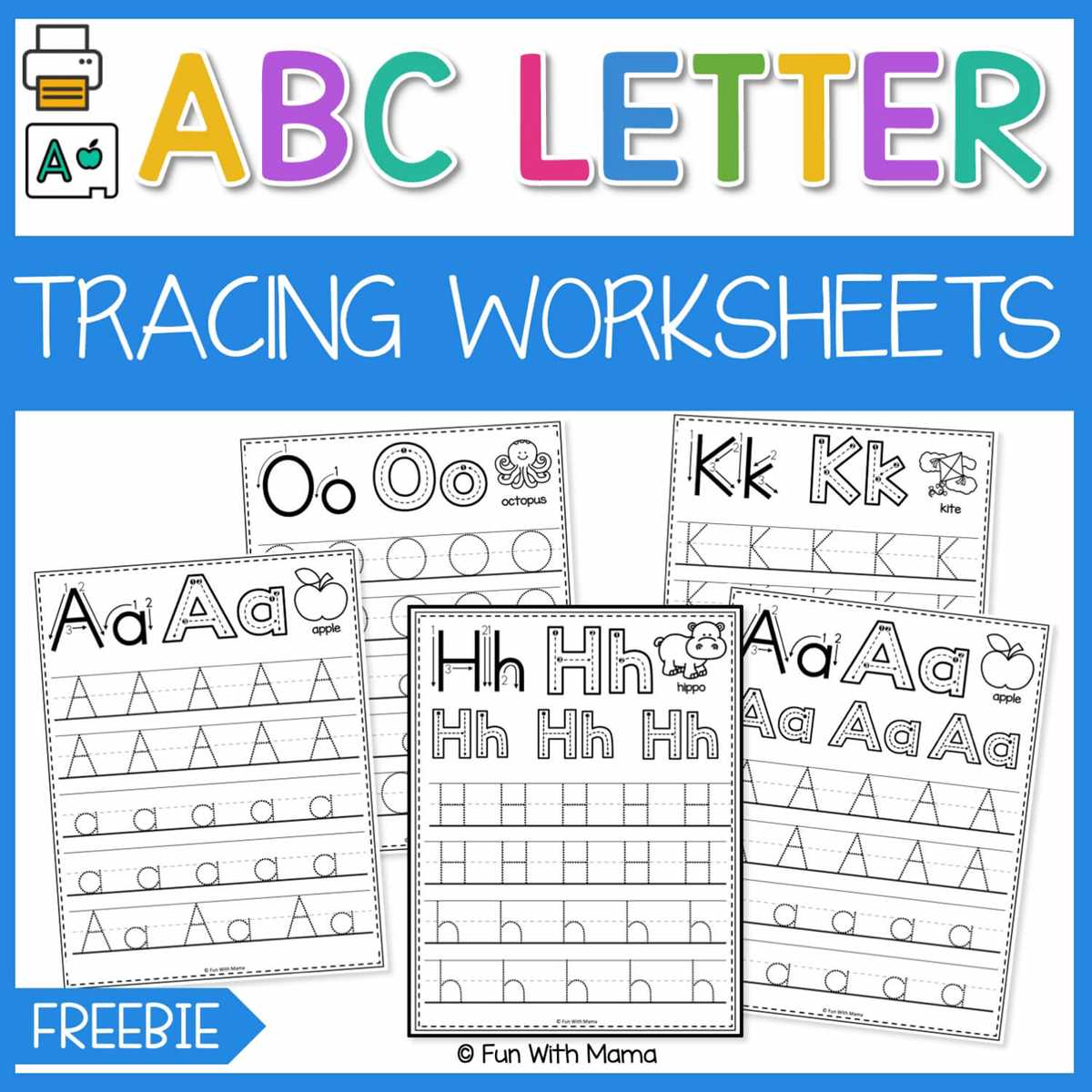
Start by choosing simple sheets that feature clear, large letters for your child to follow. These exercises help improve both letter recognition and fine motor skills. Begin with basic shapes and gradually move on to more complex letters as the child becomes more comfortable.
Make sure the writing tools are appropriate for the child’s age and skill level. Pencils with softer leads or triangular grips help kids write with more control. Avoid markers or pens that may be too thick or hard to handle at first. Encouraging proper posture while writing is also key to building good habits.
Repeat the exercises regularly but keep sessions short to maintain focus. Start with tracing a few letters each day, gradually increasing the number as your child’s skills improve. This consistent practice will help build confidence and proficiency in writing.
How to Use Letter Practice Sheets Effectively
Begin by setting a consistent routine for using these exercises. Start with just a few letters each session, focusing on proper form and consistent movement. This helps avoid frustration and ensures the child doesn’t feel overwhelmed. Once a child has mastered a letter, gradually introduce new ones, making sure they revisit earlier ones for reinforcement.
Use different colored pens or markers to make the activity more engaging. For example, allow the child to trace over the letter multiple times with different colors, which can improve focus and make the task more fun. You can also try incorporating small rewards for progress, like stickers, to keep motivation high and encourage consistency in practice.
Best Practices for Improving Handwriting with Letter Exercises
Start with slow, deliberate movements when practicing each letter. Encourage the child to focus on forming each character correctly before increasing speed. Using dotted lines for guidance can help in creating the right shape and size, while avoiding rushed or sloppy strokes. Keep sessions short but consistent, allowing breaks to maintain focus.
Introduce variety by incorporating different writing tools. For example, use colored pencils, markers, or even a dry erase board to make the activity more interactive. This can keep the child engaged and help develop a more versatile grip. Additionally, regularly revisiting previously learned letters ensures long-term retention and reinforces muscle memory.
Where to Find Free Letter Practice Worksheets for Kids
Several websites offer free downloadable templates for children to practice their handwriting. Websites like Education.com and SuperTeacherWorksheets.com feature a wide variety of worksheets that can be printed immediately. These sites often provide designs for both beginners and more advanced learners, allowing you to choose the best match for your child’s skill level.
You can also check out TeachersPayTeachers.com, which has free resources created by educators. While the site features many paid options, there are also high-quality free templates available. A simple search for “letter formation worksheets” will give you a range of choices for your child to practice with.
Another good option is to visit Pinterest, where parents and teachers frequently share free downloadable content. You’ll find a plethora of templates, from simple letter outlines to more interactive activities designed to enhance both writing skills and letter recognition.