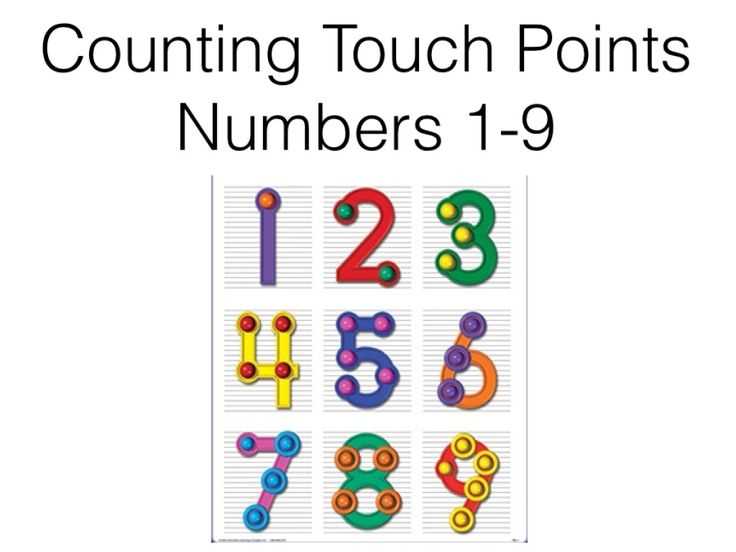
For young learners struggling with number identification and simple operations, hands-on worksheets are one of the best methods for practice. Use printable exercises where students can trace numbers and perform simple tasks, reinforcing their recognition of figures. This method provides immediate visual cues, making it easier for children to connect symbols with quantities.
To practice addition and subtraction, consider using sheets where each number is paired with a set of objects. Having students count and match symbols to groups of dots or shapes will help them internalize basic concepts. You can also introduce simple grouping exercises where children use visual markers to solve problems, further strengthening their understanding of numerical relationships.
For educators, it’s important to incorporate repetition but vary the format. By using different exercises like counting with visual aids or number line activities, you prevent boredom while solidifying comprehension. Try creating a series of worksheets that build on one another, starting with basic recognition and gradually progressing to more complex calculations.
Touch Math Printables Guide
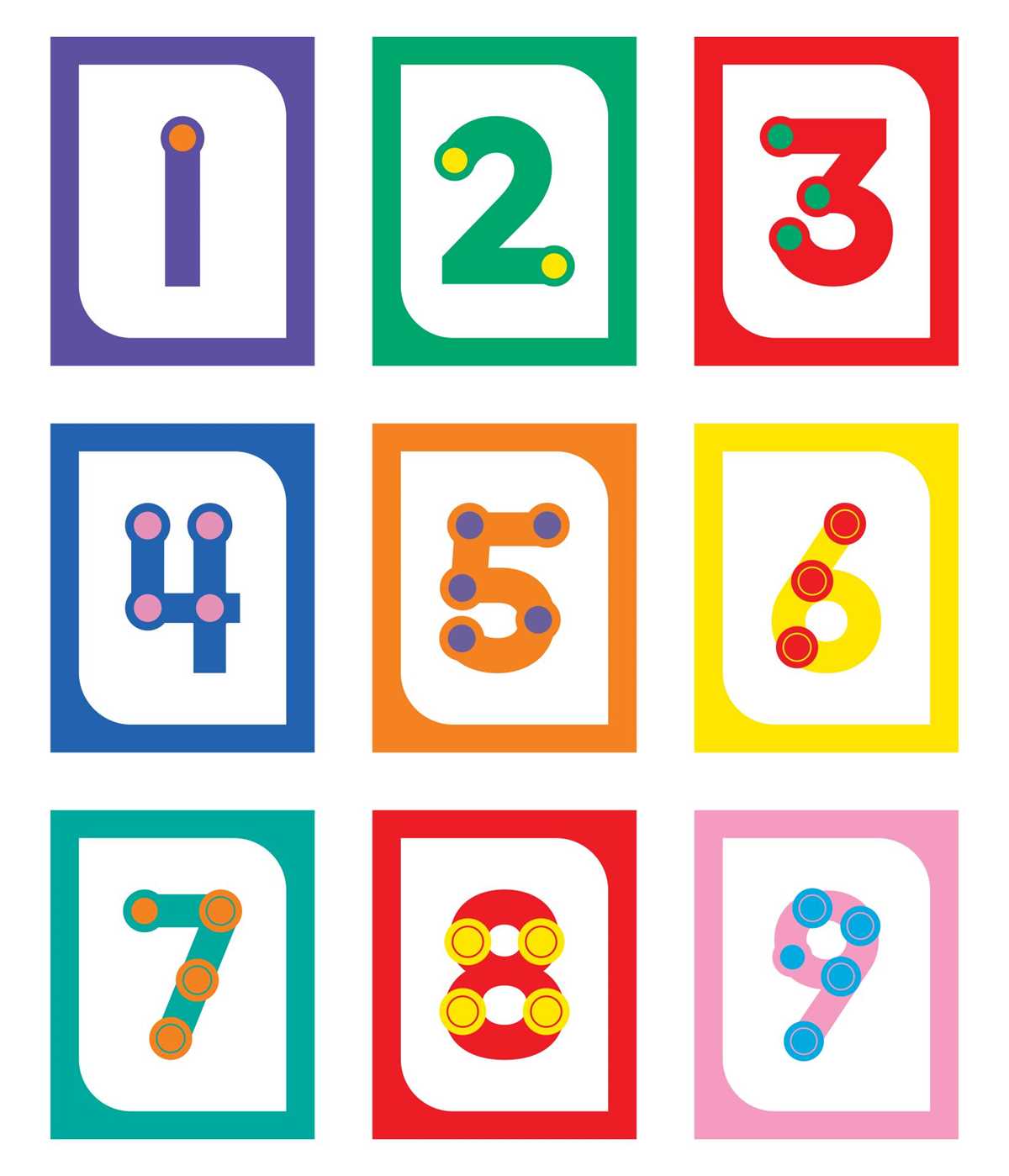
Start by selecting printable worksheets that focus on numeral recognition. Use exercises where each digit is paired with a set of visual aids like dots or objects. This simple association helps children visually connect the number symbol with its quantity, strengthening their understanding of values. For example, a worksheet with the number “3” accompanied by three apples can reinforce this concept effectively.
To teach addition and subtraction, create worksheets that incorporate counting with visual markers. Have children count groups of objects and write the correct sum or difference next to the image. This method works well for beginners who need to relate numbers to real-world objects. Gradually, you can introduce more complex problems by varying the number of objects or introducing more challenging sums.
For more advanced learners, try printable exercises that involve number lines. These activities help children visualize the order of numbers and practice simple arithmetic in a linear fashion. For example, a number line with missing numbers can prompt students to fill in the gaps by counting forwards or backwards. This strengthens both their numerical sequence and mental calculation skills.
Incorporating shapes into worksheets is another great way to engage young learners. Printables where students count and group different shapes will teach them to connect numbers with geometric concepts. For example, a sheet that asks students to count the number of squares and triangles in a picture encourages both counting and shape recognition, aiding their overall mathematical development.
Lastly, vary the difficulty of the worksheets as children progress. Once they are comfortable with simple counting and basic sums, move on to more complex problems that require combining different skills, such as adding and subtracting across tens. This gradual increase in difficulty ensures that learners are constantly challenged, helping them build a solid foundation in mathematics while preventing stagnation.
How to Create Your Own Touch Math Printables for Early Learners
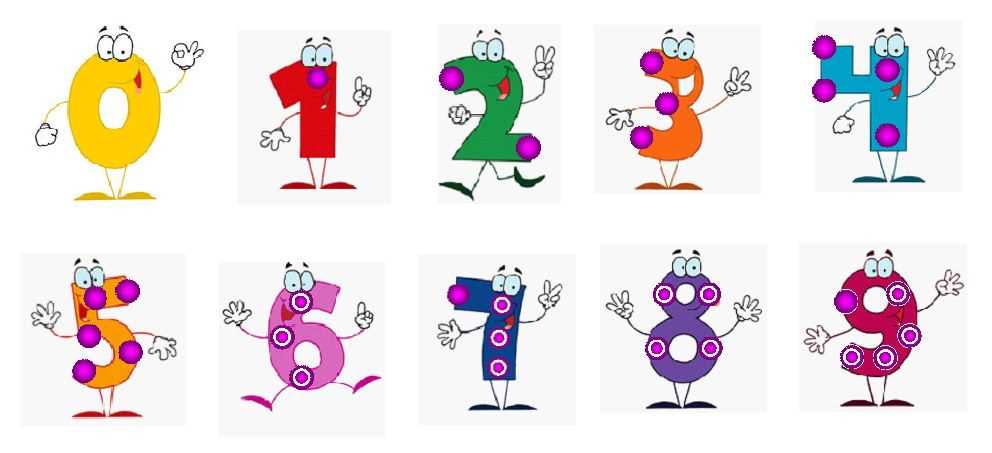
Begin by selecting the right materials for your worksheets. Focus on simple images like dots, animals, or everyday objects that children can easily recognize. For example, use apples, stars, or cars to represent numbers. The goal is to make numbers tangible, so children can visually connect the numeral with a real-world item they are familiar with.
Next, design clear and large numbers. Print the numbers in bold fonts that are easy for young eyes to distinguish. Add lines or boxes for tracing, allowing students to practice writing each digit as they learn it. This combination of visual recognition and motor practice will help reinforce the connection between the symbol and its corresponding quantity.
Incorporate simple arithmetic tasks with the images. For example, present a page with three groups of animals (each group containing a different number), and ask students to count and add the total number of animals. This helps them practice addition while associating the operation with objects they can see and count.
Use a variety of learning activities in each printable. A mix of tasks like matching numbers with sets of objects, tracing numbers, and solving small equations will keep children engaged and make the practice more enjoyable. Include interactive tasks such as “find the missing number” or “circle the correct total” to encourage active participation.
Vary the difficulty of the exercises as students progress. Start with simple counting and move to addition, subtraction, or even grouping larger numbers as learners become more confident. Make sure to adjust the number range based on the child’s ability, so the activities remain both challenging and achievable.
Finally, ensure that your worksheets are visually appealing without being too cluttered. Use plenty of white space around the numbers and images to help children focus on the task at hand. Avoid overwhelming the learner with too many objects or instructions on a single sheet–simplicity promotes better concentration and learning retention.