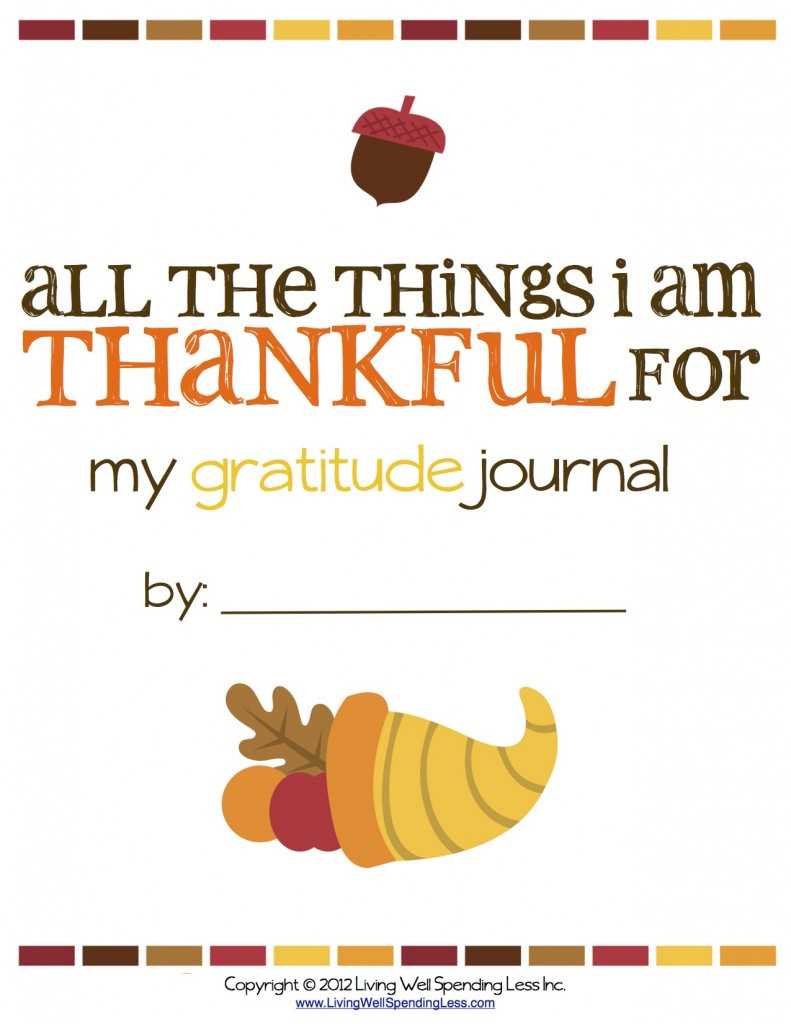
If you’re looking to cultivate a sense of appreciation and mindfulness, keeping a record of things you are grateful for can be a helpful practice. Start by choosing a layout that allows for easy customization, so it suits your routine and preferences. Some people prefer a structured approach with specific prompts, while others opt for free-form pages to jot down thoughts freely.
To maintain consistency, set a specific time each day to write. Morning or evening works best for most, but choose what fits your schedule. The more you make it a part of your daily routine, the more it will become second nature. Aim to focus on specific events, actions, or people that brought you joy or positive moments during the day.
Customization is key to making the experience enjoyable. You can personalize your entries by using colors, quotes, or even small drawings that represent the moments of gratitude you’ve experienced. By adding your own creative touch, you make this practice feel more like a reflection of your personal growth and not just a task to complete.
Gratitude Record Template Guide
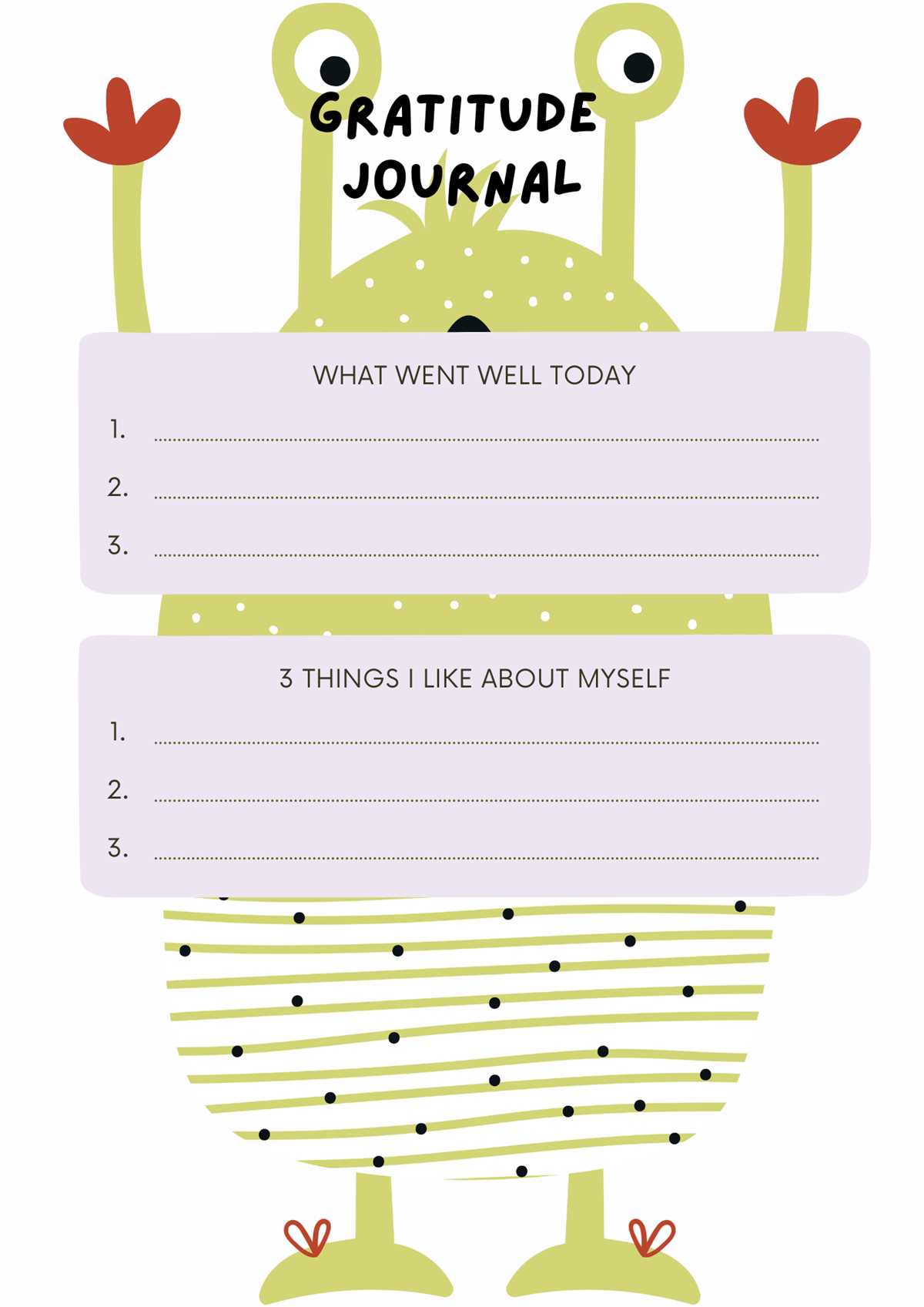
Start by selecting a template that encourages you to reflect deeply. A good template should allow you to record both small and significant moments, so choose one that offers a blend of structure and flexibility. You might opt for a daily or weekly format depending on how often you wish to write. Some templates include prompts, such as “What made you smile today?” or “Who helped you recently?” which guide your thinking.
If you prefer a more free-form approach, select a layout that leaves space for personal entries without restricting your thoughts. Some prefer simple lines or bullet points, while others may enjoy having themed sections like “People,” “Events,” and “Things.” Make sure the template aligns with your lifestyle, allowing you to keep the practice consistent and enjoyable.
Lastly, consider adding design elements to make the experience more engaging. For instance, incorporating quotes or decorative borders can enhance the visual appeal of your entries. You can also experiment with different fonts or colors to bring personality to your reflections. The more personalized your template, the more you’ll look forward to writing each day.
How to Choose the Right Layout for Your Gratitude Practice
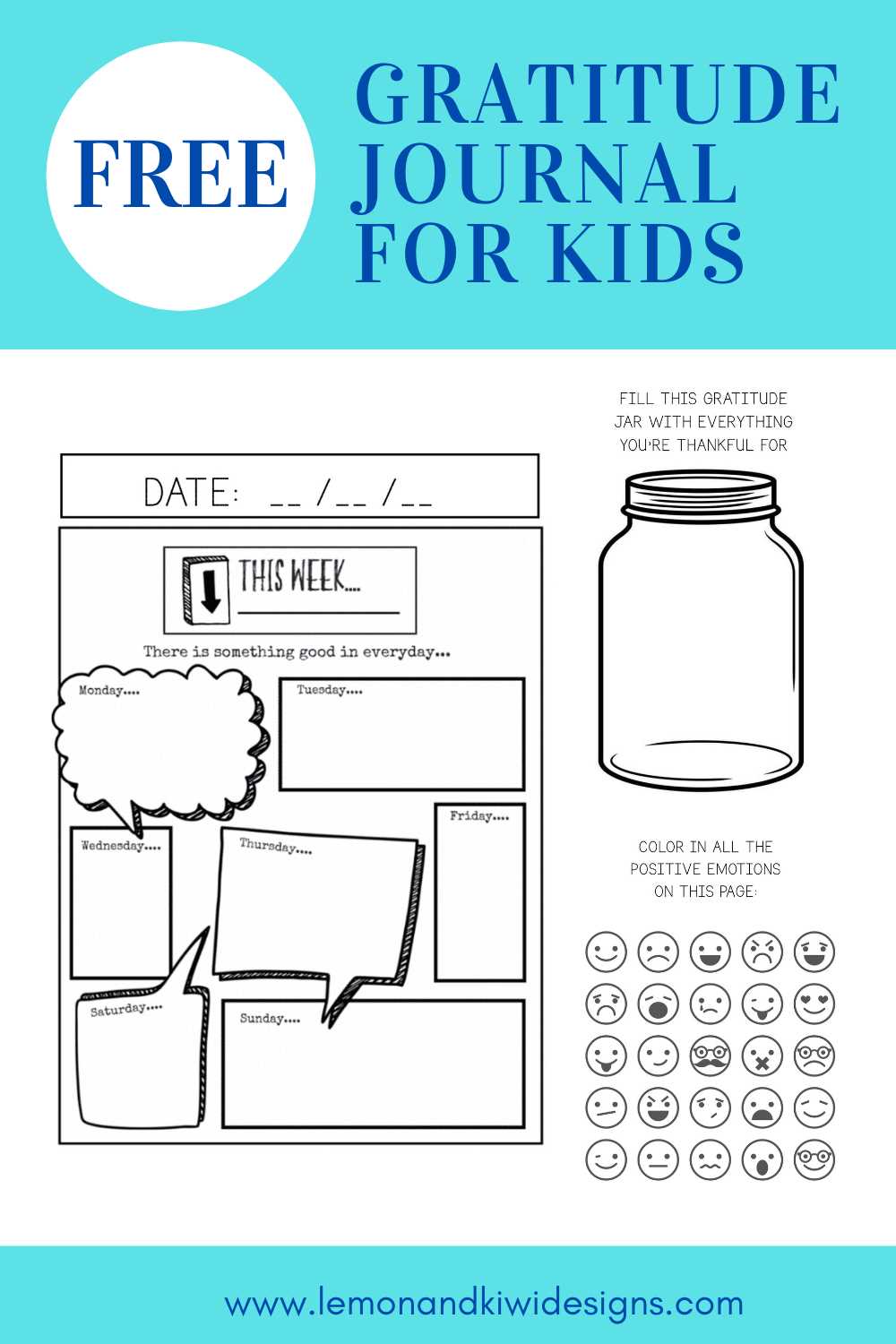
First, determine how frequently you want to reflect. If you plan to write daily, select a layout with ample space for short, frequent entries. A simple layout with one or two lines per day will help maintain a quick, sustainable habit. If you’re looking for more detailed reflections, choose one with longer sections or daily prompts that encourage deeper thoughts.
Consider whether you prefer structured prompts or free-flowing space. Templates with specific questions guide your reflections, making them ideal for those who need direction. For example, “What was the highlight of your day?” or “What are three things you’re grateful for today?” If you prefer to write without restrictions, choose a layout with blank space for more creative expression.
If you value simplicity, a minimalist layout might be best. Choose one with clean lines and minimal distractions. These can help you focus solely on the content of your reflections without being overwhelmed by excessive design. Minimalist layouts also work well if you plan to integrate sketches or other personal touches.
If you’re more visually driven, layouts that include aesthetic elements might resonate better. Look for designs with thematic borders or images that evoke a sense of calm or positivity. You might want a layout with space for doodles, quotes, or stickers, which can enhance your experience and make the practice feel more personal and enjoyable.
Another consideration is whether you’d prefer a weekly, monthly, or daily format. If you’re someone who enjoys consistency, a daily layout with sections for each day can keep your habit regular. Alternatively, a weekly or monthly overview might suit those who want to reflect on the bigger picture, focusing on major events or shifts in mood and mindset over time.
Some layouts include additional sections for long-term goals or overarching themes. These layouts are beneficial for those who want to track progress or reflect on personal growth over time. They might include areas for setting weekly or monthly intentions, which can help you stay focused on both short-term and long-term gratitude practices.
Ultimately, choose a layout that feels accessible and aligns with your personality. The design should encourage you to engage with the process regularly. If you find a particular style overwhelming or uninspiring, switch it up. The layout is there to serve your reflective practice, so make sure it enhances your experience rather than causing stress.
Test out a few different options before committing to one style. You might find that your preferences change over time, and that’s perfectly okay. Experimenting with different layouts can help you discover the structure that best suits your needs and encourages you to stay consistent with your practice.