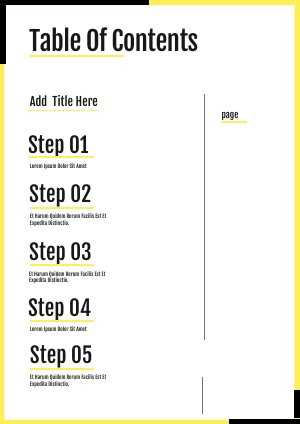
If you’re looking to create a structured and easy-to-navigate document for print, start by drafting a clear outline that breaks your content into manageable sections. A well-organized list of headings and subheadings allows readers to quickly locate information, especially in lengthy reports or books. Keep it simple by focusing on major sections and key subsections that guide the reader through your material.
Use tools like Microsoft Word, Google Docs, or dedicated outline generators to create a functional framework. These platforms allow you to easily convert your outline into a format that can be printed, ensuring that the layout remains neat and accessible. Focus on clarity by using consistent formatting for headers and indents.
Be sure to choose a layout that suits the document’s purpose. If it’s a long report, a multi-level structure with page numbers at the beginning of each section might be best. For shorter pieces, a simple linear structure with bold headings and short descriptions works effectively. Adjust your document’s style according to the content type and your audience’s needs.
Creating an Organized Outline for Printing
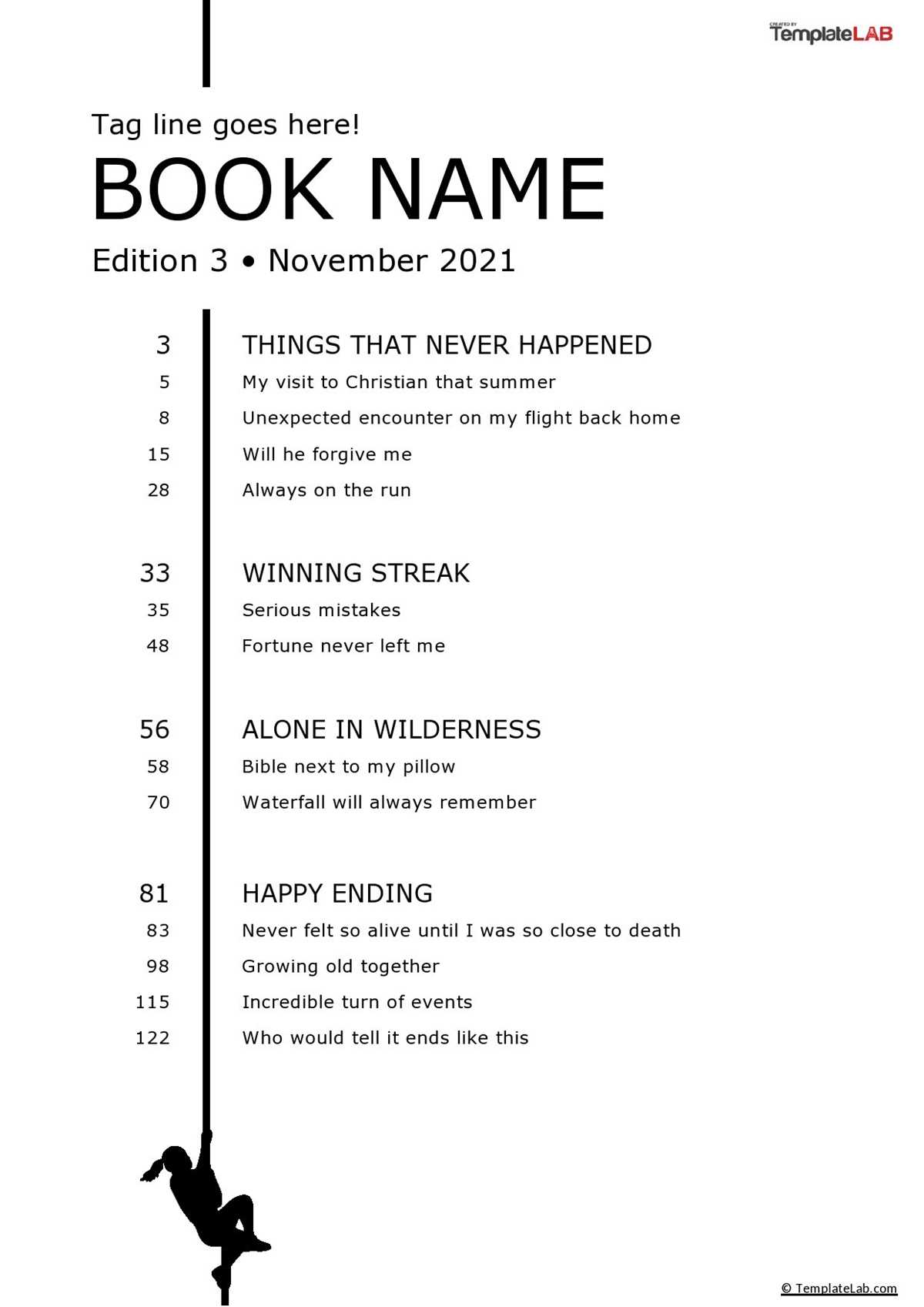
To create a structured outline for printing, focus on keeping the layout simple and easy to follow. Include the major sections and their corresponding page numbers, making sure each heading reflects the main topics of your document. This will give readers a clear sense of where to find specific information.
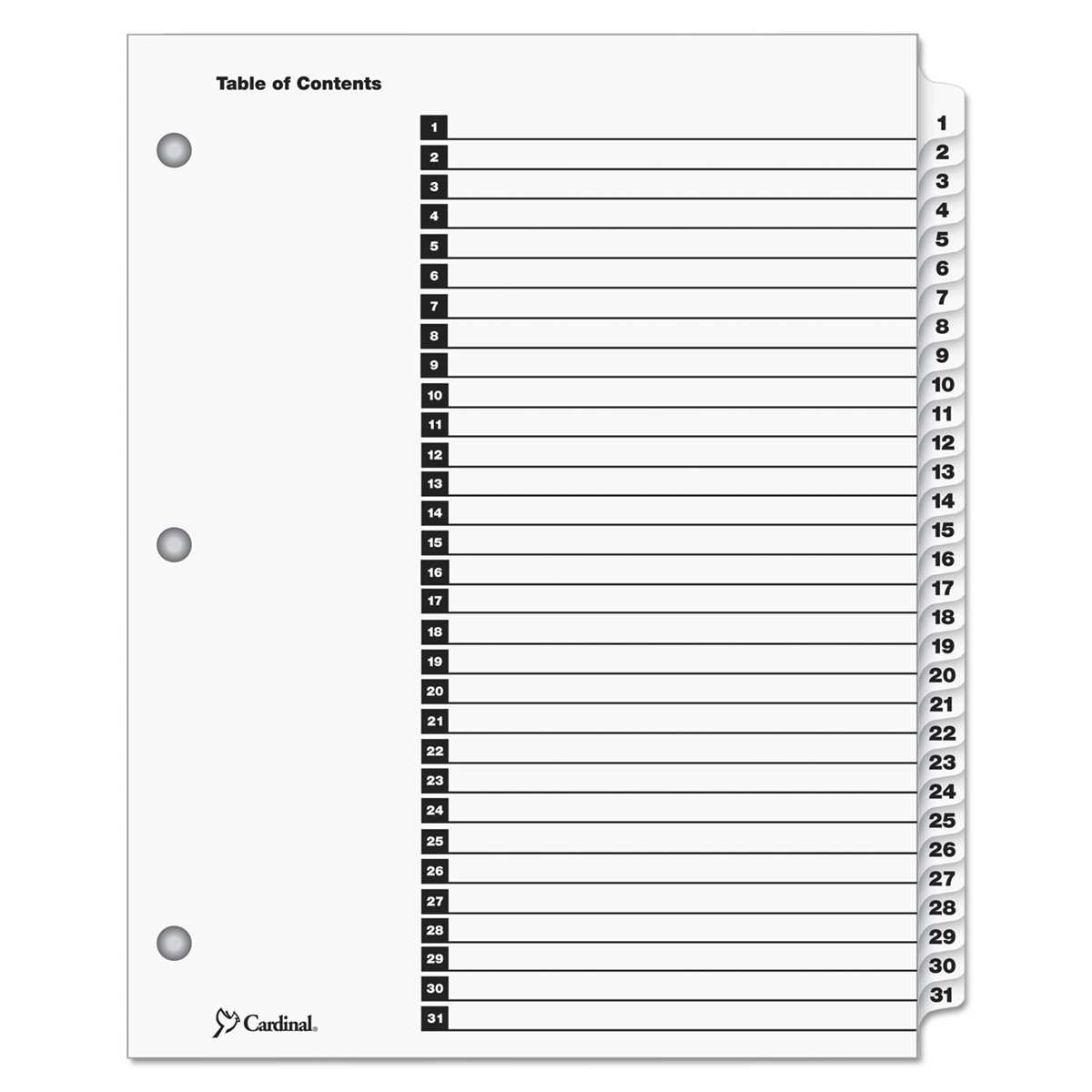
For longer documents, use multi-level headings that reflect the hierarchy of your material. Use larger fonts or bold text for primary headings and smaller, indented text for subsections. This differentiation makes it easy to distinguish between various levels of information at a glance.
One effective technique is to number your sections and subsections. This creates a clear relationship between each part of your outline, allowing readers to understand the flow of the material. It also helps when referring to specific parts of the document, making it easier to navigate during discussions or edits.
If your material is divided into chapters, begin each chapter with a header that clearly marks the start of a new section. For example, use “Chapter 1: Introduction” and then follow with the relevant subsections. This adds clarity and makes it simple to locate specific areas within the document.
For print formatting, consider using a simple grid or table layout. Place each heading in its own row, with corresponding page numbers or section indicators next to them. This creates an easily scannable format for readers, particularly in printed or PDF formats where hyperlinks are not available.
To save space, consider grouping related sections under broader headings. This can reduce clutter while still conveying the necessary structure. For instance, you could group multiple subsections under a single main heading to keep the printed outline more compact and reader-friendly.
Be mindful of font choices and spacing. Choose a clear, legible font for headings, and ensure there is enough white space around each entry to make the outline easy to read. You want to make sure the information is organized but not overcrowded on the page.
Finally, check your work. Double-check page numbers and section labels to make sure they correspond correctly to the content in the document. A well-organized outline will provide a helpful tool for navigating through your material, both for the reader and for any future editing or revisions you may need to do.
How to Design a Printable Outline for Your Document
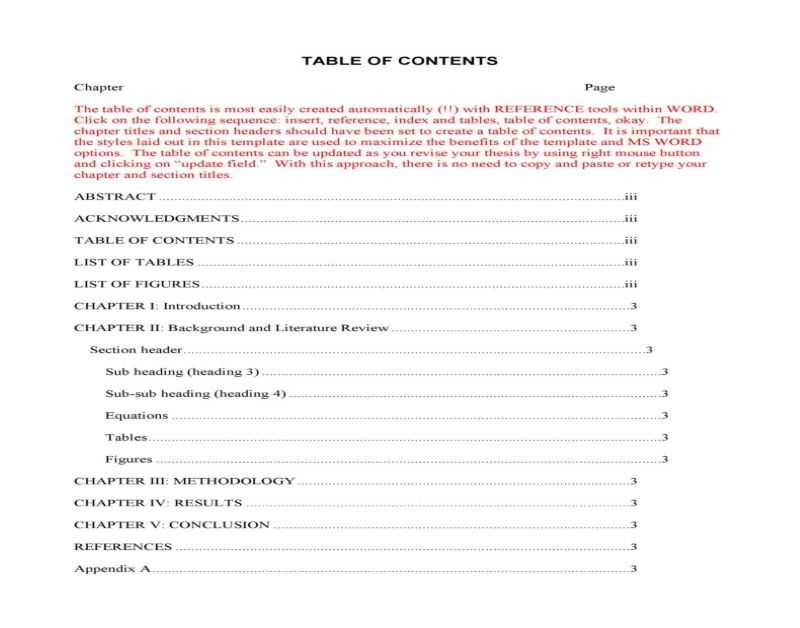
Start by selecting a format that suits the length and structure of your material. For lengthy documents, break it down into main sections, each with subheadings. Use consistent spacing and font styles to help differentiate levels of information, so the reader can easily understand the organization.
For each section, ensure the title is clear and concise. If you have multiple subsections, list them under the appropriate heading and make sure they are indented or visually separated to indicate their relationship to the main section.
Use page numbers in the document so that readers can easily cross-reference the sections in your outline. A common approach is to list the starting page number next to each major heading. This will improve the efficiency of navigation, especially when dealing with long reports or books.
Choose an appropriate font size and style. Headings should be larger and bolder to stand out, while subheadings should be smaller but still legible. Stick to one or two font styles throughout to maintain a clean and professional appearance.
Consider adding horizontal lines or separators between major sections. This adds structure and makes the outline visually appealing, giving the reader a clear sense of where one section ends and another begins.
Finally, double-check the alignment and consistency of your layout. Ensure all headings are aligned properly, page numbers are accurate, and spacing is even. A polished, well-organized framework will not only make your document easier to read but also enhance its overall presentation when printed.