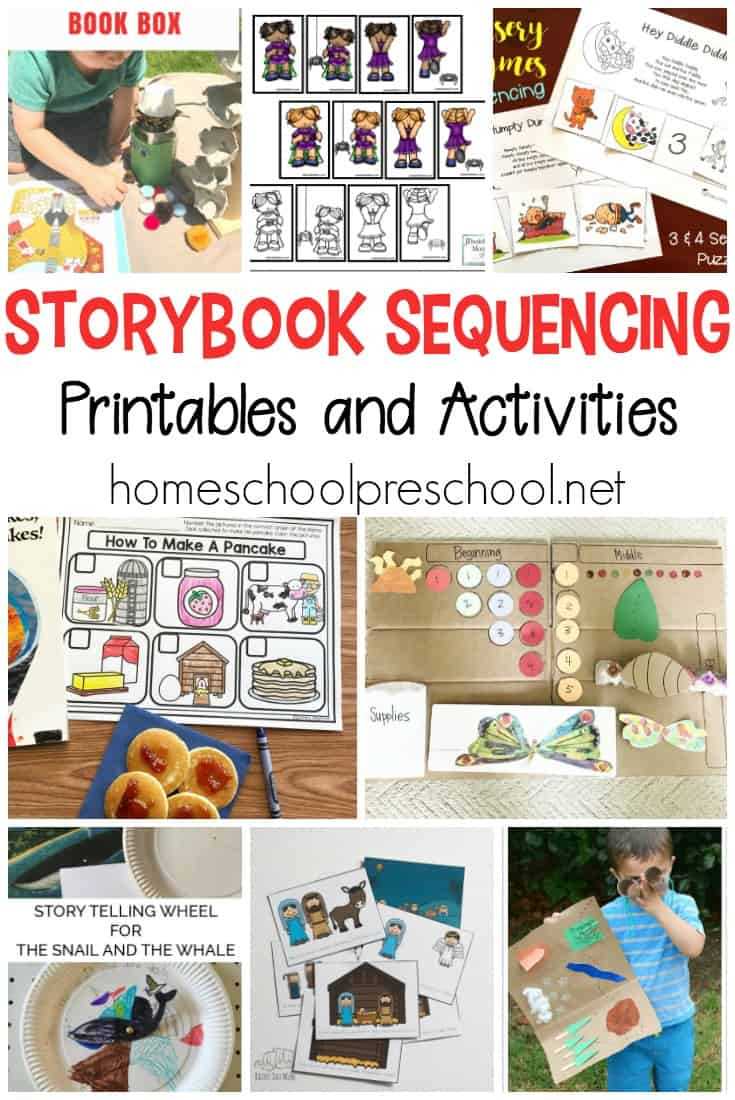
To help young learners better understand the structure of narratives, use visual tools that require them to arrange scenes in the correct order. These activities not only build comprehension but also strengthen critical thinking. They help children grasp the flow of events, cause-and-effect relationships, and narrative progression in a tangible way.
Teachers and parents can create customized exercises by selecting images that match the child’s current level of understanding. Younger children may benefit from simpler images with clear actions, while older children can work with more abstract representations or incomplete sequences that require them to infer missing steps. These activities also improve vocabulary as learners describe each stage of the story.
Incorporating these visual tools into daily routines can make abstract concepts more concrete. It can be particularly useful for children with special needs or those who struggle with verbal communication, as it allows them to express understanding through visual aids rather than words alone. This approach not only boosts cognitive abilities but also fosters creativity by allowing children to engage with the material actively.
Choosing the Right Visual Learning Tools for Children
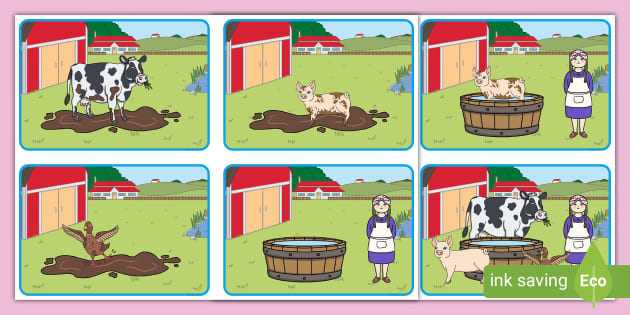
Use visuals that depict clear and simple actions for younger learners. Look for sets where each frame shows a distinct step in a process, allowing children to easily identify and connect events. This is especially useful for reinforcing cause-and-effect relationships. Keep the images consistent in style to prevent distractions and ensure that the focus remains on the sequence rather than the details of the artwork.
For older children, you can introduce more abstract illustrations or incomplete sequences that encourage problem-solving. These images should require learners to infer the missing steps or link disconnected events. Customizable tools that allow you to add or remove elements are a great way to adjust difficulty as needed. Combining these exercises with verbal prompts or written instructions can further deepen comprehension and expand vocabulary.
How to Use Visual Tools for Early Childhood Development
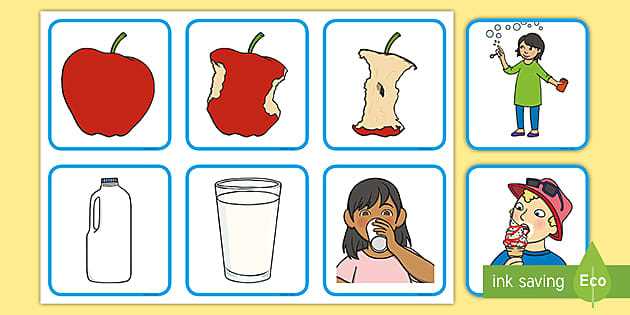
To develop logical thinking and storytelling skills in young children, use visuals where events are shown in a clear, step-by-step manner. This method helps them understand how actions lead to outcomes and improves their comprehension of narratives. By arranging these visuals in the correct order, children engage in critical thinking as they match sequences of events.
Start with simple illustrations that depict familiar activities, such as a child waking up, having breakfast, and going to school. This will help them connect the flow of daily routines with the corresponding pictures. At this stage, the visuals should be basic and easy to understand. Gradually introduce more complex sequences as their cognitive abilities grow.
Encourage children to describe each step as they organize the events. This helps with language development, as they practice vocabulary related to actions and time. Ask guiding questions like, “What happens first?” or “What comes after that?” to prompt verbal communication and reinforce their understanding of sequences.
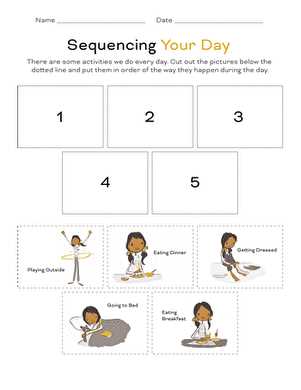
For children who struggle with verbal expression, use visual aids that allow them to point to the images in the correct order. This can help them feel more comfortable with the activity while still developing their sequencing and reasoning skills. Providing visual choices can be an excellent way to support non-verbal learners.
Incorporate these activities into everyday routines to build consistency and familiarity. For example, use images of common household tasks and let children arrange them in the proper order. These exercises allow children to see how events are structured in the real world, reinforcing their understanding of cause and effect.
As children become more confident, introduce scenarios that require them to complete the sequence themselves. Offer incomplete visuals and ask the child to identify what is missing. This encourages them to think critically and use their understanding of everyday processes to fill in the gaps.
These activities can also be a collaborative exercise. Let children work with peers or family members to discuss the order of events. Group activities allow children to compare their thinking with others and expand their understanding through social interaction.
Finally, consistently challenge children with new sequences, introducing both familiar and unfamiliar contexts. This will not only expand their cognitive and language abilities but also their creativity, as they begin to make connections between different types of events. By gradually increasing the difficulty, you can help them develop a strong foundation in both logical thinking and communication skills.