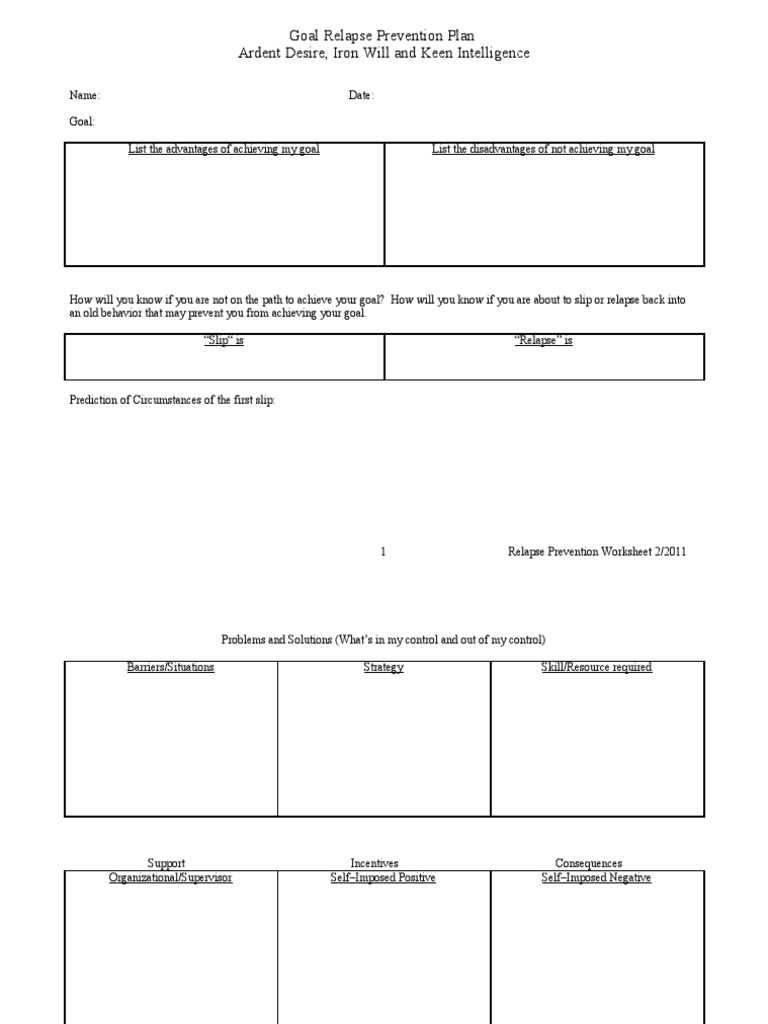
Recognizing and addressing triggers is the first step in creating a strong foundation for lasting sobriety. Identifying the situations, people, or emotions that lead to old habits allows you to create a proactive approach. Recognize patterns in your behavior and environment, and keep a record of moments that feel challenging. This will help you understand where your vulnerabilities lie and prepare a solid response when faced with temptation.
Develop coping mechanisms that can help manage the difficult times. Whether it’s deep breathing, talking to a supportive friend, or engaging in an enjoyable hobby, having a list of strategies will keep you grounded during stressful moments. It’s also important to note that a key part of building resilience is knowing what to do when you feel overwhelmed. Don’t hesitate to reach out for support if necessary.
Consistency is key in any recovery effort. By creating measurable steps, checking your progress regularly, and holding yourself accountable, you can maintain motivation. Track your achievements and review your goals frequently to stay on track. Small milestones, when celebrated, will help build your confidence and show you how far you’ve come.
Relapse Prevention Strategies for Long-Term Recovery
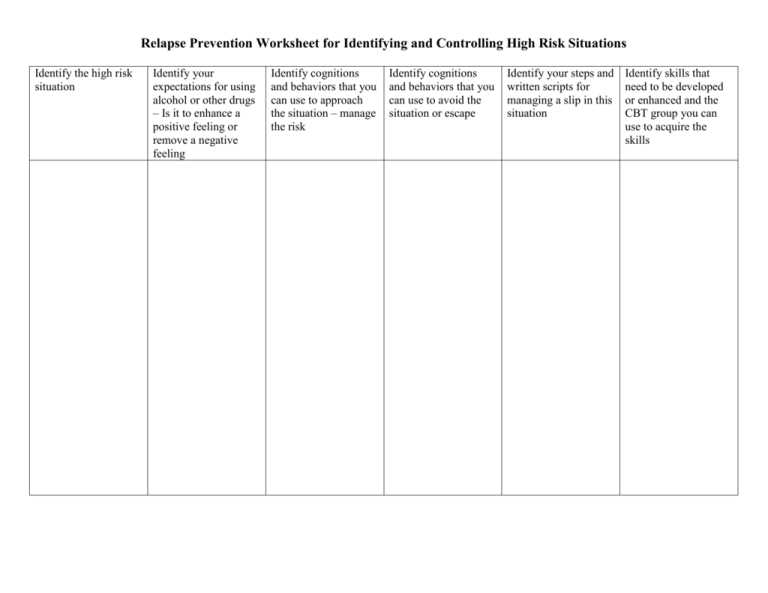
Identify and manage triggers by recognizing the specific circumstances, people, or emotions that may lead to unhealthy behaviors. Keeping a daily log of situations that challenge your commitment helps identify recurring patterns. Once identified, develop responses and avoidance techniques tailored to each trigger. For example, if stress is a trigger, practice meditation or physical exercise to alleviate pressure.
Create a support system by connecting with people who understand your goals. Building a strong network of trusted friends, family, or peers in recovery can provide reassurance during tough times. Regularly check in with this group for advice and encouragement. Additionally, attending group meetings or therapy sessions allows you to stay grounded and engaged in your progress.
Develop a daily routine that keeps you active and engaged. Structure is a crucial element in maintaining consistency and focus. Establish a schedule for each day that includes time for work, recreation, exercise, and self-care. By maintaining a routine, you minimize idle time and stay proactive in managing your recovery.
Practice mindfulness and self-reflection to remain self-aware of your emotional and mental state. Regular mindfulness practices, such as journaling or meditative breathing, help keep your mind clear and focused on long-term goals. Reflect on your thoughts and behaviors, especially during moments of doubt, to identify areas for improvement.
Set achievable goals and track your progress. Focus on small, incremental steps rather than overwhelming yourself with large milestones. Break long-term objectives into daily or weekly goals, such as reducing stress or improving relationships. Celebrate every achievement, no matter how small, as these build confidence and a sense of accomplishment.
Develop coping strategies to manage cravings, stress, or difficult emotions. Find healthy outlets that align with your personal interests, whether it’s a hobby, sports activity, or creative pursuit. These alternatives not only help redirect your focus but also serve as reminders of the positive choices you’ve made. Always have a list of coping strategies you can quickly turn to when needed.
Stay committed to personal growth by continuously working on self-improvement. Recovery is an ongoing process, and there will always be opportunities for learning and growth. Stay open to new approaches, techniques, and support resources. By prioritizing your mental and physical well-being, you set yourself up for sustained success over the long haul.
How to Identify Triggers and High-Risk Situations
Track emotional patterns by paying attention to how you feel in various situations. Are there specific emotions, such as stress, loneliness, or anger, that lead to cravings or unhealthy behaviors? Start a daily journal where you record your mood and experiences. This practice will help you spot trends and identify common emotions that trigger negative responses.
Recognize environmental cues that might push you toward old habits. Certain places, people, or social settings can be high-risk for slipping back into undesirable behaviors. Pay close attention to where and when these situations occur. If a specific group of people or location is linked to your struggles, find ways to avoid or change your association with those environments.
Examine your physical health since it can significantly affect your mental state. Fatigue, poor diet, or lack of exercise can increase stress levels, making you more susceptible to cravings or negative thought patterns. Maintaining a regular sleep schedule and a healthy lifestyle can help you stay balanced and reduce the likelihood of encountering high-risk moments.
Plan for high-stress situations by anticipating moments that might challenge your resolve. Holidays, social gatherings, or stressful life events can often trigger old behaviors. Create a specific strategy for these moments, such as having a support person to call or a coping mechanism to use in the moment. By planning ahead, you can feel more confident when navigating these challenges.