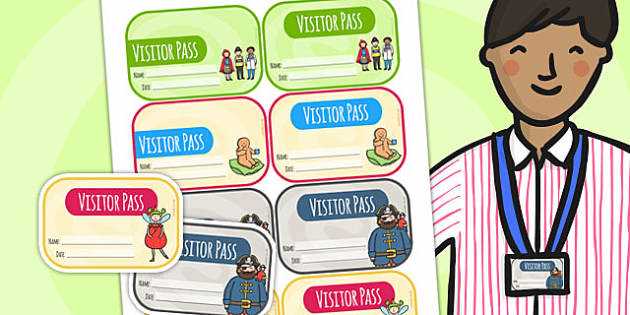
For a smooth experience at events or in the workplace, it’s important to design clear and functional identification cards. Start by choosing the right size and shape for your cards. A common size is 3.5 x 2 inches, which fits standard cardholders, but you may opt for larger ones for more visibility in crowded spaces. Always account for the information you need to include: name, company, and perhaps a title or role.
Next, select a simple, legible font. A good rule is to choose something bold enough to be seen from a distance, such as Arial or Helvetica. Make sure the text size is large enough to be readable, typically around 14-18 pt for names. Incorporate a logo or design elements if necessary, but keep it professional and uncluttered.
When it comes to printing, use high-quality cardstock or paper that won’t bend easily. Consider laminating the cards to increase their durability, especially if they will be used for multiple events or extended periods. If you’re using a home printer, choose one with high resolution for the best results.
Designing Clear and Professional Identification Tags
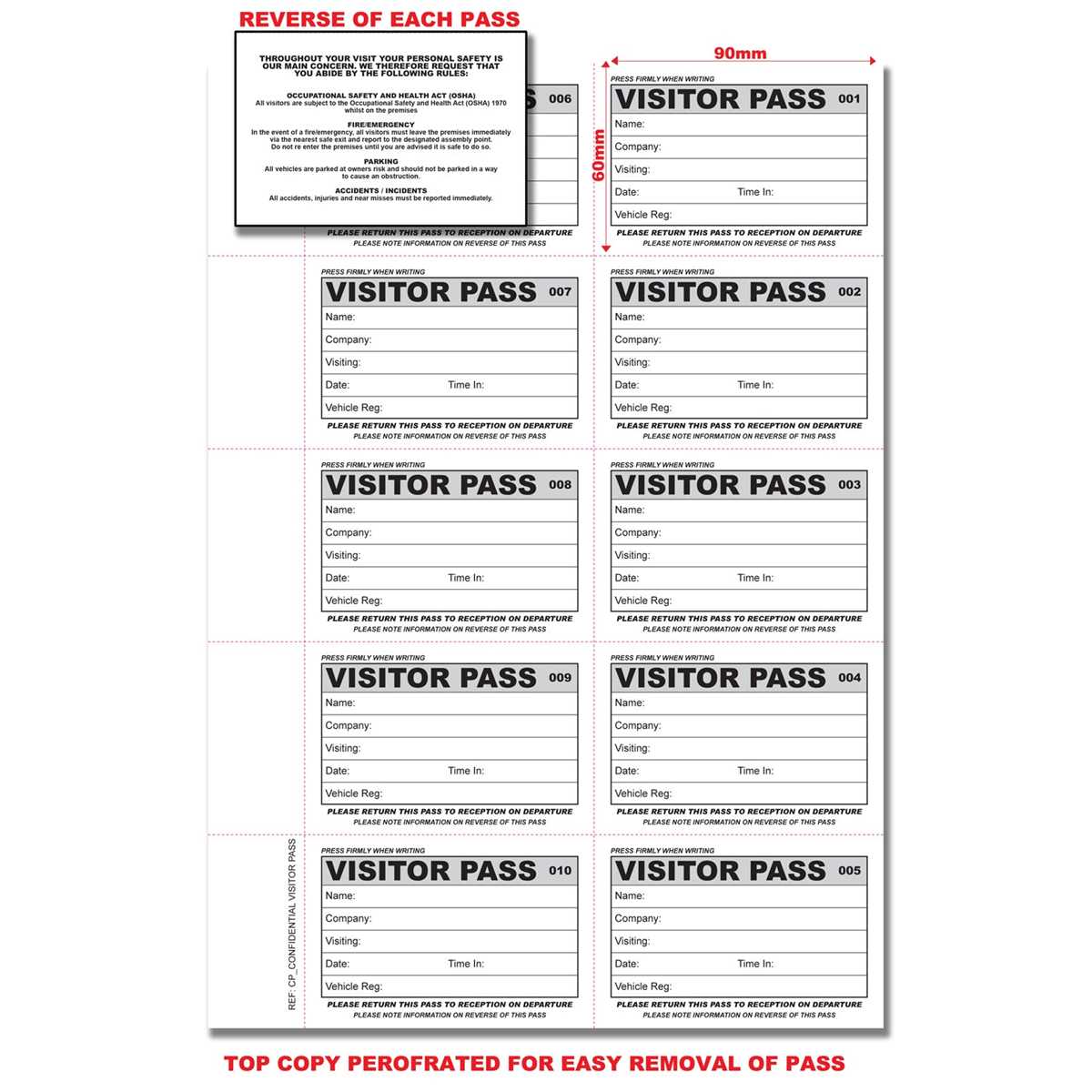
Start by selecting a software that allows precise control over text and images, such as Microsoft Word or Google Docs. Choose a template that fits your needs, whether it’s a simple design or something with a more complex layout. Make sure the dimensions match your printing paper size. Standard ID card sizes are usually 3.5 x 2 inches, but larger sizes can be used for added visibility at events. Add the name, company, and role of the individual, ensuring that the font is large enough to be readable from a distance–between 14-18pt is typically ideal.
After finalizing the design, print a test page to ensure the layout is correct and the colors are accurate. Use quality cardstock or photo paper to avoid bending and tearing. If you need to laminate the tags, ensure that they fit within your laminating pouches. It’s also helpful to have a few blank templates on hand for quick adjustments if needed during the event.
Choosing the Right Materials for Printable Visitor Badges

For optimal durability and professionalism, selecting the right material for your identification cards is crucial. Standard office paper can be used for short-term or low-profile events, but it’s not ideal for high-traffic settings where durability is important. Instead, opt for heavier paper or cardstock that provides strength and a polished finish. Cardstock weights typically range from 200 to 300 gsm, with the higher end offering more rigidity and longevity.
Consider laminated options if you expect badges to be reused multiple times or exposed to heavy handling. Lamination adds an extra layer of protection, preventing wear and tear. For one-time events, you can also laminate the cards for a more professional, lasting appearance. Be sure to choose laminating pouches that fit the size of your cards and use a high-quality machine for sealing.
Another option to explore is synthetic materials like PVC or vinyl. These offer greater water resistance and can endure outdoor conditions, making them suitable for outdoor events or environments with varying temperatures. PVC is a common choice for long-lasting identification cards, as it resists fading and bending.
When choosing between paper or synthetic materials, think about the overall aesthetic you want to convey. If your event is formal or business-oriented, consider a thicker cardstock or synthetic material with a glossy finish for a more premium feel. For casual events, simple paper or lightweight cardstock may suffice.
If you’re considering printing the tags on your own, check the compatibility of the material with your printer. Inkjet and laser printers work well with most paper types, but be cautious with heavier materials like PVC or vinyl. These materials may require a specialized printer or printing service to achieve high-quality results without smudging or distortion.
For a more eco-friendly approach, recycled paper and biodegradable materials can also be used. They provide an environmentally conscious solution while still maintaining adequate durability for short-term use. Be sure to verify the thickness and quality of recycled paper, as some options may not be as sturdy as traditional cardstock.
Don’t forget to take cost into consideration when selecting the material. While synthetic options may be more expensive, they can also reduce the need for reprints, which may make them more cost-effective in the long run, especially for larger events. For smaller or one-off events, paper or cardstock remains a practical and affordable option.
Finally, assess the overall branding and design of your event when making a decision. Materials with a matte finish can offer a more subtle, refined appearance, while glossy options can enhance color contrast and give your cards a more striking, modern look. Match your choice with the tone of the event for the best results.