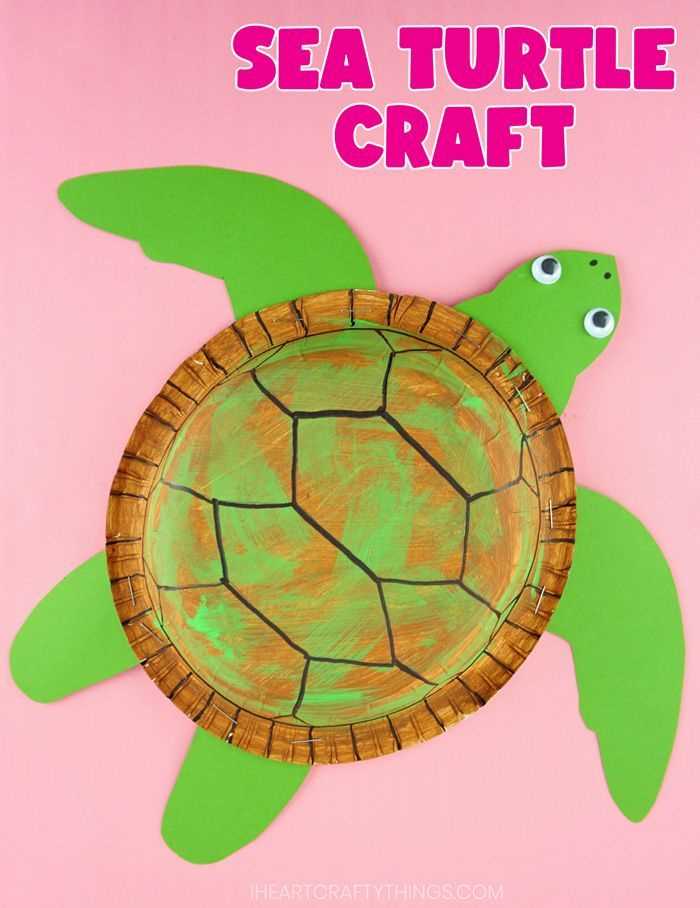
Start by printing the provided template of a reptile shell and body, then cut along the outlined edges. Using colored paper or markers, you can personalize the shell design to your liking. Feel free to experiment with patterns–geometric shapes or textured designs bring your project to life. Once the body and shell are ready, glue them together and proceed to attach the head and legs.
Assembly tip: For added stability, use cardboard or thicker paper to reinforce the model. Carefully fold along the dotted lines to give it a more three-dimensional look. Adjust the head and legs so they stand out properly from the shell to create a lifelike appearance.
Consider using different materials like googly eyes or felt for an extra touch of realism. You can also add a tail by cutting a small strip of paper, folding it slightly, and attaching it to the back of your creation.
Once the construction is complete, display your finished product proudly on your desk, or even use it as a fun educational tool for younger audiences. This activity is not only creative but also a fantastic way to develop fine motor skills while learning about these fascinating creatures.
HTML
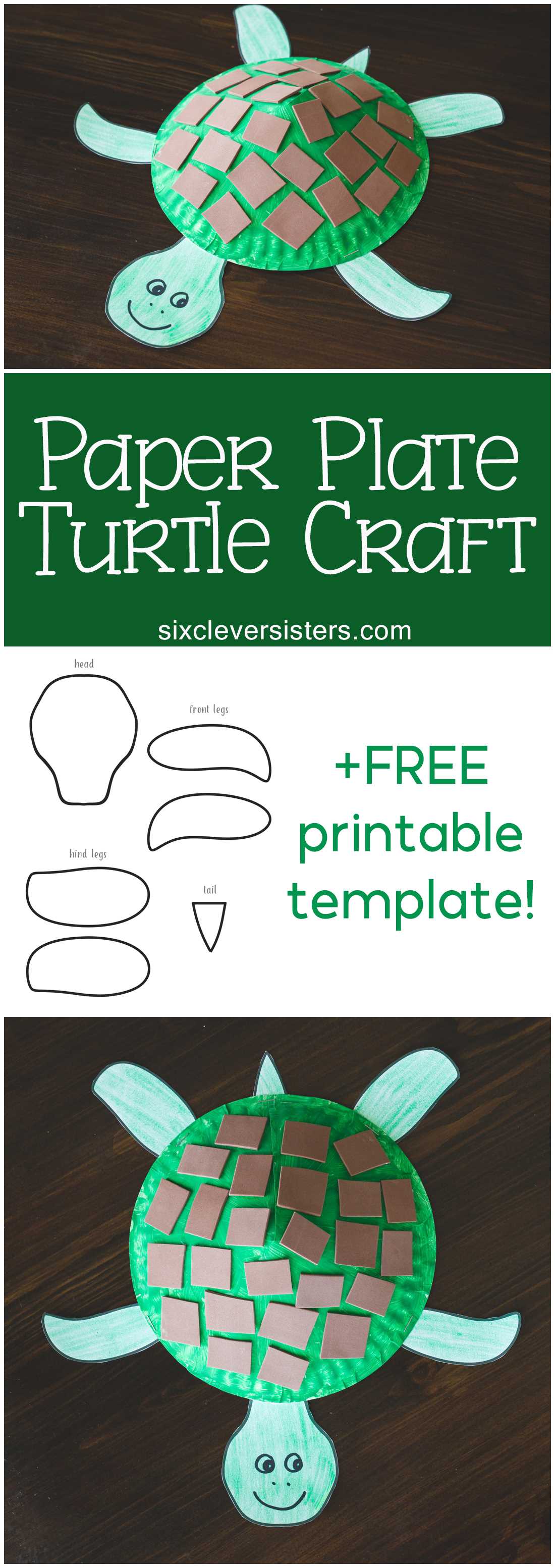
Creative Sea Creature Paper Project
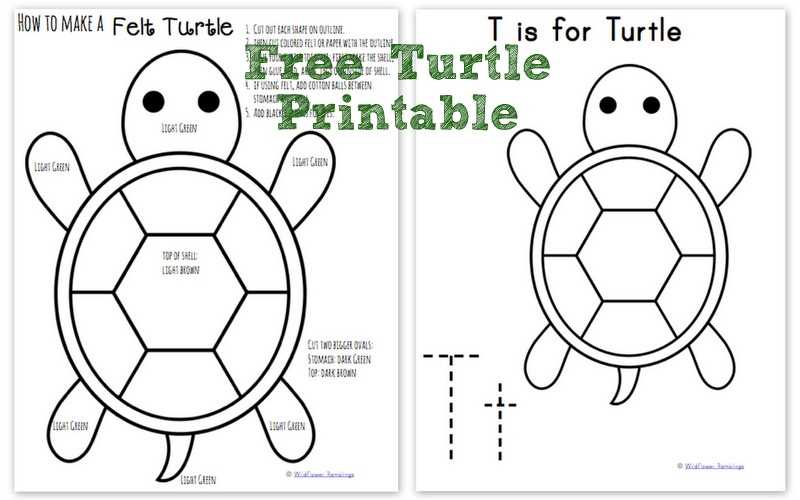
Start by printing out the pre-designed template on thick paper or cardstock to ensure durability during assembly. Once printed, carefully cut along the outlined edges to form the shape. If you prefer more detail, consider adding extra designs like textures or patterns on the shell and legs using markers or colored pencils.
Next, attach the limbs to the body using a glue stick or double-sided tape. For a more 3D effect, try folding the arms and legs slightly before fixing them in place. This gives the animal a more dynamic look, adding realism to the final creation. Make sure the body and limbs are well aligned to avoid imbalance in the structure.
- For added fun, use googly eyes to give your model personality.
- Experiment with different colors for the shell to create a unique design.
- Once assembled, let the figure dry completely before handling to avoid shifting parts.
Choosing the Right Materials for a Printable Turtle Craft
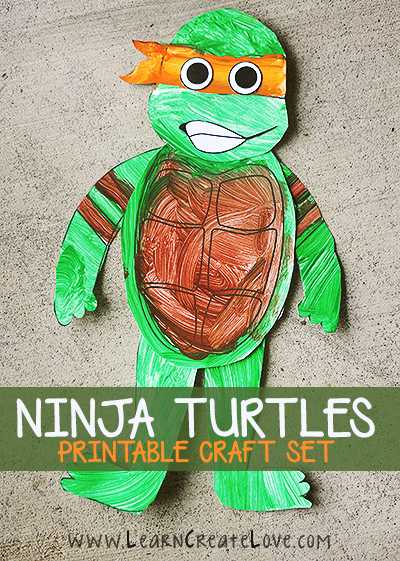
Start with sturdy paper like cardstock for a reliable base. It ensures the model maintains its shape during the assembly process, even when folded or cut. If you plan to add color, go for white or light-colored sheets, as vibrant markers, crayons, or paint will stand out more effectively. Avoid glossy finishes, as they may not hold markers or adhesives well.
For the best results, opt for child-friendly adhesives such as glue sticks or double-sided tape. These options are easy to apply and won’t cause paper to warp. Hot glue or liquid glues are not recommended, as they can be messy and may cause the material to become soggy, especially when working with lightweight paper.
To give your creation a more polished look, consider using decorative elements like fabric scraps or textured paper for details like the shell or background. Avoid overly thick embellishments, as they may interfere with the folding or fitting of pieces. Keep materials lightweight for a smooth crafting experience.