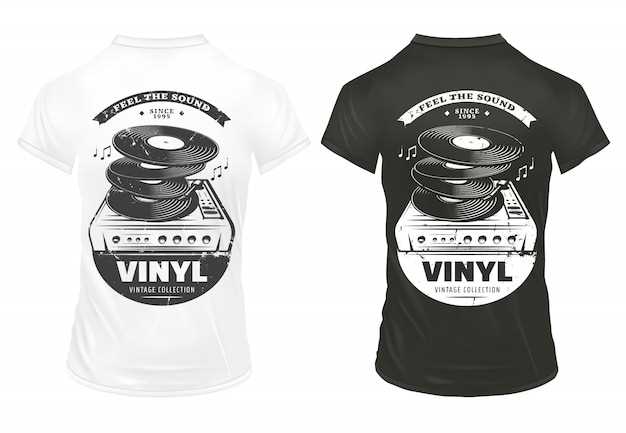
If you want to personalize clothing items with your own designs, using heat transfer material is one of the best options. Choose a material that works well with your printer, as not all sheets are compatible with every type of ink. Look for products specifically labeled for fabric printing to ensure long-lasting results. When selecting a transfer sheet, consider the thickness and flexibility of the material, as these factors influence both the durability and feel of the print on the fabric.
Before printing, make sure your design is mirrored correctly on your computer. This step is crucial for text and certain graphics to appear in the correct orientation on the finished item. You also need to check your printer settings; some printers might require specific settings to get the best print quality. Always print a test design on paper first to make sure everything looks right.
Once your design is printed, it’s time to transfer it to the fabric. Use a heat press or an iron, depending on the transfer sheet’s instructions. The temperature, pressure, and time are all critical to ensure a clean, durable print. If you’re using an iron, apply steady pressure and avoid moving the iron around too much to prevent smudging or uneven results.
Choosing the Right Transfer Material for Fabric Printing
Selecting the right transfer material for your design is a critical step. Always choose a type compatible with your printer and fabric. Materials like heat transfer paper or adhesive sheets can offer varying results based on the type of fabric you are working with. Cotton and polyester fabrics tend to work well with most options, while delicate fabrics may require special attention or a different product.
Consider the texture of the final product. Some materials offer a glossy finish, while others are matte. Glossy finishes can give designs a more vivid appearance, but they might not always feel as soft as matte options. Choose the one that best suits your project’s aesthetic and comfort requirements.
Be mindful of the weight of the material. Heavier transfer papers might take longer to transfer and can sometimes feel bulkier on lighter fabrics. On the other hand, lighter materials work best for more intricate designs, as they tend to be thinner and more flexible when applied.
Make sure to check the transfer temperature requirements for your chosen material. Too high a temperature can damage both the fabric and the design. Always follow the manufacturer’s guidelines regarding time, temperature, and pressure when using a heat press or iron. Testing on a scrap piece of fabric before starting your project can save you from costly mistakes.
Additionally, consider how durable the design will be after washing. Some transfer sheets can crack or peel over time, while others are more resilient to washing and everyday wear. If you’re creating items for sale or frequent use, choose materials that offer long-lasting results, even after multiple washes.
Lastly, think about the ease of application. Some materials require multiple steps, such as peeling layers or applying a second press for finishing. Others are simpler and quicker, requiring just one press. If you’re working on large projects or have limited time, efficiency might be a key factor in choosing your materials.
How to Select the Best Printable Material for T-Shirts
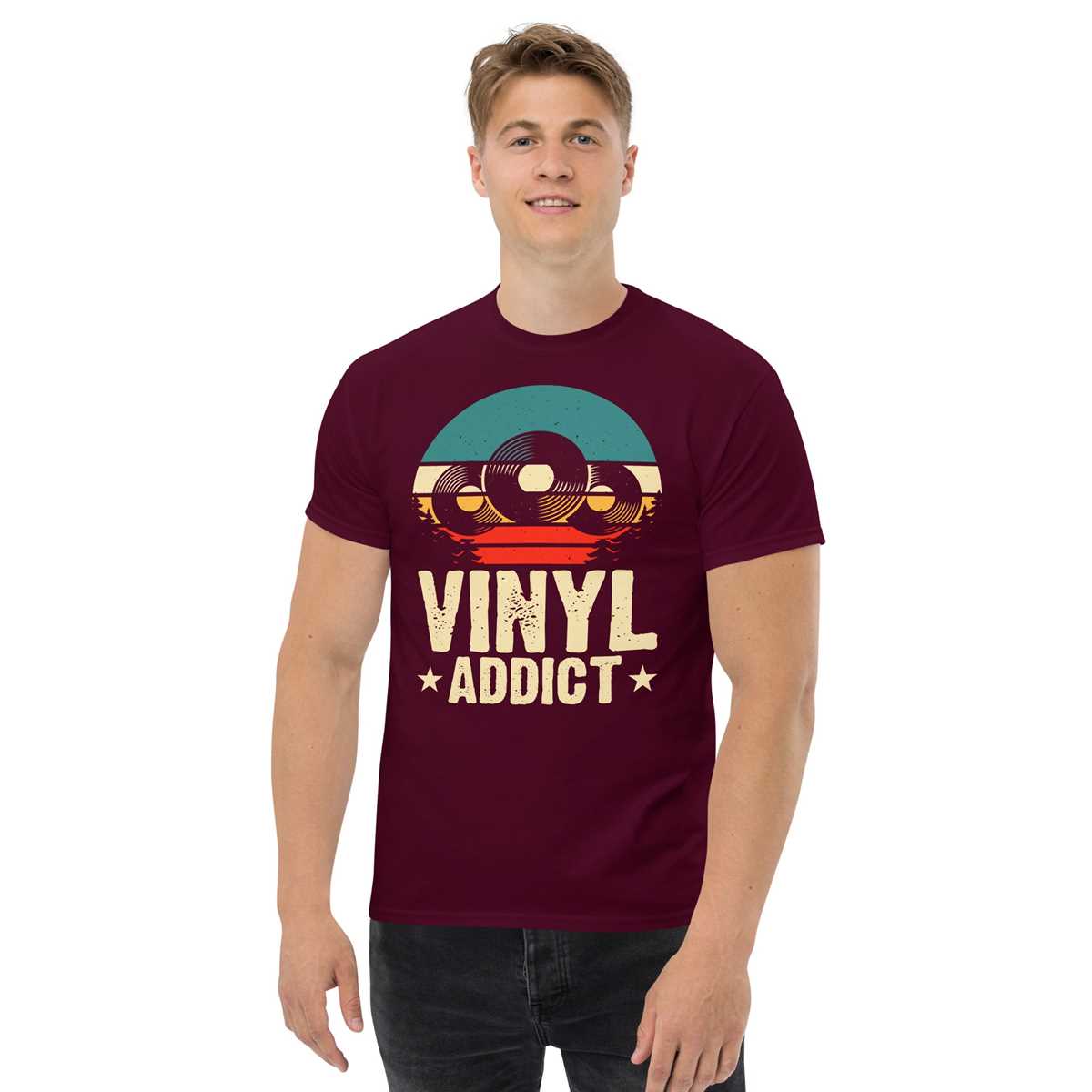
Start by determining the type of fabric you will be working with. For cotton or cotton blends, most transfer materials will work well, but for synthetic fabrics like polyester, you will need a transfer sheet specifically designed for that material. Using the wrong product could result in a poor bond between the design and the fabric.
Check the compatibility with your printer. Not all transfer materials work with every type of inkjet or laser printer. Some options may require special ink or coating, so verify the material is compatible with your printing setup before purchasing. This ensures you avoid issues like smudging or fading.
Consider the finish of the material. Here are a few common finishes to think about:
- Glossy: Provides a shiny and vivid appearance, making colors pop.
- Matte: Offers a more subtle look, with no reflective shine.
- Clear: Ideal for light-colored fabrics as it blends well with the background.
Look at the durability of the product after washing. Some transfer materials tend to crack or peel after several washes, while others remain intact. If you are creating garments for regular use, select materials with proven wash resistance to ensure your design lasts longer.
Finally, evaluate the ease of application. Some materials require multiple steps, such as peeling off backing paper or additional pressing, while others provide quicker application with less hassle. Choose a product that fits your time constraints and project needs for a smooth and efficient process.