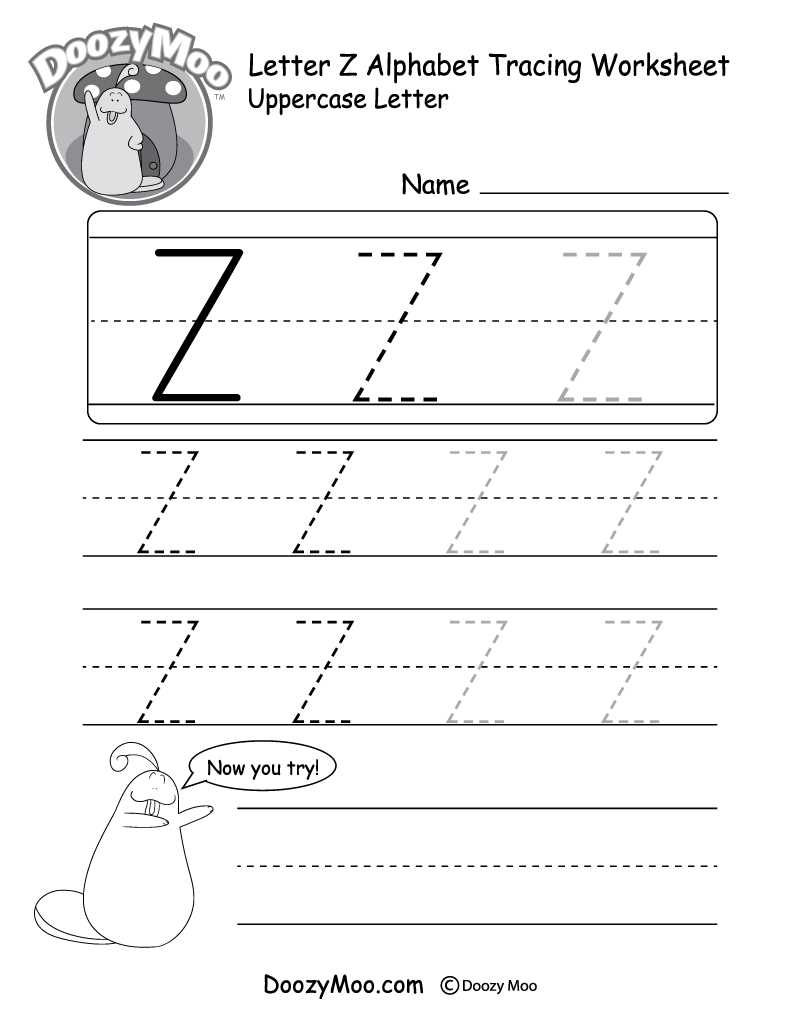
To help young children improve their writing skills, using resources that guide them through each stroke is key. One of the most effective ways to practice is by providing them with worksheets that highlight the form and structure of each character. These resources can significantly boost both letter recognition and motor control for beginners.
Focus on providing clear, well-spaced outlines of each character. This allows children to trace over the shapes with a pencil or marker, reinforcing muscle memory for each letter’s structure. Ensure that the size and style of the characters are appropriate for your child’s developmental stage, as starting with large, simple forms will build confidence before moving to smaller, more intricate ones.
Incorporating fun activities with these worksheets can make the process engaging. Use colorful pens or stickers as rewards, or introduce challenges like tracing a full set of characters within a time limit. These interactive methods keep the learning process enjoyable, helping children stay motivated as they build essential writing skills.
Guide to Letter Tracing Exercises
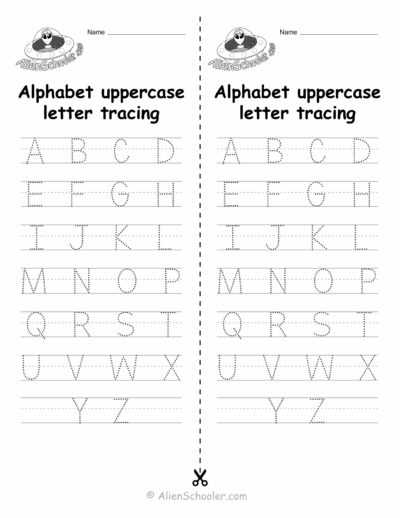
Start by selecting resources that offer clear outlines of each symbol. These outlines should be large enough to give children ample space to practice, helping them develop control over their writing tools. Begin with simple shapes and gradually progress to more complex forms as the child’s ability grows.
Provide a variety of writing utensils such as pencils, markers, or crayons to make the exercise more engaging. Encourage children to trace over the lines slowly, focusing on proper form and fluidity. Repetition is key, so allow enough time for multiple practices with the same character to reinforce muscle memory.
Incorporate fun challenges by asking children to trace a full sequence of characters or create small stories using the symbols they’ve learned. This not only builds their writing skills but also sparks creativity and excitement in the learning process.
Choosing the Right Tracing Templates for Kids
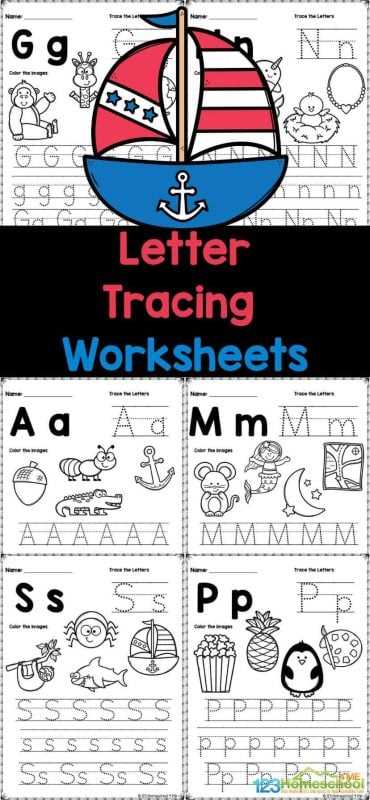
Select characters that are age-appropriate and simple, starting with basic shapes and progressing to more complex forms as children gain confidence. Templates that focus on one character at a time allow for greater practice and mastery.
Look for designs with clear, bold outlines that are easy to follow. Thin or overly intricate lines can make it harder for children to trace accurately, potentially leading to frustration. Choose templates with thicker strokes for better clarity and a more rewarding tracing experience.
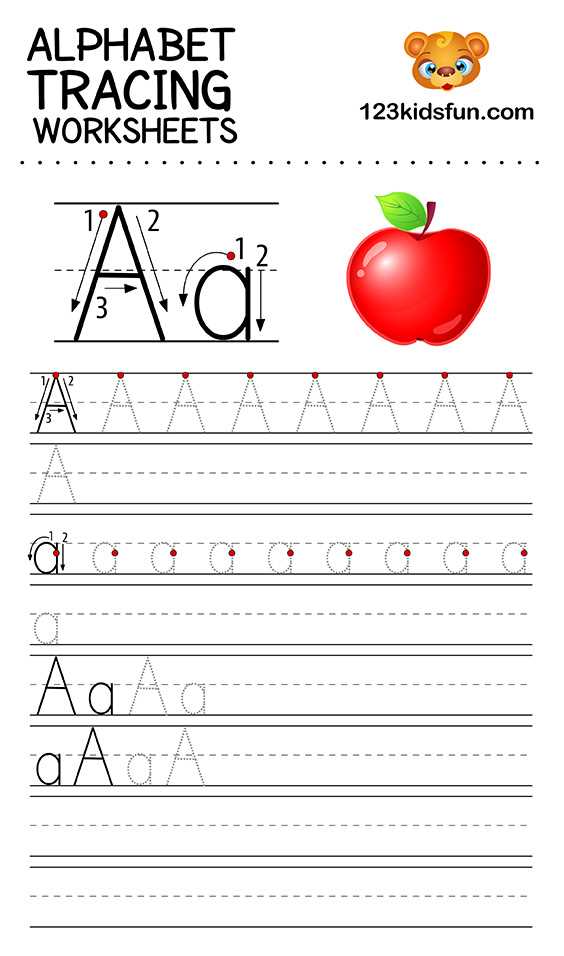
Consider the child’s skill level. For beginners, larger symbols and plenty of spacing between each one help them focus on motor control. As they advance, smaller and more tightly spaced shapes will improve their dexterity and precision.
Lastly, include fun themes and illustrations with the traced characters. This keeps children engaged and motivated to practice more. You can find themed sheets based on animals, everyday objects, or popular characters to make the exercises enjoyable while learning important skills.