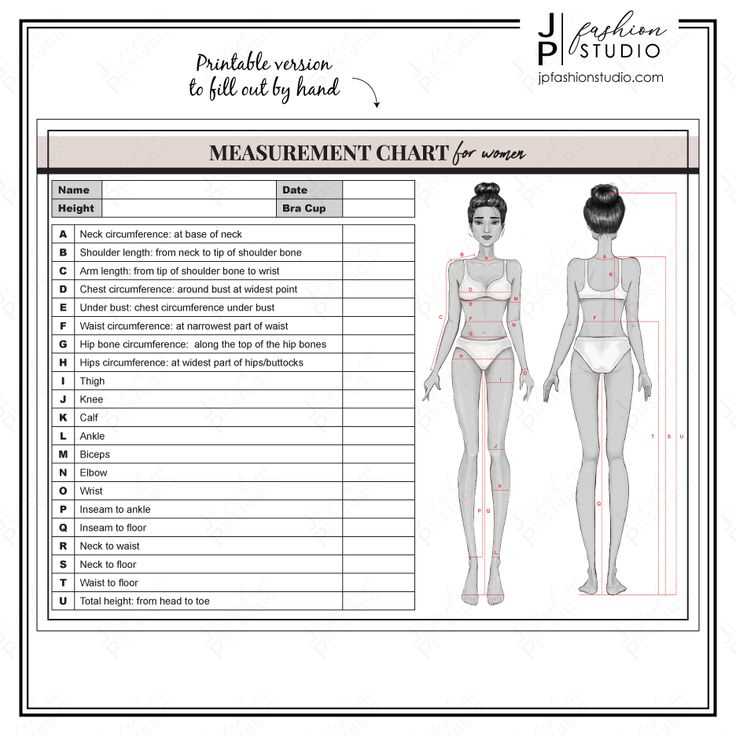
To achieve a perfect fit for your clothes, begin by gathering precise body dimensions. Use a reliable template that outlines key body areas, ensuring you don’t miss any important details. This method helps you get the right fit whether you’re making garments at home or sending measurements to a professional.
When measuring, focus on areas like bust, waist, hips, and inseam. Each measurement should be taken with a flexible tape, making sure it’s snug but not tight. Keep in mind that accurate readings will allow for better results, ensuring your final piece fits comfortably and flatters your shape.
Once you’ve collected your measurements, make a copy of the template so you can use it for future fittings. Many templates are available online and can be easily downloaded to keep track of sizes for different individuals. This simple tool makes clothing adjustments easier and helps avoid the need for multiple fittings.
Guide for Accurate Body Measurements for Clothing
Begin by selecting a well-structured template to track the key body areas for custom clothing. A reliable guide will have designated sections for the bust, waist, hips, inseam, and other necessary points that ensure an accurate fit. Make sure the chart provides a clear layout to help you document each measurement easily.
For best results, use a soft measuring tape, ensuring it wraps comfortably around each section of your body. Don’t pull the tape too tight; the goal is to capture natural body contours. It’s recommended to take the measurements while standing straight, without pulling your stomach in or slouching, for the most accurate results.
When recording your measurements, note down both the size of the body part and the corresponding position. For example, measure around the fullest part of the bust, the narrowest part of the waist, and the widest part of the hips. This clarity will help you later when using these details to select or make garments.
Ensure you measure several times, especially in areas like the waist and hips, as slight inaccuracies can cause fit issues. Taking the measurements more than once gives you a safety net, and allows for more reliable readings. It’s a simple yet effective method for ensuring a better fit.
If you are measuring for multiple people or creating a catalog, organize each person’s measurements systematically. Keep a digital version or print extra copies of the guide to track progress over time. This will be especially useful when you need to compare sizes or recheck a certain measurement later on.
For an even better fit, make sure to record any special preferences, such as the type of clothing or desired style. Whether you want a tighter fit or more room around the hips, these notes will assist you in customizing each piece to suit individual comfort and preference.
After measuring, use the collected data for custom adjustments or to compare with size charts for ready-to-wear clothing. This way, you can ensure that you’re creating or purchasing the most comfortable and flattering fit possible. Always save your measurements, as they can be used again for future garment creation or shopping.
How to Use a Sizing Template for Accurate Fit
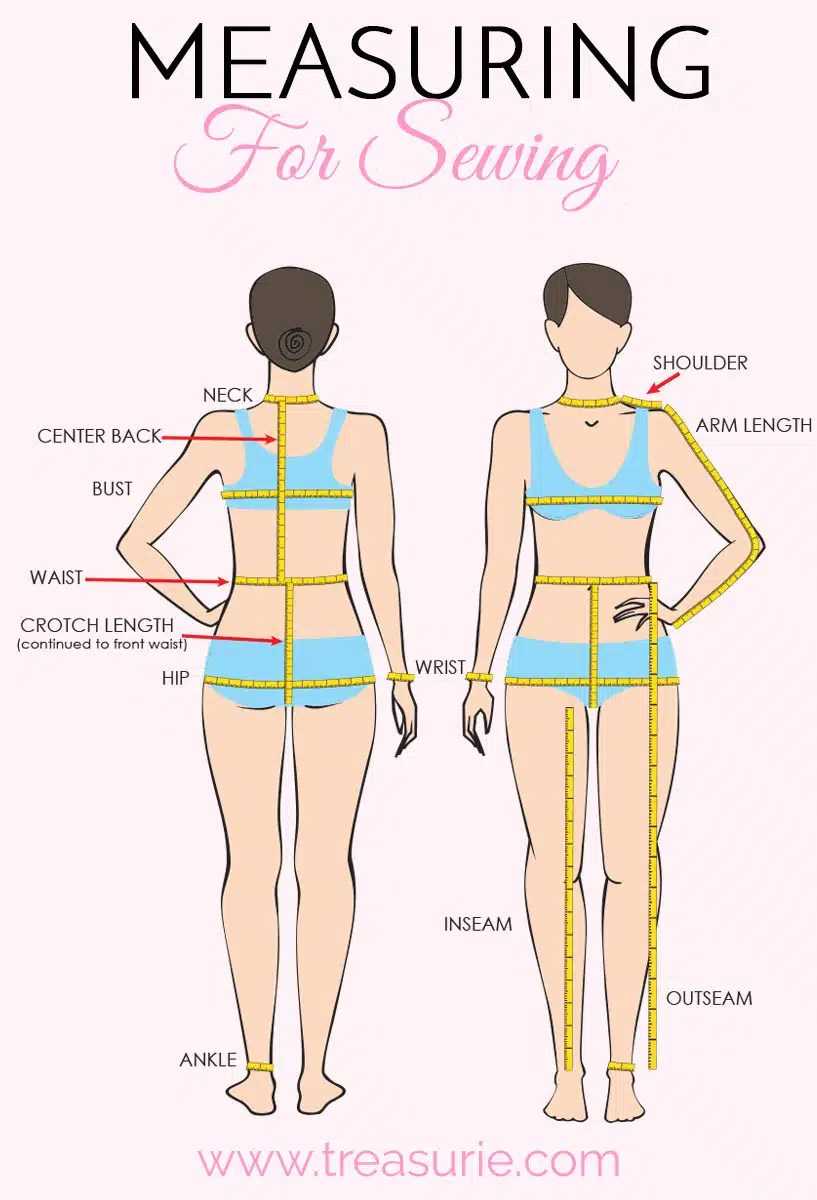
To achieve the best fit, begin by carefully following the guidelines provided on your sizing template. Ensure that the measurements are recorded clearly and accurately for each body area such as the chest, waist, hips, and inseam. A precise template will have marked areas for these measurements to help you track them efficiently.
Use a soft, flexible tape measure for accuracy. Make sure the tape is positioned comfortably but not too tight, particularly in areas like the waist or bust. It’s best to take measurements while standing in a natural posture, avoiding any pulling or adjusting of your body to ensure the most natural readings.
If you are using the data for custom garment creation, compare the measurements with the size chart of the pattern or ready-made clothing. This will help you determine whether adjustments are needed for a perfect fit. It’s often helpful to record both the measured number and any personal preferences (like tighter or looser fits) for more customization.
For ongoing use, keep a copy of your sizing template. It’s valuable for future fittings and for comparing any changes over time. This method saves you time and helps avoid unnecessary re-measuring each time you create or buy clothing, ensuring you always have an accurate reference at hand.