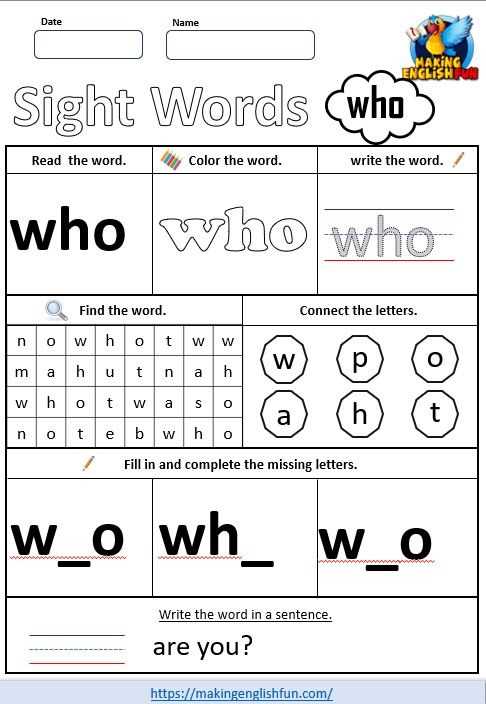
Download high-frequency reading lists grouped by grade and limit daily practice to 8–12 terms per session. Research-based collections such as Dolch (220 core items) and Fry (1,000 most common terms) provide structured progression from kindergarten through third grade.
Create A4 or US Letter worksheets with trace, write, and read lines for each target term. Use 18–22 pt font for beginners and include three tracing rows followed by two blank lines for independent writing. Keep each page focused on 5–7 items to avoid overload and maintain attention.
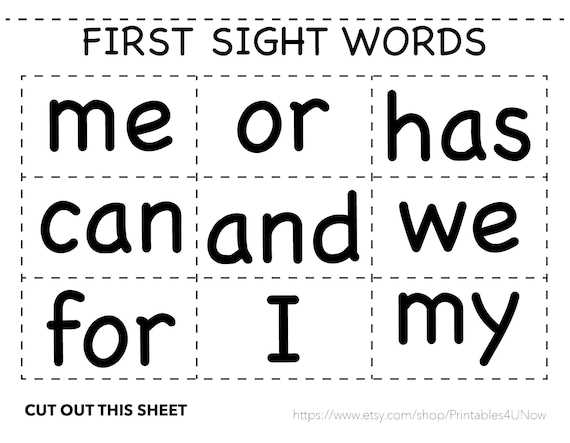
Print flashcards at 3×5 inches on 160–200 gsm cardstock for durability. Place one term per card in bold lowercase letters, adding a simple sentence on the back for context. Store cards in labeled rings by level to track mastery and rotate sets weekly.
Track progress with a simple checklist: mark a term as mastered after three consecutive correct readings within three seconds. Review previously learned items twice per week to support long-term retention and steady reading fluency growth.
Printable Sight Words
Select 10 high-frequency terms per week from Dolch or Fry lists and group them by grade level. Place five terms per worksheet page with tracing lines, a blank writing row, and a short sentence using each target item. Keep font size at 20 pt for kindergarten and 16–18 pt for first grade to support readability.
- Use bold lowercase letters for early readers.
- Add a dotted trace line before independent writing space.
- Include one simple sentence with no more than seven terms.
- Leave wide margins for hole punching and binder storage.
- Print at 300 dpi to keep letter edges sharp.
Create flashcards sized 3×5 inches on 160–200 gsm cardstock and sort them into labeled rings by level. Review each set four times per week using timed recognition drills: a child should read each term within three seconds without sounding out. Track mastery after three consecutive accurate readings and rotate mastered sets into weekly review to maintain fluency.
How to Organize Sight Word Lists by Grade Level and Frequency
Divide high-frequency vocabulary into grade bands aligned with common reading standards: kindergarten (first 40–60 items), first grade (next 60–100), and second grade (additional 100+). Use established sources such as Dolch (220 core terms) or Fry (1,000 most common in print) and label each group clearly by level.
Arrange each grade band by frequency of appearance in children’s texts rather than alphabetical order. Place the most common 10–15 items at the beginning of each list to accelerate recognition during guided reading. Highlight newly introduced terms in bold while keeping previously mastered ones in regular type for spaced review.
Create weekly subsets of 8–12 items and track mastery using a simple chart with three columns: Date Introduced, Fluent Within 3 Seconds, Needs Review. Move mastered items into a cumulative review stack that is practiced twice per week.
Separate visually similar terms such as “was” and “saw” or “there” and “where” into different weekly groups to reduce confusion. Introduce homophones only after base recognition speed improves.
Reassess placement every six to eight weeks by conducting a timed reading check of 50 mixed items. Reassign unfamiliar ones to the active practice list and adjust grade grouping to match actual reading performance rather than age alone.