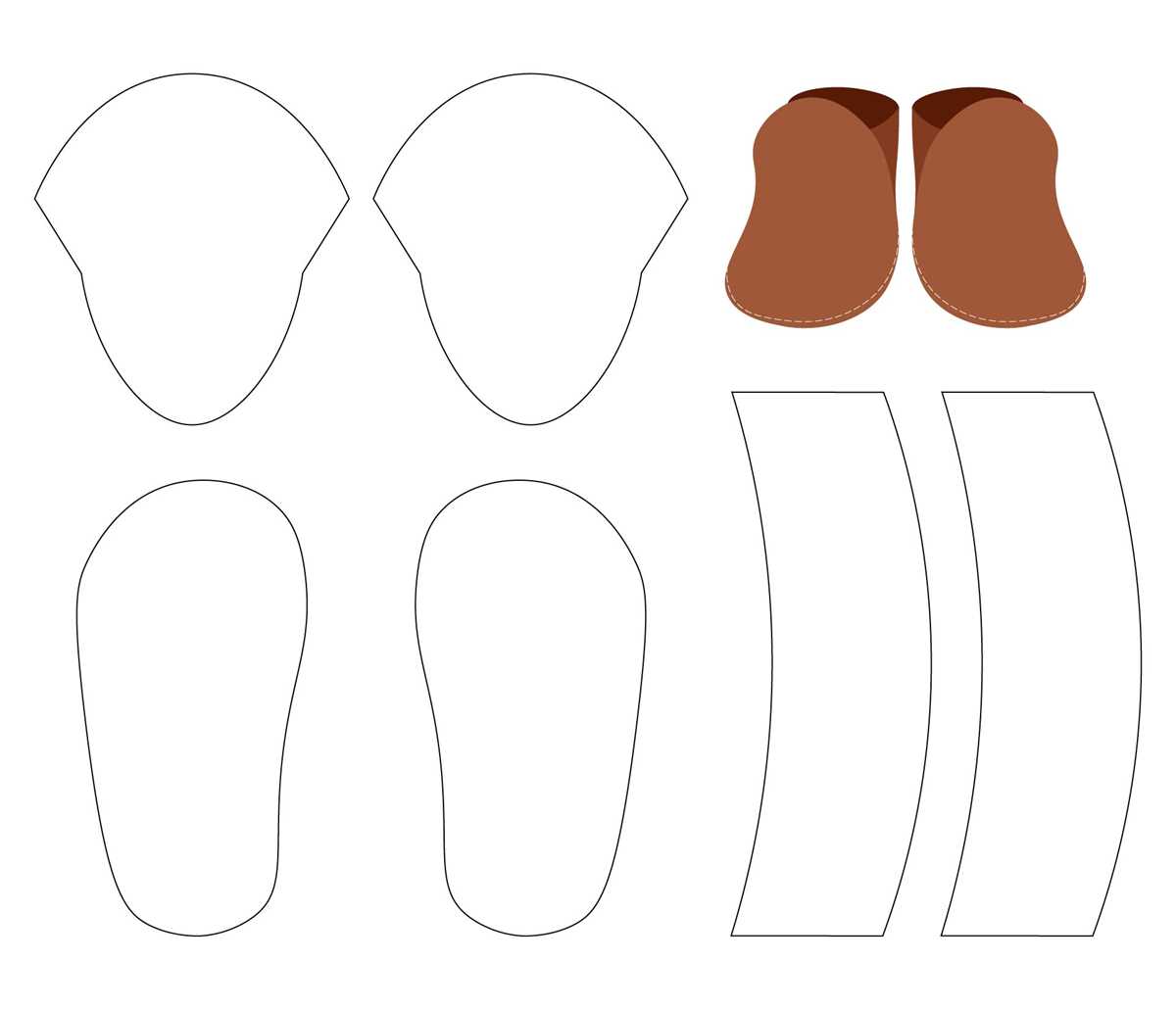
Use detailed outlines with clear dimensions to create precise designs for various types of footwear. Ensure the patterns match intended sizes and allow for stitching or assembly adjustments. Measure both length and width of the foot to prevent fit issues during construction.
Select patterns that include fold lines and alignment marks to maintain symmetry across left and right pieces. Double-check proportions before cutting to avoid material waste and uneven edges.
For beginners, start with simple silhouettes such as flats or basic sneakers. Use sturdy cardstock or tracing paper to maintain shape while transferring the design to fabric or leather.
Advanced projects can incorporate additional features like straps, cutouts, or reinforced soles. Adjust the base pattern incrementally and test with scrap material to ensure structural integrity and comfort.
Accurate Footwear Patterns for Crafting and Custom Design Projects
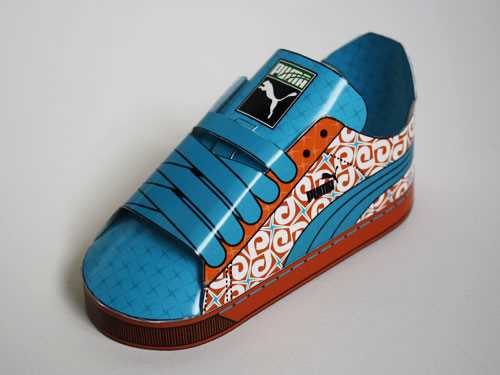
Start with outlines that include precise measurements for length, width, and arch height. Mark key points for seams and folds to ensure pieces align perfectly during assembly.
Choose designs that display clear guides for stitching and attachment points. Check symmetry between left and right sections to prevent imbalance and maintain proper form.
Transfer patterns onto durable paper or thin cardboard before cutting fabric or leather. This preserves the shape and allows multiple test runs without damaging the original design.
Incorporate optional modifications like reinforced soles, adjustable straps, or decorative cutouts. Test changes on scrap material to verify fit and stability before final construction.
Organize each component by label and function, keeping track of alterations for future projects. Document adjustments carefully to replicate successful custom designs consistently.
Choosing the Right Pattern for Different Footwear Styles
Select patterns that match the intended style and structure of the footwear. Flat designs require minimal curves and simpler sole outlines, while elevated or heeled designs demand precise arch and heel measurements.
For athletic or running types, prioritize patterns with reinforced toe and heel sections. Include markings for cushioning layers to ensure comfort and durability during active use.
Casual slip-ons benefit from templates emphasizing wide openings and flexible side panels. Check for even symmetry to avoid tight spots or uneven tension across the instep.
Boots require taller and more structured patterns. Incorporate clear guides for shaft height, lacing, and fold lines to maintain stability and proper fit along the ankle and calf.
Sandals or open designs need patterns showing precise strap placement and spacing. Mark attachment points clearly to avoid misalignment that could affect comfort and aesthetic.
Children’s footwear demands patterns with slightly enlarged toe areas and extra allowances for growth. Include reference lines for flexibility adjustments to accommodate active movement.
Decorative or fashion-focused footwear should use patterns with optional overlays, cutouts, or embellishments. Test designs on scrap material to verify that aesthetic elements integrate smoothly with functional sections.
Maintain a system for labeling patterns by style, size, and modifications. Document each adjustment carefully to replicate successful designs accurately for future projects and ensure consistency across batches.