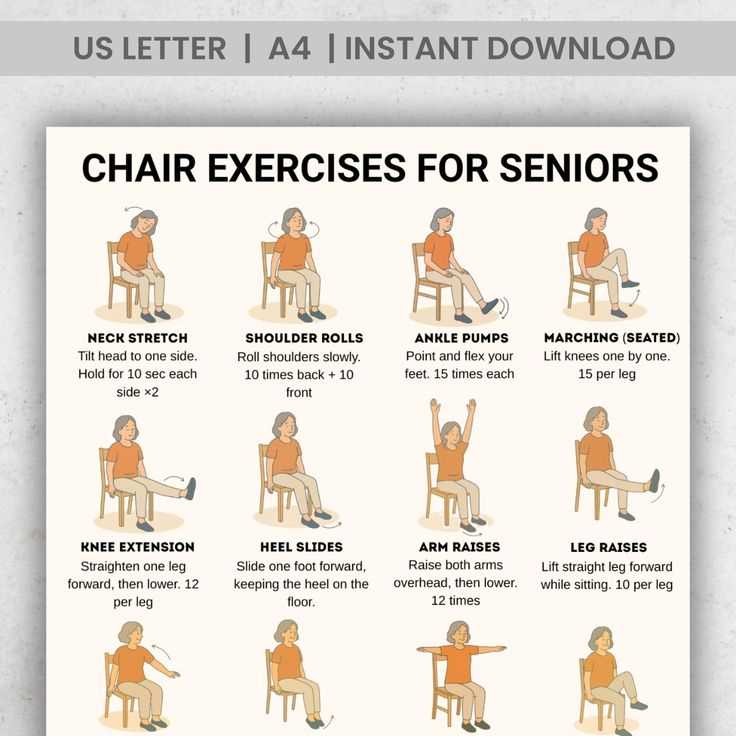
Incorporating daily movement into your routine is key to maintaining mobility and strength as you age. Start with low-impact activities like walking or chair exercises that improve flexibility without putting unnecessary strain on joints.
Try focusing on exercises that strengthen the legs and core. This will help prevent falls and maintain balance. Simple squats, leg lifts, and seated marches can be done at home with little to no equipment.
It’s also beneficial to include stretches that target areas prone to tightness, such as the lower back, hips, and shoulders. Stretching regularly can improve posture and reduce discomfort from muscle stiffness.
Strength and Mobility Plans for Older Adults
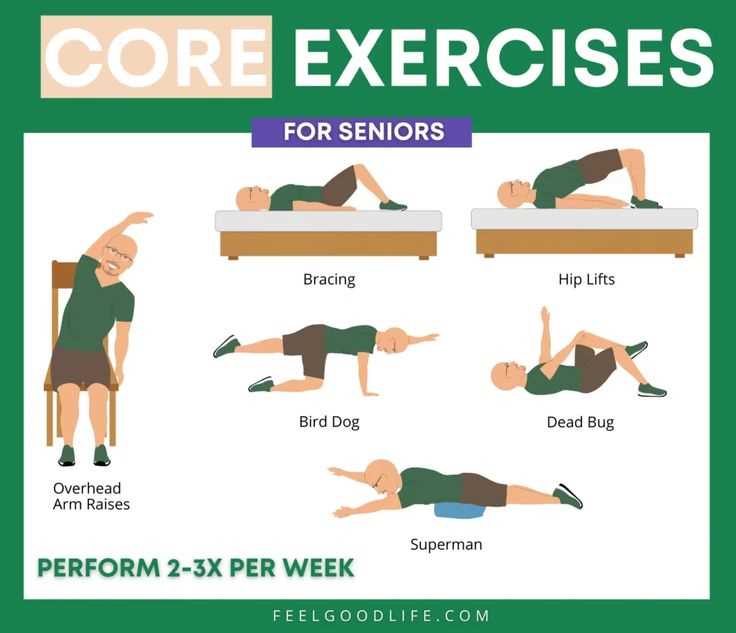
To build strength and improve mobility, begin with simple resistance exercises using light weights or resistance bands. Aim for exercises like seated rows, bicep curls, and leg extensions, which target major muscle groups without overexerting the body.
Incorporate balance exercises such as standing on one foot or heel-to-toe walking. These movements help improve coordination and prevent falls, which are especially important as muscle mass naturally decreases with age.
Stretching should be done regularly to maintain flexibility. Focus on the hip flexors, hamstrings, and lower back. Gentle movements like seated hamstring stretches and spinal twists can reduce stiffness and increase range of motion.
Ensure that your plan includes functional exercises like standing from a seated position and walking short distances. These mimic daily activities, helping you maintain independence and perform everyday tasks more easily.
How to Choose the Right Exercise Routine for Older Adults
Start by assessing the current fitness level. Choose low-impact exercises that are easy on the joints but still provide a good challenge, such as walking, swimming, or using an elliptical machine. These activities help to improve cardiovascular health without straining the body.
Include strength training with light weights or resistance bands to maintain muscle mass. Focus on compound movements that engage multiple muscles at once, such as squats or lunges. Aim for two to three sessions per week, allowing a day of rest in between.
Balance exercises are crucial for preventing falls. Incorporate activities like heel-to-toe walking, standing on one leg, or tai chi. These exercises help improve coordination and stability, making everyday tasks easier and safer.
Flexibility exercises should be part of the routine. Stretch major muscle groups like the hamstrings, quadriceps, and calves to reduce tightness and improve range of motion. Gentle yoga or Pilates can be beneficial for enhancing flexibility and posture.
Consider personal health conditions when selecting exercises. If there are any chronic conditions, such as arthritis or heart disease, it’s important to consult with a healthcare provider to tailor the exercise plan appropriately to avoid injury or complications.