
Start by incorporating simple stretches that target the lower back and legs. For example, the seated hamstring stretch helps alleviate tension in the legs and lower back, providing relief without the need for standing. Use a chair for support and hold each stretch for 20-30 seconds.
Strengthening the muscles that support the spine is equally important. Gentle movements, such as bridges or pelvic tilts, can help improve stability in the lower back area. These exercises engage the glutes and core, offering much-needed support to the spine and reducing discomfort.
For those with limited mobility, it’s important to focus on seated or lying-down routines that prevent strain. Always ensure proper form and avoid any abrupt or jerky movements. Regular practice of these routines can enhance flexibility, reduce discomfort, and improve overall mobility over time.
Simplified Stretches to Ease Lower Back Discomfort
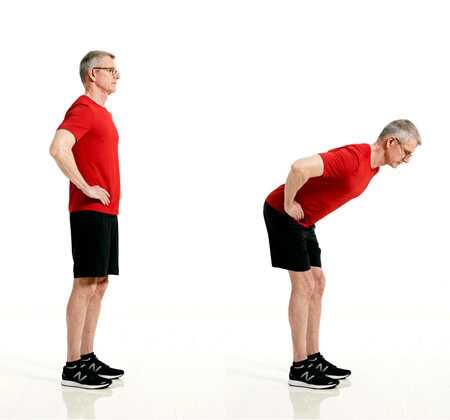
Start with seated hamstring stretches. Sit in a sturdy chair, extend one leg forward with the heel on the floor, and gently lean forward from the hips, holding the stretch for 20-30 seconds. Repeat on the other side. This stretch targets the hamstrings and lower back muscles, helping to reduce tightness and improve flexibility.
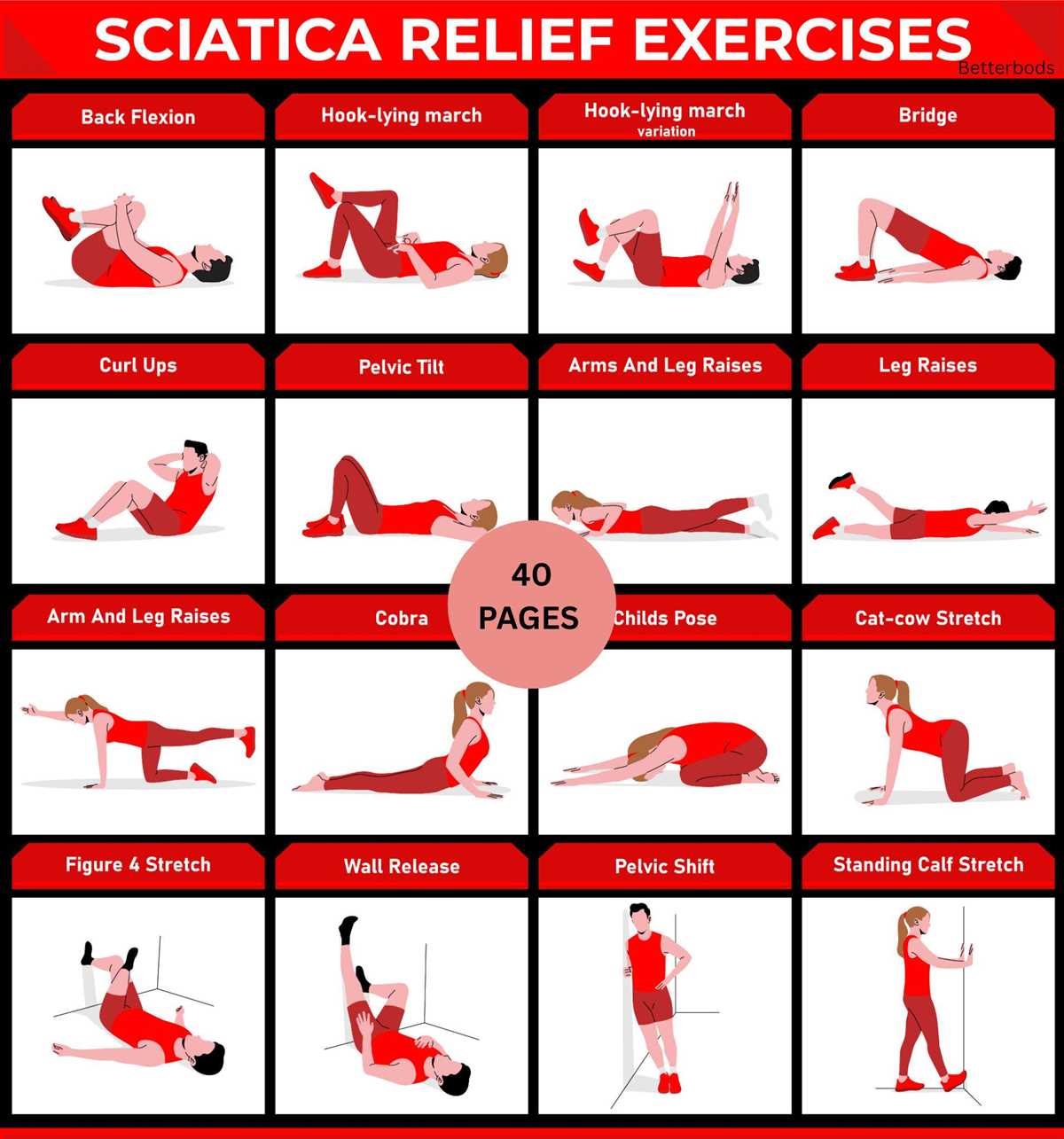
For added comfort, use a printed chart with step-by-step visuals to guide proper posture during each stretch. This can be helpful for those with memory issues or difficulty remembering steps. Use the chart regularly to track progress, making small adjustments based on comfort levels. Consistency is key to long-term relief.
How to Use Sciatica Stretches for Daily Stretching

Begin each morning with a simple routine. Start by following a chart with clear instructions for key stretches. Perform a few repetitions of each stretch for 20-30 seconds. Focus on slow and controlled movements to avoid straining muscles.
Use a printed guide to track your progress. Mark off each stretch as you complete it and note any changes in comfort or flexibility. This helps maintain consistency and ensures that you’re working through the full range of recommended stretches.
If you’re unsure about your form, keep the visual guide nearby for reference. Ensure your body stays aligned during each movement, particularly when stretching your lower back, hips, and legs. Proper form prevents unnecessary tension and promotes safer stretching.
Repeat these stretches twice a day, once in the morning and once before bedtime. Stretching consistently helps to alleviate tightness and improve mobility. It also reduces the risk of discomfort throughout the day by promoting better muscle health.
After a week, assess how you feel. If certain stretches feel too challenging or cause discomfort, adjust the intensity or try alternate stretches. Regularly updating the routine based on comfort will help maintain steady progress without overexertion.