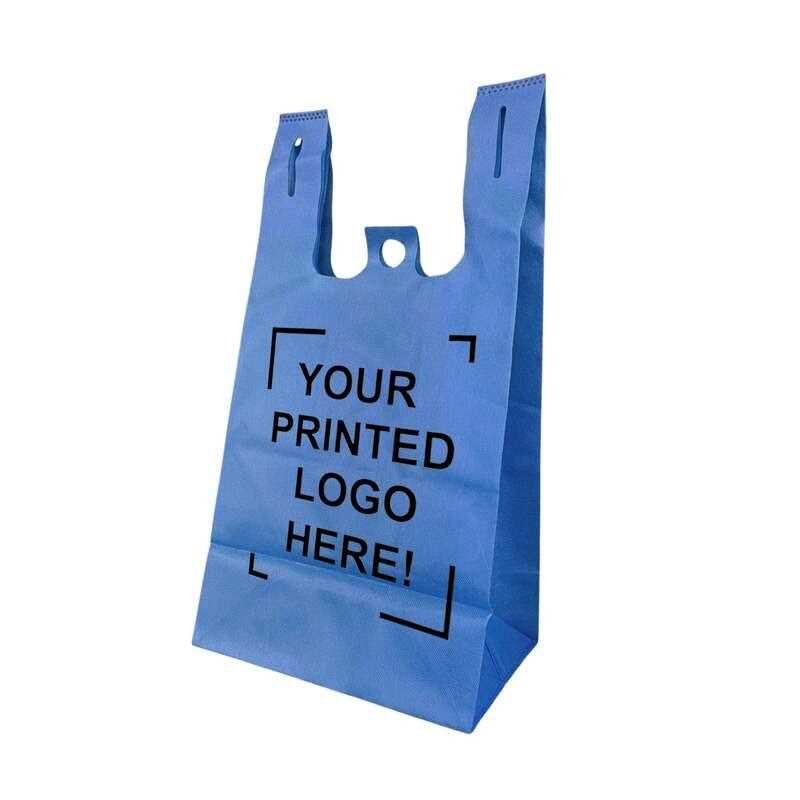
For those looking to create personalized and sustainable shopping solutions, start with a durable fabric like cotton or jute. These materials are sturdy and easy to print on, making them perfect for custom designs. Choose a weight that suits your needs: lightweight options for smaller items or thicker fabrics for carrying heavier loads.
Use heat transfer vinyl or fabric ink for the best results when adding your design. Heat transfer vinyl allows for crisp lines and vibrant colors, while fabric ink is great for larger or more intricate designs. Both options work well on cotton or canvas materials and provide long-lasting results with proper care.
Once you have your design and material ready, plan your printing process. Use a fabric-friendly printer or consider taking your designs to a local print shop if you need large quantities or want a more professional finish. You can also explore DIY methods like stenciling or screen printing if you prefer a hands-on approach.
Guide to Designing and Printing Reusable Bags
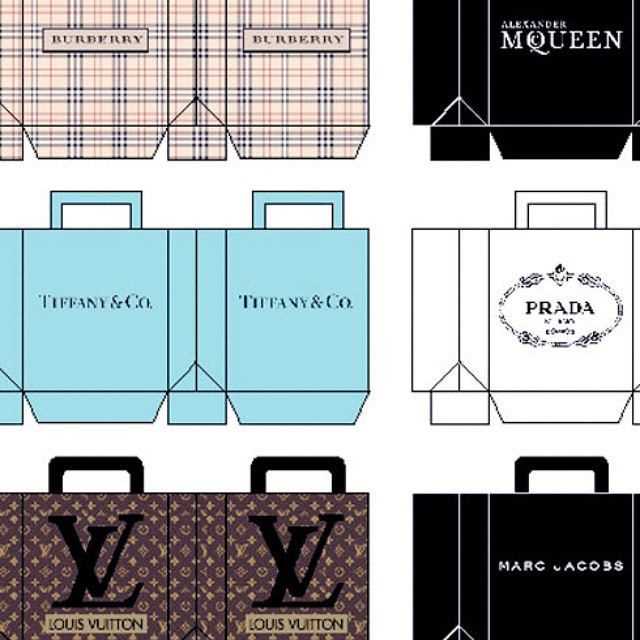
Start with selecting the right fabric. Cotton or jute is ideal for custom designs because they are durable and absorb ink well. If you’re using a home printer, choose fabric sheets compatible with your printer or opt for transfer paper. For larger batches, consider working with a professional printing service that uses screen printing or heat transfer methods for more durable results.
For your design, choose clear, bold graphics that will stand out on the fabric. Simple logos, patterns, or messages work best for DIY projects. Once the design is ready, ensure it’s aligned correctly before printing. Test your prints on scrap fabric to check color quality and alignment before committing to the final product.
Choosing the Right Materials for Customizable Reusable Bags
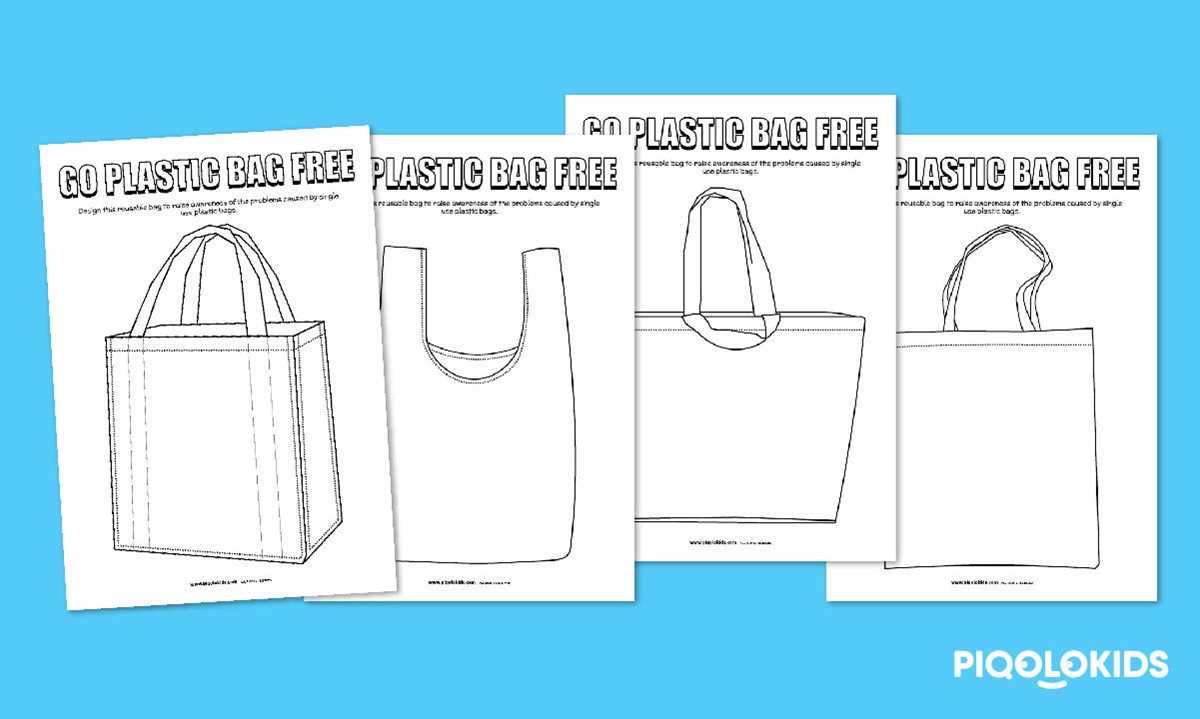
Start by selecting a fabric that suits your project. Cotton is a popular choice due to its softness, versatility, and eco-friendliness. It’s an ideal option for light to medium-duty uses such as carrying groceries or personal items. For a sturdier alternative, consider canvas, which is more durable and resistant to wear, making it great for heavy-duty tasks.
If you’re looking for an eco-conscious option, jute offers a natural look with a firm texture that holds up well over time. It’s a strong, biodegradable material that can handle heavier loads while also providing a rustic, stylish appearance. Jute bags are often used for promotional purposes due to their organic aesthetic.
Polyester and nylon are also good choices for creating custom designs. These synthetic fabrics are water-resistant and offer more color vibrancy when printed on. They’re often used in bags that are intended for outdoor activities or travel, as they provide added durability against the elements.
The weight of the fabric is an important consideration. For lighter use, choose fabrics like cotton or cotton blends with a lower GSM (grams per square meter). For carrying heavier items or long-term use, opt for thicker materials like canvas or denim with a higher GSM, ensuring the fabric is strong enough to support weight without tearing.
Consider the texture of the material, especially if you plan to print intricate designs. Smooth surfaces like cotton or polyester allow for clearer prints and are easier to work with. Rougher materials, such as burlap or jute, provide a more rustic feel but may require different printing methods, such as screen printing or heat transfer.
If you plan on using the bags for food-related purposes, choose materials that are non-toxic and safe for direct contact with food. Organic cotton is a great option for such uses, as it’s natural and free from harmful chemicals. Be sure to confirm that the material is certified for food safety before proceeding with production.
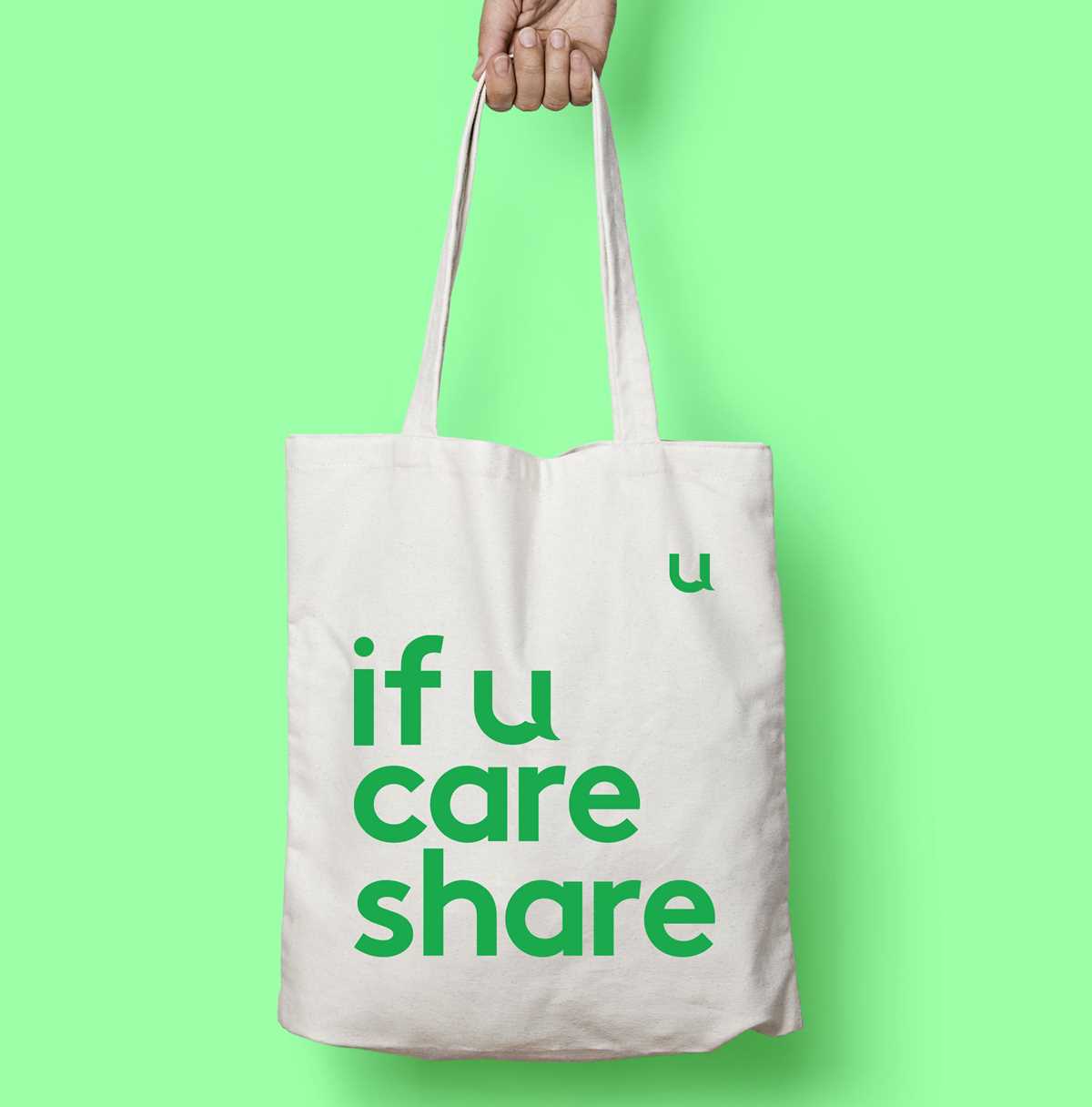
When considering color options, remember that lighter fabrics like white or beige may provide more contrast for vibrant designs. Darker materials may require more effort to print on, but they can offer a sleek, modern look for simpler, minimalist designs.
Lastly, think about the environmental impact of your material choice. Natural fabrics such as cotton and jute are biodegradable and environmentally friendly, making them a better choice for sustainable products. Synthetic materials, while durable, tend to take longer to decompose, so be sure to balance durability with eco-friendliness in your decision-making process.