
For anyone looking to make custom identification or membership items at home, investing in the right materials is key. Use a high-quality plastic sheet, compatible with your printer, to create durable and professional-looking designs.
Start by selecting your preferred design software to create the artwork. Many people opt for simple programs that allow easy resizing and image placement. When your design is ready, print it directly onto the plastic sheets using a suitable printer.
After printing, make sure to use a proper cutting tool for precision. A sharp craft knife or a die cutter will ensure clean edges. Be sure to follow safety precautions when handling these tools.
Lastly, if you want to give your project a polished finish, consider adding a protective laminate or coating. This will prevent wear and tear over time, especially if the items will be handled frequently.
Guide to Creating Custom Plastic Identification Items at Home
To begin making customized plastic identification pieces at home, start by selecting the right material. Choose a high-quality, printable plastic sheet that is compatible with your inkjet or laser printer. These sheets are specifically designed for easy printing and are available in various sizes, including standard ID card dimensions.
Once you have the materials, design your layout using software such as Adobe Illustrator, Photoshop, or a simpler tool like Canva. Incorporate logos, text, or other graphics to match your needs. Ensure the resolution is high enough for clear and sharp printing.
After your design is ready, load the plastic sheet into the printer, following the manufacturer’s instructions for paper orientation. Make sure to print in the highest quality setting available on your printer to ensure vibrant and crisp images.
Once printed, allow the ink to dry completely to prevent smudging. If you’re printing multiple pieces, be cautious of overlapping or incorrect alignments. It’s important to double-check the layout before printing to avoid waste.
For a clean finish, use a precision cutter or a specialized machine to trim the plastic pieces to the correct size. If the design includes intricate details, a paper trimmer or die-cut machine can make the process more accurate and less time-consuming.
If durability is a concern, especially for items that will be used frequently, consider adding a protective layer. A laminate sheet or clear film can be adhered to the surface, adding a layer of protection and ensuring the longevity of the printed design.
Choosing the Right Materials for DIY Plastic Identification Pieces
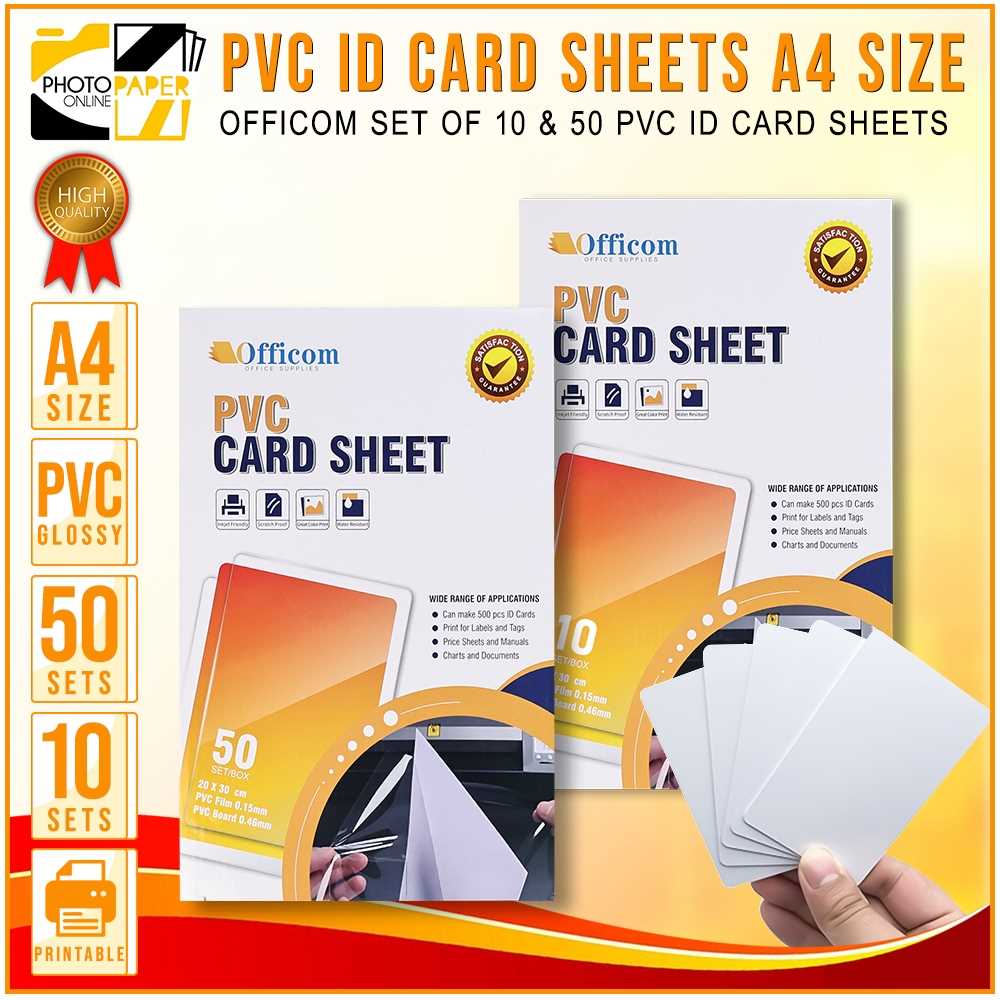
Selecting the correct material is critical for creating long-lasting and professional-looking plastic identification pieces. The most common materials for DIY projects are printable plastic sheets that are compatible with inkjet or laser printers. These sheets come in various finishes, including matte, gloss, and frosted. For durability and clarity, it’s recommended to use a glossy finish as it tends to bring out colors and details more vividly.
When choosing the thickness of the material, it’s important to consider how often the item will be used. For frequent handling, choose thicker sheets that provide greater durability. Standard ID size sheets are usually around 30 mil thick, but you can opt for thinner versions if you’re aiming for a lighter, more flexible item. However, a thicker material will resist bending or warping more effectively.
Another consideration is whether the material requires a lamination step for added protection. Some plastic sheets come with a self-laminating feature, which eliminates the need for additional layers. If your material does not have this feature, applying a lamination film after printing will ensure the design is protected from scratches and wear over time. This will also help in preserving the sharpness of printed colors.