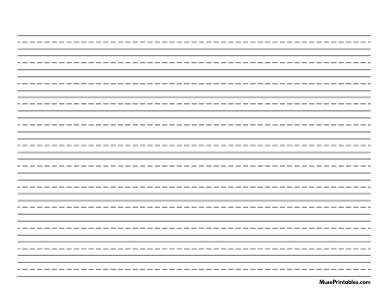
Start with a simple, well-structured template for young learners. Choose sheets with clear, wide lines that provide enough space for small hands to write. This will help children form their letters properly and develop better writing habits early on.
When selecting the right format, consider the type of writing activity. Some templates feature dotted lines to guide letter formation, which is especially helpful for beginners. Others may include extra space between rows to encourage children to write larger and more legibly.
For improved results, print multiple copies to allow for continuous practice. Make sure the designs are easy to print on standard paper sizes without distortion, and check that the margins are set to fit your printer’s specifications. This ensures that the text remains clear and readable after printing.
How to Choose the Right Writing Sheets for Kids
Select the right size for your child’s age and skill level. For beginners, choose sheets with large, bold lines that allow plenty of space for letter formation. Wider lines help young writers develop proper control and spacing between characters, which is critical during the early stages of learning.
Consider templates with built-in guidelines. Some sheets feature dashed or dotted lines that give children a visual reference for letter height and form. These templates are ideal for beginners who are just starting to learn the correct stroke order and size consistency.
For older children who are refining their writing, opt for narrower lines that still provide clear guidance but allow for more compact writing. These templates can help improve their speed and precision while giving them the flexibility to develop their unique writing style.
Step-by-Step Guide to Printing and Using Writing Templates
Start by selecting the right templates for your child’s skill level. For beginners, choose large, bold designs with enough space between letters. As they progress, opt for narrower lines that encourage better control and consistency.
Download the selected templates from a reliable source. Ensure that the format is compatible with your printer. PDFs are often the best option because they maintain quality and are easy to scale without losing resolution.
Once you have the file, open it on your computer and check the print settings. Adjust the page size to match your printer’s specifications, ensuring it fits standard letter or A4 size paper. Some templates may require adjustments to fit well on your chosen sheet size.
Before printing multiple copies, print one test page to ensure the design fits and the print quality is clear. If the layout appears skewed or unclear, adjust the margins or scale settings within the print menu until it looks right.
After confirming the design, select your preferred paper type. If you’re using a thicker sheet, like cardstock, make sure your printer can handle it. For daily practice, standard printer paper is sufficient, but using higher-quality paper can increase durability.
| Template Type | Best Paper Type | Recommended Print Setting |
|---|---|---|
| Large, bold designs | Standard printer paper | Normal or high quality |
| Narrow lines for advanced practice | Cardstock or thick paper | High quality |
Finally, once the page is printed, allow it to dry before starting any writing activities to avoid smudging. Ensure that the design is clear and aligned correctly before using it for practice, as this will help maintain accuracy in each stroke.
Tips for Improving Writing Skills with Paper Templates
Start with consistent practice. Use the templates daily to reinforce muscle memory and improve letter formation. Focus on forming each character correctly before moving on to the next, allowing enough space between letters to maintain clarity.
Encourage your child to trace over the dotted lines, as this reinforces proper stroke order and letter shape. After tracing, let them practice writing the letters independently on the same template. Gradually reduce the amount of guidance as their confidence and skill grow.
Introduce a variety of fonts and styles. Different templates can expose children to a range of letter shapes and sizes, which helps them develop versatility in their writing. This also teaches them how to adapt their writing style to different contexts, such as formal or informal writing.
Incorporate fun writing activities, such as word-building exercises or sentence construction. Use templates that include both uppercase and lowercase letters, allowing your child to practice writing entire words. These exercises reinforce spelling and improve overall fluency.
Provide positive reinforcement for progress. Celebrate milestones, such as writing a full sentence without assistance, and gradually increase the complexity of the exercises. Encouraging a sense of accomplishment motivates children to continue improving their writing skills.