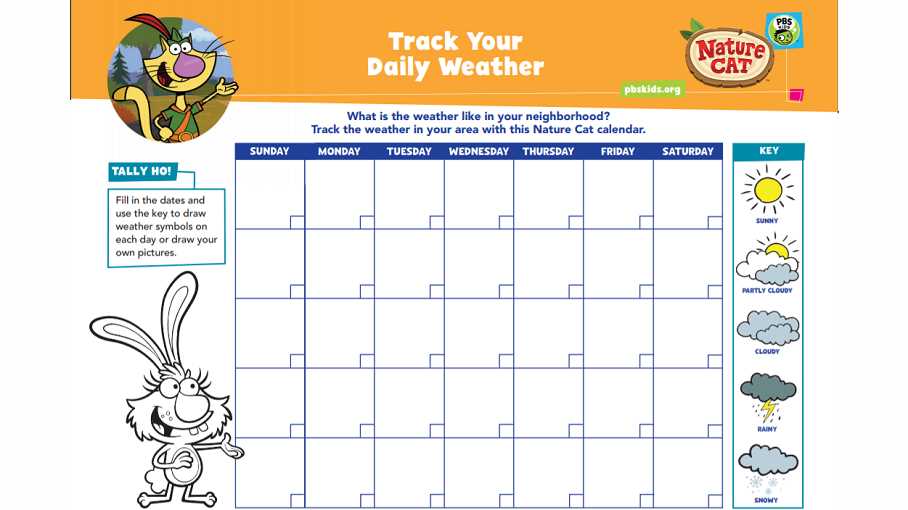
Start by using a tool that helps children identify and record daily environmental changes, such as temperature, cloud cover, or precipitation. These simple tools allow young learners to visually track the conditions they observe outside, making it easier for them to connect with their surroundings. By using pictures or symbols, you can simplify the process, allowing children to mark the daily observations themselves.
Focus on creating a tool that includes basic categories like sunny, cloudy, rainy, and snowy conditions. You can add temperature indicators or even wind speed if your young learners are ready for more detailed tracking. Use large visuals or easy-to-read symbols, and make sure that the design is colorful and engaging, encouraging the children to interact with it every day.
Once you have the design in place, it’s helpful to establish a routine where children update the chart at the same time each day. This consistency will help them become familiar with seasonal changes and understand the concept of patterns. Make sure to incorporate discussions about how the weather affects their daily activities, fostering both observation skills and vocabulary building.
Creating an Engaging Tool for Tracking Daily Environmental Conditions
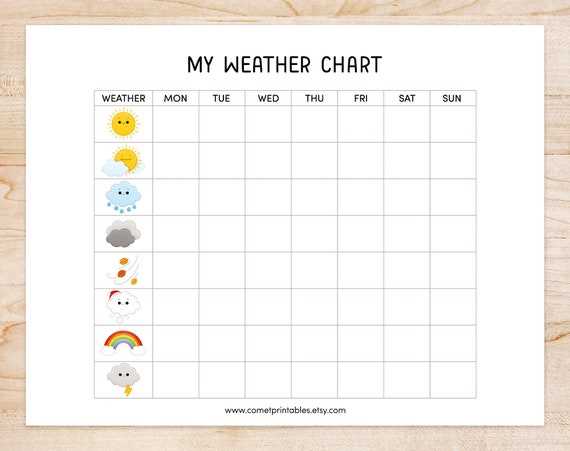
Choose simple symbols or images to represent different environmental conditions, such as the sun, clouds, or raindrops. By using recognizable visuals, young children can easily understand and relate to the data being tracked. Each day, the children should place a marker or sticker to indicate the current condition, reinforcing their connection to the environment around them.
Make sure the layout is clear and easy for kids to follow. Having separate sections for temperature, sky conditions, and other factors like wind or humidity will help break down the information into manageable parts. You can include a daily space for children to draw or write about how they feel about the conditions, making the activity more interactive and personal.
To make this tool effective, establish a routine where kids fill it out at the same time each day, such as during morning circle time or after outdoor play. This repetition will help them become familiar with the daily changes in their surroundings, encouraging observational skills and providing a visual representation of patterns over time.
For further learning, tie in discussions about how the changing conditions affect daily life. Ask children how they dress for different weather, what outdoor activities they can do, or how the season might change the environment. These questions add a layer of understanding and create a more meaningful learning experience.
How to Use a Tool for Daily Tracking in Classrooms
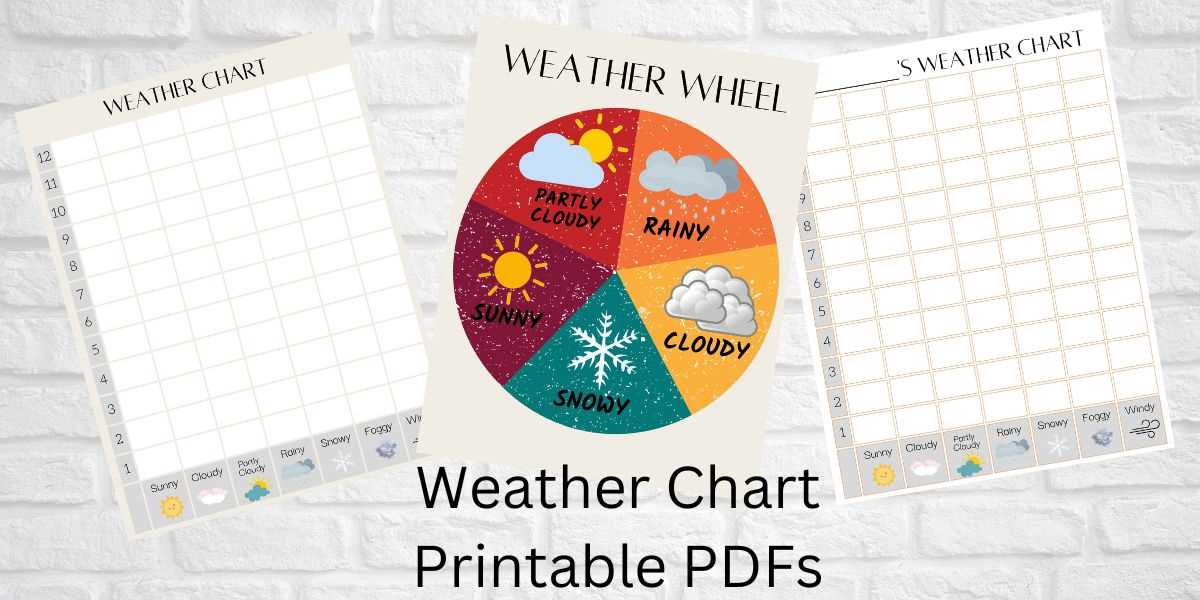
Start by designating a specific time each day for the children to update their daily observation tool. This could be done in the morning before starting other activities or just after outdoor play. Regularity helps children develop a routine and encourages them to observe their environment more closely.
Each child can have their own space on the tool to mark the conditions they observe, whether it’s sunny, cloudy, or rainy. For a more interactive approach, allow them to use stickers or draw symbols to represent what they see. This helps reinforce their understanding while making the activity more engaging.
Use this tool as a way to talk about the day’s conditions and how they might affect what the children do. For example, if it’s rainy, discuss indoor activities they can enjoy. If it’s sunny, talk about the importance of wearing hats or sunscreen. This adds a practical learning element that makes the tracking meaningful.
To track long-term trends, you can add a space to record the temperature or note whether it’s warm or cold. Over time, this will help children understand how conditions change throughout the year. Encourage them to look for patterns in their observations, such as more rainy days in the spring or snow in winter.
Incorporate a simple graph or table to allow the children to compare daily conditions. You can do this on a weekly or monthly basis to give them a visual representation of how often different conditions occur. This will help them grasp concepts of frequency and duration in a fun and hands-on way.
Ask questions during the activity to deepen understanding, such as, “What do you wear when it’s cold outside?” or “What can we do when it’s stormy?” These questions help develop their vocabulary and build critical thinking skills related to their observations.
At the end of the week or month, review the data with the children and discuss any noticeable trends. This discussion will help them reflect on how weather or conditions affect their daily lives. It also gives them an opportunity to practice sharing their findings and talking about their observations with others.