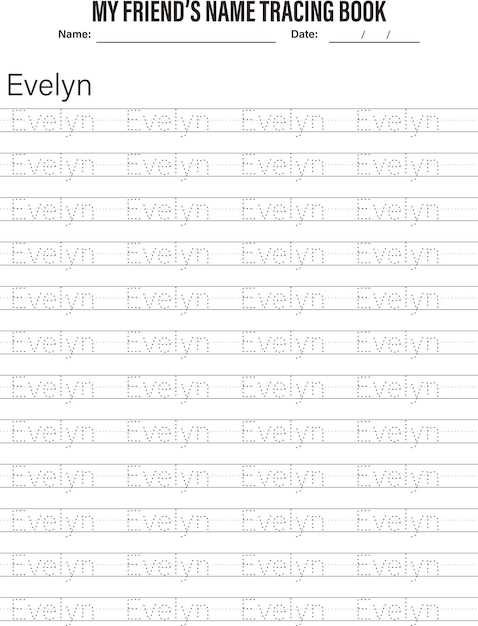
To improve handwriting skills, create custom sheets that guide young learners through letter formation. These resources provide a simple structure for practicing letters repeatedly, reinforcing correct stroke order and consistency.
Focus on making each letter clear and easy to follow. Use dotted outlines for each letter, allowing children to trace over them with a pencil. This method helps develop fine motor skills and boosts confidence in letter formation.
Incorporating fun, personalized activities can keep children engaged. For example, consider adding a child’s name at the top of the sheet for extra practice or designing themed exercises based on their interests. This personalization makes the process more enjoyable and meaningful.
Consistency is key when practicing letter formation. Set aside regular practice time and track progress with these customizable sheets. As children become more comfortable with each letter, gradually increase difficulty by reducing the tracing assistance and introducing full letter writing.
How to Use Letter Formation Sheets for Handwriting Practice
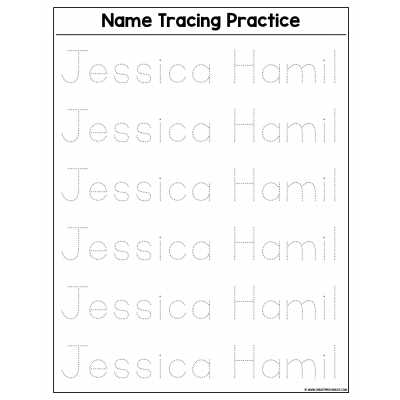
Begin by selecting a sheet that includes clearly outlined letters. These templates provide a guide for young learners to follow the shapes and curves of each character. Focus on encouraging children to trace each letter slowly, paying attention to both size and form.
Start with larger letters for beginners. This allows children to develop a sense of space and proper stroke order. As they gain confidence, gradually introduce smaller letters to help improve their precision and fine motor control.
Consider using a pencil for initial practice. This allows for corrections and adjustments. As their skills improve, switch to pens or markers to give them the opportunity to practice without erasing mistakes, which helps build muscle memory.
- Use each sheet in a focused, distraction-free environment.
- Limit practice sessions to short intervals, such as 10-15 minutes, to maintain engagement.
- Encourage children to say the letter sounds or words associated with the letters they are practicing.
Track progress by noting improvements in letter size, consistency, and clarity. Marking achievements helps motivate children and reinforces the importance of regular practice. Over time, reduce the guidance on each letter as they become more independent.
Introduce fun activities by customizing the sheets. For example, you can add playful images or connect letters to words that interest the child, making the experience enjoyable while reinforcing handwriting skills.
Benefits of Letter Formation Sheets for Early Learners
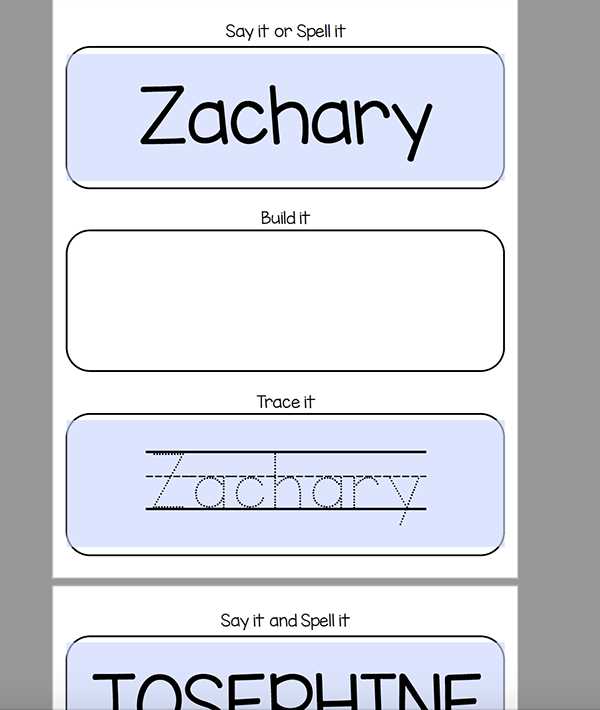
One major advantage is improved fine motor skills. Repeatedly writing each character helps children build the necessary muscle control for holding a pencil and making precise movements, which is crucial for writing tasks later in life.
Another benefit is that these sheets reinforce the understanding of letter shapes. By practicing consistent strokes, children learn how each letter is constructed, aiding in both recognition and writing speed.
These exercises also help establish a sense of rhythm. As children follow the flow of each character, they develop the ability to form letters in a steady and fluid manner, which is important for writing legibility and speed as they progress.
Using these resources increases self-confidence. As children see their own progress in improving their handwriting, they gain a sense of accomplishment. This positive reinforcement motivates them to continue practicing.
- Supports cognitive development by linking motor skills with visual recognition.
- Helps in learning proper writing posture and grip, reducing the likelihood of bad habits forming later.
Lastly, customizable options allow for personal engagement. By incorporating interests, such as favorite animals or objects, into the exercises, learning becomes more enjoyable and meaningful for young learners.
Tips for Customizing Letter Formation Sheets for Individual Needs
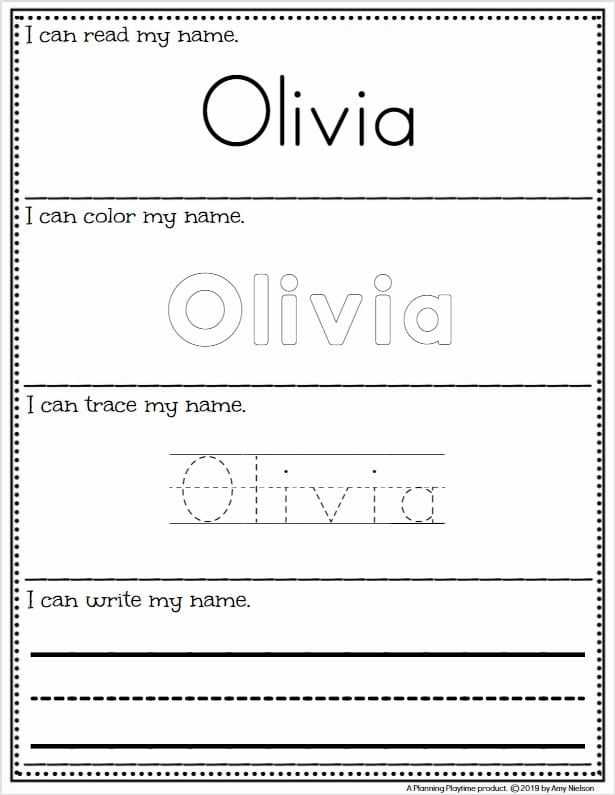
Start by adjusting the size of the letters. For beginners or children with smaller hand coordination, larger letters are easier to trace and help develop control over their writing instrument.
Consider adding colored sections within each letter to guide stroke direction. These visual cues assist in forming the correct path for each letter, making the process more intuitive and less frustrating for learners.
If a child is struggling with certain letters, isolate those characters on separate sheets. By focusing on a single letter at a time, learners can dedicate more effort to mastering its form and structure without feeling overwhelmed.
| Letter | Customization Tip |
|---|---|
| A | Use a two-part structure with arrows to guide the direction of each stroke. |
| B | Include larger curved outlines for beginners to understand the circular formation. |
| C | Highlight the curve with a dotted line to show where to begin and end the stroke. |
For children who struggle with pencil grip, encourage using a thicker pencil or a pencil grip aid. This can make holding the writing instrument more comfortable, which ultimately improves handwriting quality.
To engage learners, include playful elements like themed designs or favorite characters around the letters. For example, you can incorporate an animal or toy next to each letter that starts with that letter, adding a personal touch to the practice.
Incorporate varying difficulty levels. Start with dotted outlines and progress to empty outlines as children’s skills improve. This gradual reduction of guidance fosters independence and helps reinforce letter formation without the need for tracing.
Lastly, track progress by having the learner compare their initial attempts to their current ones. Seeing improvement, even in small increments, motivates continued practice and boosts confidence.