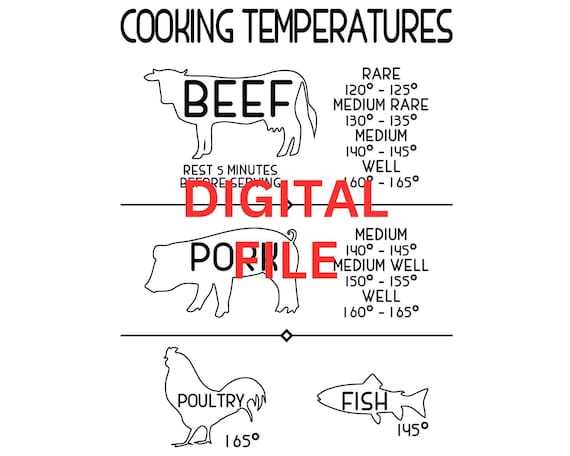
To cook protein dishes safely and ensure flavor and texture are optimal, it’s critical to know the right internal heat level for each type of protein. Following precise benchmarks allows you to avoid undercooking or overcooking. A reliable guide is key for anyone who wants to consistently achieve perfect results every time.
Beef, poultry, pork, and fish all have different required internal heat levels for safe consumption. For instance, ground beef should reach 160°F, while chicken must hit at least 165°F to ensure safety. Each type of food has its unique target, and knowing these details can help you avoid foodborne illnesses and preserve the desired taste.
Using a reliable reference for these guidelines eliminates the guesswork and gives you the confidence to handle even the most complex recipes. It’s important to use a thermometer to check the internal heat, rather than relying on color or texture, as these can often mislead the cook.
Understanding Cooking Guidelines for Different Proteins
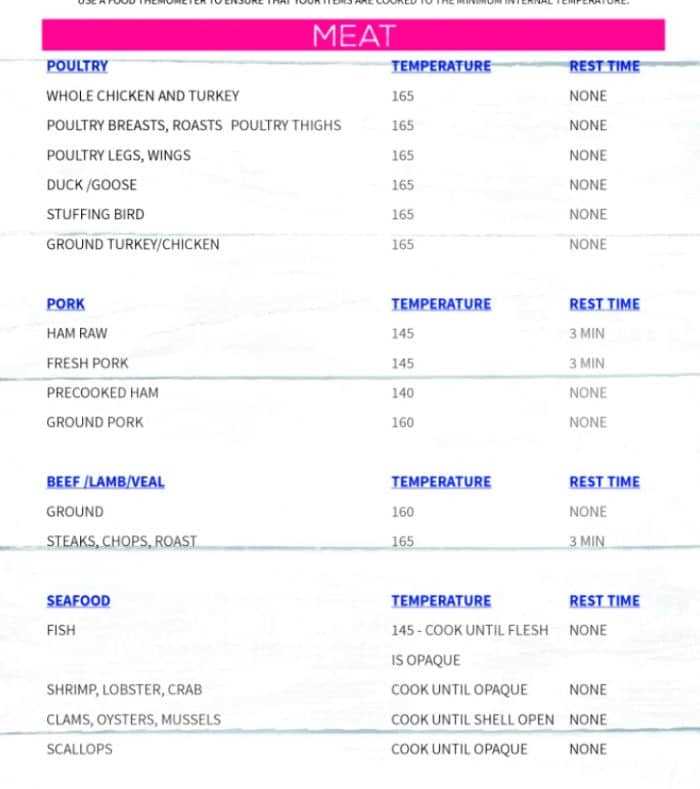
To achieve perfectly cooked dishes, it’s important to monitor the internal heat of each type of protein. Beef, poultry, pork, and fish require different levels of heat to be fully cooked and safe for consumption. Using a reference guide can help ensure you don’t undercook or overcook your food.
For poultry, such as chicken and turkey, the safe internal temperature is 165°F. This level ensures that harmful bacteria, like Salmonella, are eradicated. Use a thermometer to check the thickest part of the meat to guarantee accurate readings.
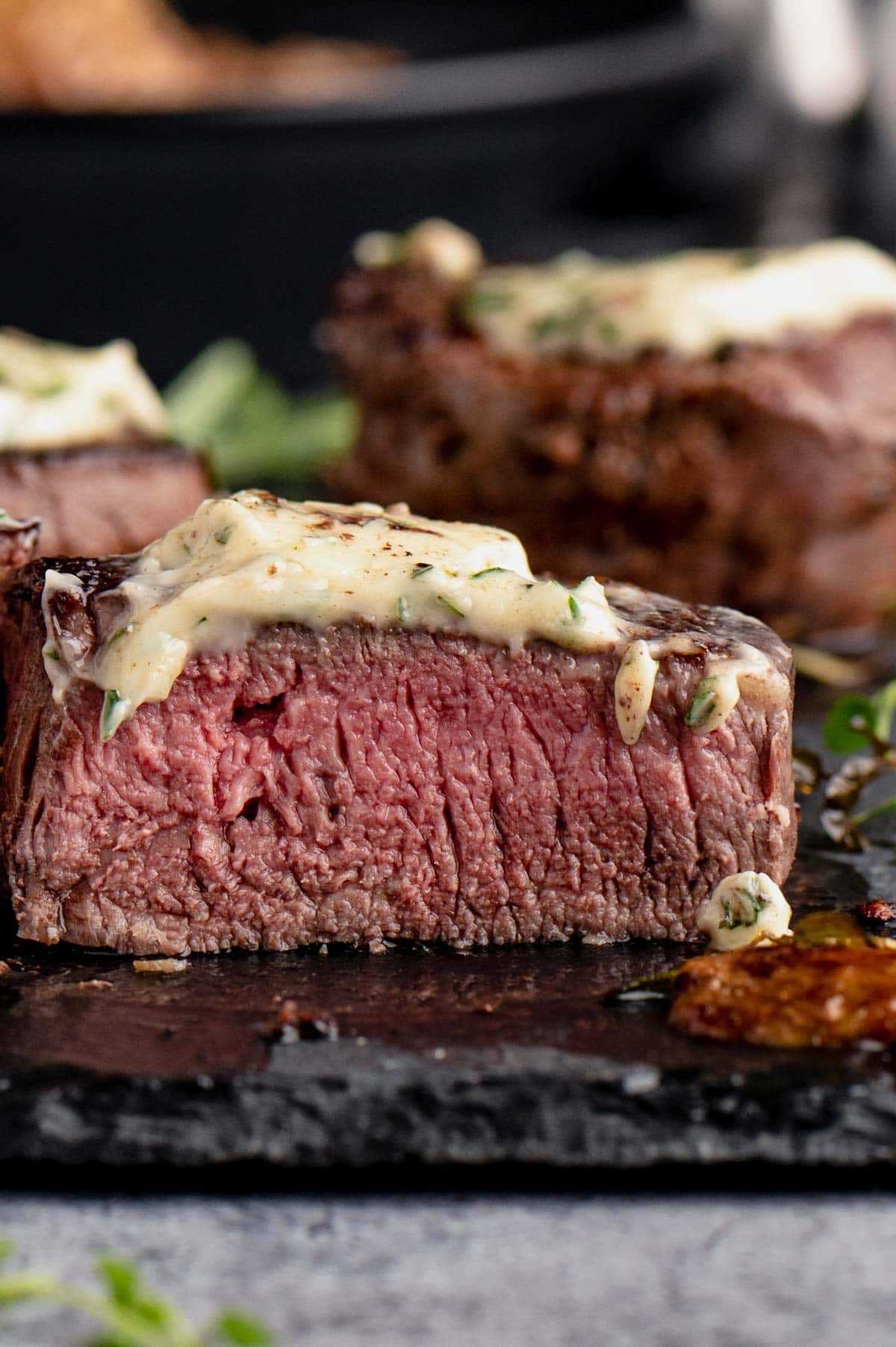
Beef steaks and roasts have varying recommended heat levels depending on how done you like them. For rare, aim for 125°F, medium-rare should be around 135°F, and medium at 145°F. Well-done beef requires 160°F or more.
Pork requires an internal heat of at least 145°F. For ground pork or sausages, it’s crucial to cook them to 160°F. This ensures that any harmful pathogens, like Trichinella, are destroyed while keeping the meat juicy.
Fish and shellfish should be cooked to 145°F. The flesh should be opaque and separate easily with a fork. If you are cooking lobster or shrimp, they should also reach 145°F to be fully cooked and safe for eating.
For lamb, the recommended internal heat is 145°F for medium-rare, with the temperature rising to 160°F for medium. Lamb is often served at these lower levels of heat to maintain its tenderness and flavor.
To use your thermometer effectively, insert it into the thickest part of the cut, ensuring it doesn’t touch bone or fat. For larger roasts, check the internal temperature in multiple spots to verify uniform cooking.
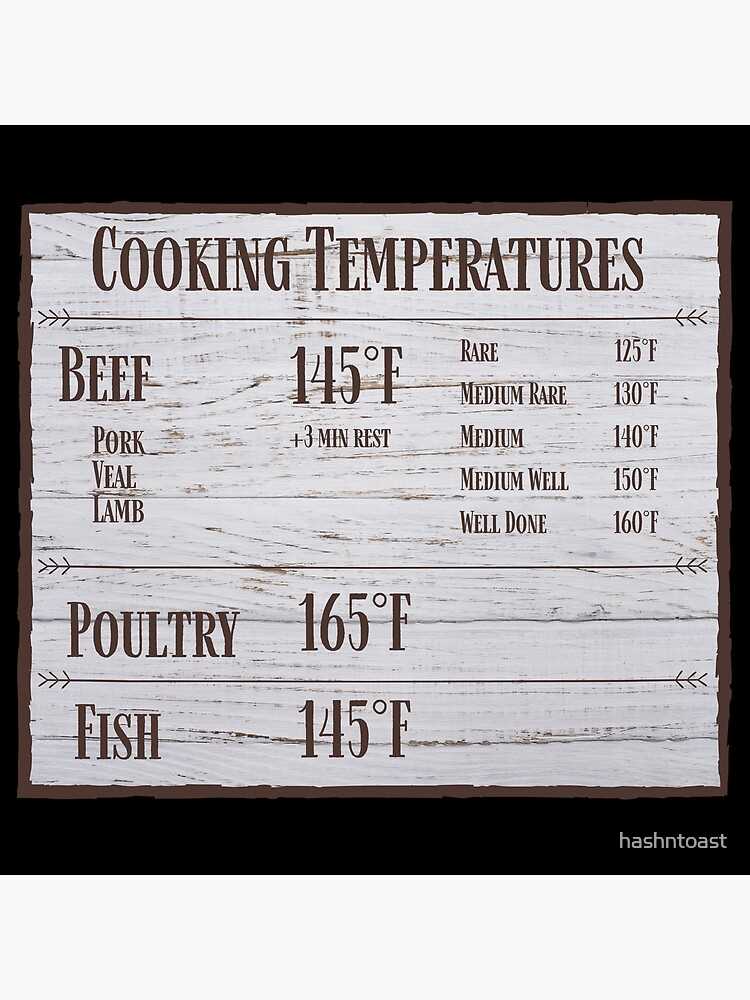
Using an accurate reference to guide you in achieving these temperatures makes the cooking process more predictable and safe. A reliable tool helps you enjoy your meals without worrying about undercooking or overcooking your protein dishes.
How to Read and Use a Meat Temperature Guide
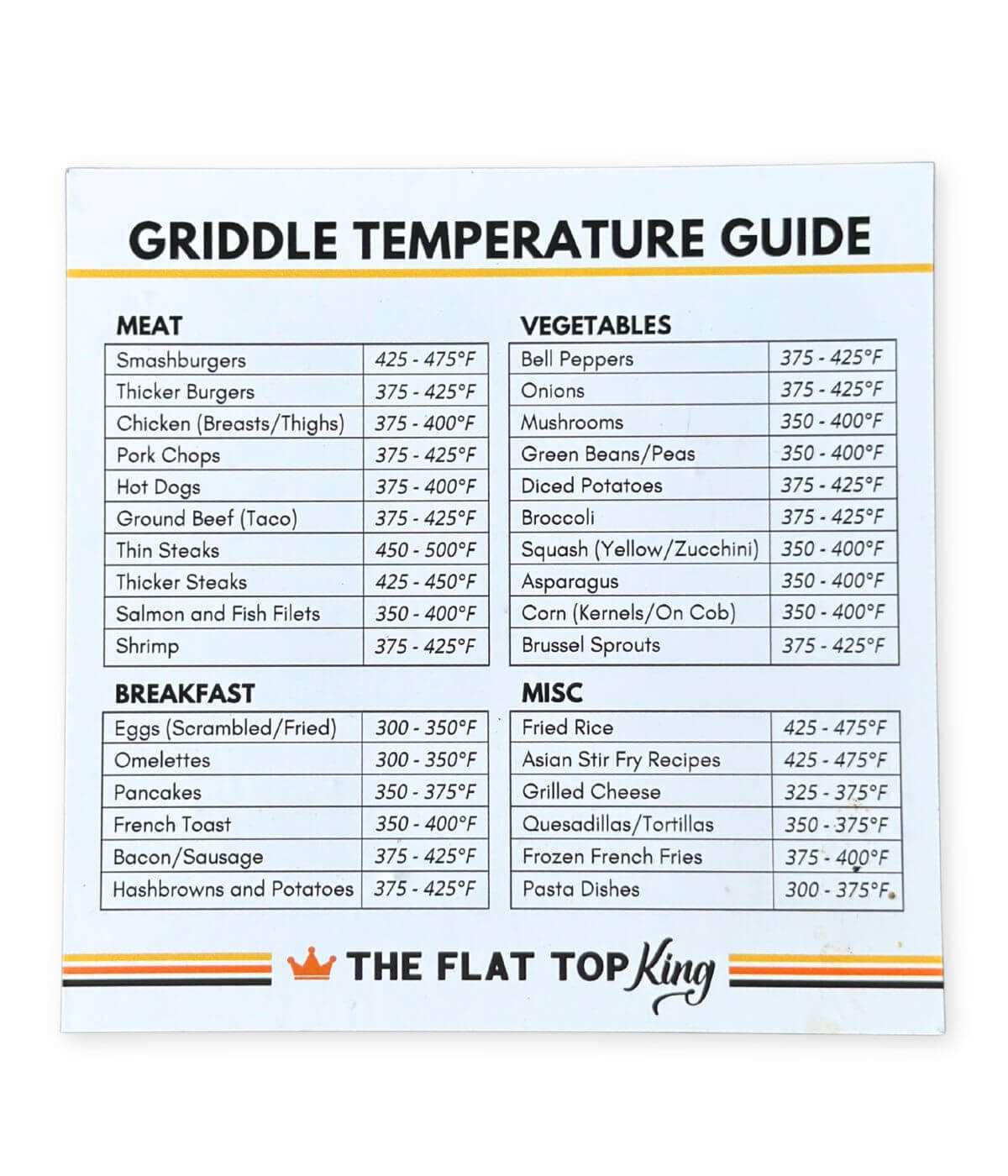
Start by identifying the protein you are cooking. Different cuts require different internal heat levels for optimal safety and taste. For example, poultry needs a higher temperature than beef to ensure it is safe to eat.
Next, use a reliable tool, like a thermometer, to check the internal heat. Insert the thermometer into the thickest part of the cut, avoiding any bone, fat, or gristle, as these can lead to inaccurate readings.
Each food type has a recommended internal heat range. For example, beef steaks typically range from 125°F for rare to 160°F for well-done. Poultry should always reach 165°F for safety. The guide will clearly list these target temperatures.
Refer to the chart when cooking various cuts. For ground meats, the heat level should be higher. For example, ground beef needs to reach 160°F, while pork and poultry should also hit 160°F to ensure complete cooking.
- Ground beef: 160°F
- Chicken: 165°F
- Pork: 145°F
- Fish: 145°F
For thicker cuts like roasts, check the temperature in multiple spots to ensure uniform cooking. For large roasts, it’s recommended to check the temperature in both the center and edges of the cut.
Make sure to remove the dish from the heat source as soon as it reaches the desired internal level. The heat can continue to rise for a few minutes after removing it from the heat source, so it’s important to avoid overcooking.
By following these guidelines, you can easily use a temperature reference to improve your cooking, ensuring your dishes are both safe and delicious. Regularly checking the temperature ensures consistent results each time you cook.