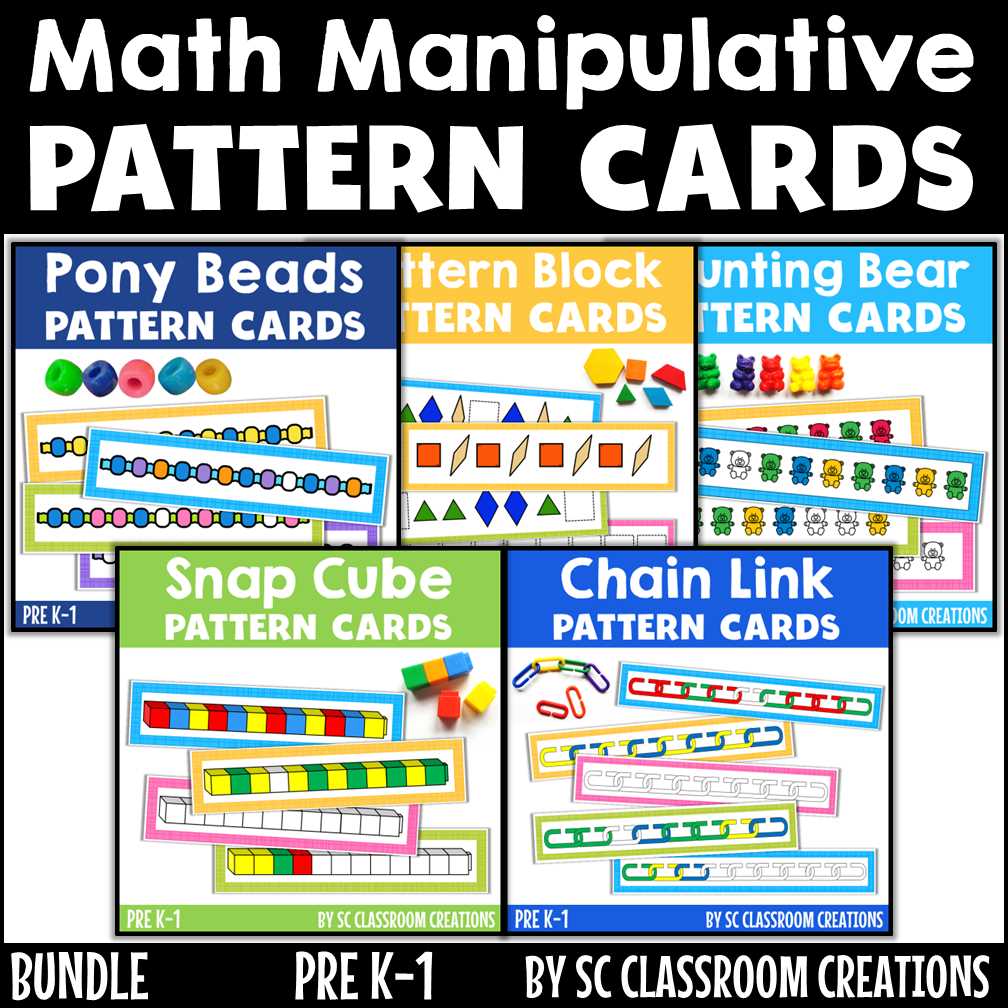
For students struggling with abstract concepts, visual aids provide a powerful solution. Manipulating tangible objects can simplify complex operations, such as addition or subtraction, and make the learning process more engaging. A set of interactive elements, such as counters or fraction circles, offers a tactile way to grasp numerical relationships and operations. Teachers can print or craft these resources to create dynamic lessons that hold students’ attention while reinforcing key mathematical principles.
To get started, focus on creating or sourcing objects that align with the lesson. For example, number lines, geometric shapes, or base-ten blocks can help students understand the connection between numbers and their value in different contexts. Using a hands-on approach enables students to visualize and physically manipulate the numbers involved, making math more approachable and less intimidating.
Incorporating these tools in the classroom or at home brings concrete experiences that complement theoretical learning. For young learners, these visuals are a stepping stone towards abstract thinking, helping them move from concrete to more abstract concepts smoothly. By using visual aids, teachers can cater to diverse learning styles and ensure that every student can engage with the material in a meaningful way.
Printable Visual Tools Guide
Start by selecting objects that align with the concept being taught. For example, use fraction circles for division exercises or counting blocks to represent addition. The goal is to make abstract concepts tangible. Begin with basic tools, like number lines or geometric shapes, that assist in understanding relationships between numbers.
When creating or downloading resources, look for designs that are clear and easy to handle. Large, bold numbers on cards or interactive charts are highly effective for younger students. The more user-friendly the visual aid, the easier it will be for learners to engage with it and grasp the material.
Ensure a variety of formats are available for different learners. Some students may benefit from color-coded resources, while others may prefer objects with labels or built-in instructions. Having multiple versions allows teachers to meet individual needs, making the lesson more adaptable.
For exercises that involve grouping, printed tiles or counters can be an ideal choice. These tools allow students to physically manipulate objects, giving them a hands-on way to visualize concepts such as addition and subtraction. Offering them a set of preprinted objects speeds up preparation and encourages active participation.
Next, consider incorporating objects that focus on spatial awareness and geometric shapes. A set of shapes for building structures or models can help learners visualize volume, surface area, and symmetry. These tools also enhance understanding of angles and dimensions, reinforcing mathematical concepts.
For more complex subjects, like fractions or decimals, using a set of printable visual aids like pie charts or grids can break down information into manageable pieces. These visuals help students see how parts fit together to form wholes, aiding in more advanced problem-solving.
Keep in mind that consistency in design is key. When resources are visually cohesive, students can focus on the task at hand instead of being distracted by confusing layouts. Clear boundaries, consistent colors, and easy-to-read fonts help improve focus and retention.
Lastly, these tools are not just for the classroom. They are equally useful for home-based learning. Parents can print out relevant materials and create an engaging, interactive environment that supports their child’s learning at their own pace.
Where to Find Visual Tools for Classroom Use
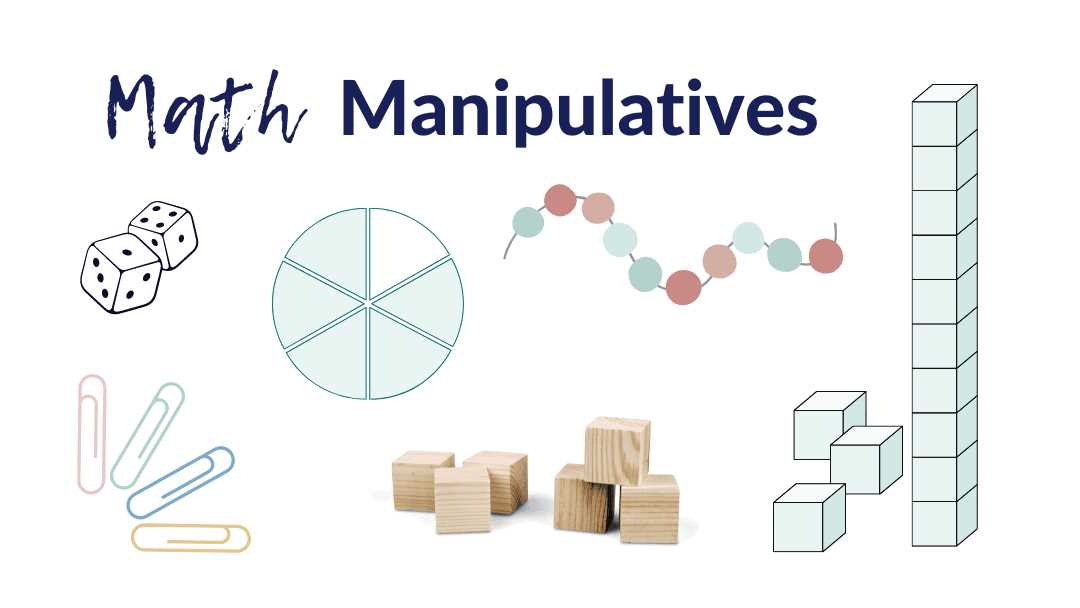
One of the best places to find free resources is educational websites. Many sites offer downloadable worksheets, charts, and other interactive tools for teachers. Websites like Teachers Pay Teachers and Education.com provide a wide selection of resources for various subjects. Simply search by grade level or topic to find what fits your needs.
Another great source is online communities and forums dedicated to teaching. Platforms such as Pinterest or Facebook groups often have teachers sharing their own creations. These community-driven spaces allow educators to exchange resources and ideas, often offering unique and practical tools not available on commercial sites.
Many educational publishers also offer free sample materials on their websites. For instance, companies like Scholastic or Lakeshore Learning provide sample lesson plans and visual resources that can be downloaded directly. These tools often come with easy-to-follow instructions for implementation in the classroom.
- Teachers Pay Teachers
- Education.com
- Scholastic
- Lakeshore Learning