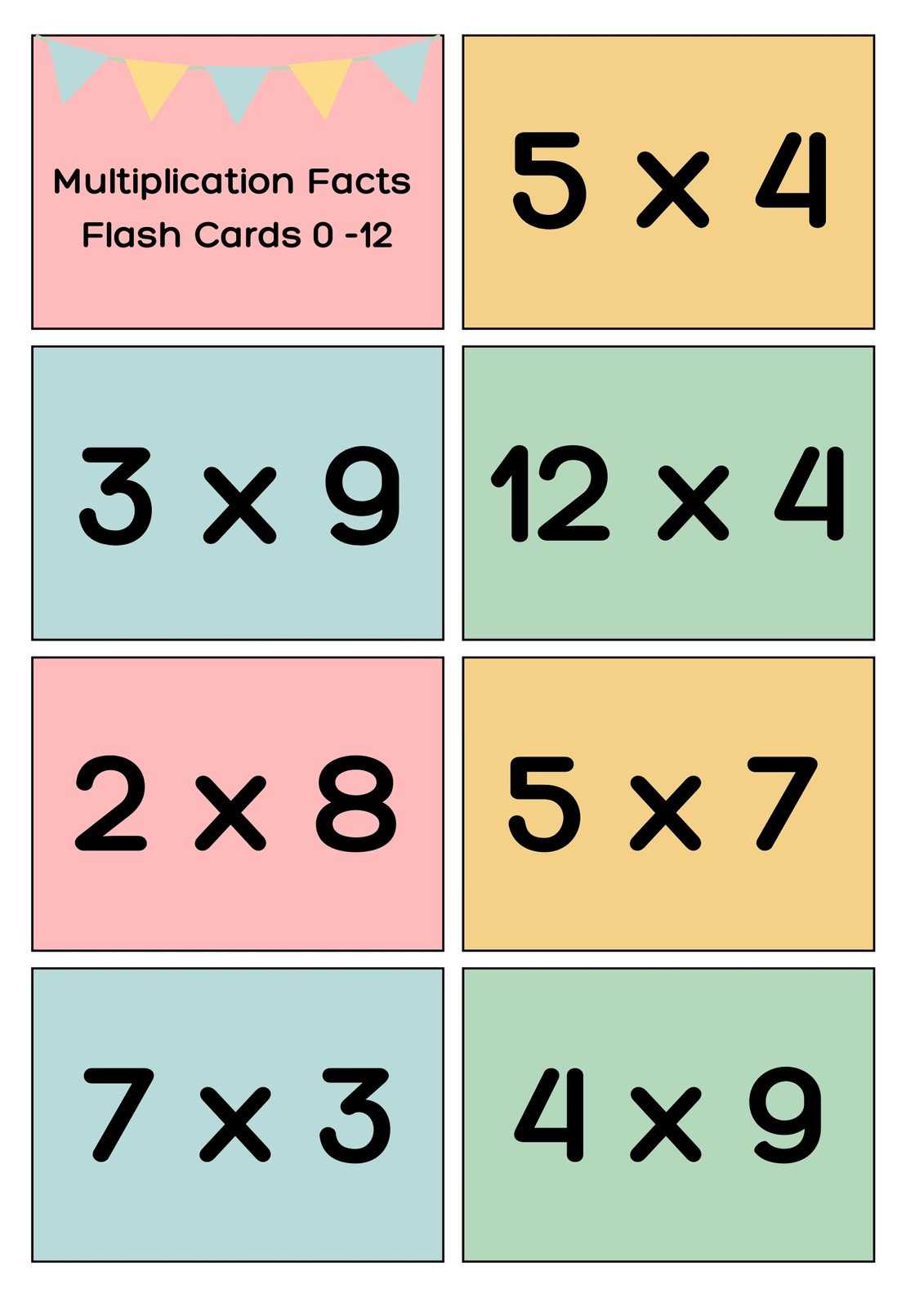
To help students practice key arithmetic skills, creating tailored learning tools at home is simple and effective. A great way to start is by designing simple sheets with questions on one side and answers on the other. These materials provide a hands-on approach to building speed and confidence in solving problems.
Use a variety of topics to create different sets, such as addition, subtraction, and multiplication. Customizing difficulty levels is straightforward–just adjust the numbers and operations. This keeps the practice relevant to the student’s current learning stage and helps track progress over time.
There are numerous websites offering free templates that can be downloaded and printed. You can find designs with both basic and advanced problems, covering a wide range of subjects, from fractions to complex equations. This allows you to match your child’s current curriculum while keeping the learning experience fun and interactive.
Maximizing Learning with Customized Study Sheets
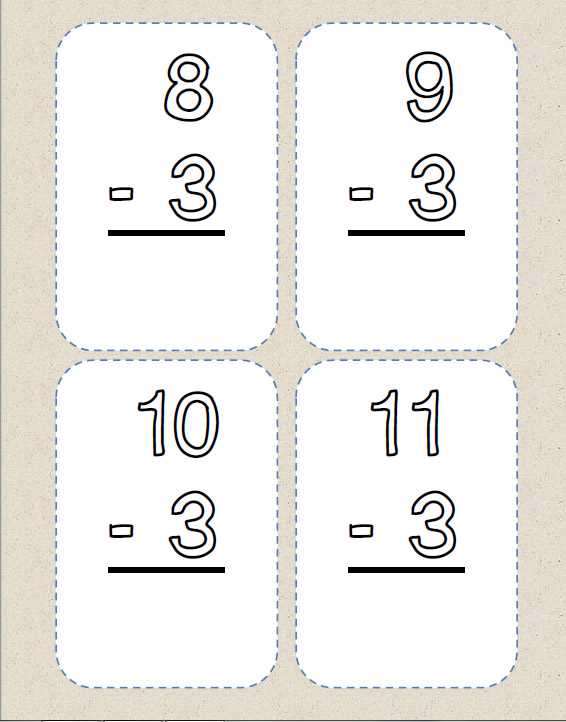
Create personalized learning sheets that focus on specific operations, such as simple addition or division problems. Adjust the difficulty level to suit the learner’s abilities. By printing out these resources, students can practice basic calculations quickly, improving recall and reaction time during tests.
For younger learners, consider using visual aids like colorful shapes or pictures alongside numbers. This keeps the activity engaging and helps reinforce the concept through multiple senses. Interactive exercises like these can be printed and turned into games, such as memory challenges or timed drills, making learning feel more like play.
Free resources online allow you to easily download and print a variety of exercises tailored to different age groups. Templates with multiple variations of problems can be customized further by adding or removing operations, allowing you to continuously adjust the difficulty and keep the practice challenging but achievable.
How to Create Custom Printable Math Flash Cards for Kids
Start by selecting the specific operations you want your child to practice, such as addition, subtraction, or multiplication. Determine the range of numbers that are most suitable for their current learning stage. For younger children, you can keep the numbers small (1-10), while older kids can handle more complex numbers (up to 100 or higher).
Next, use a simple text editor or online design tool to create the content for each card. Type a question on one side, such as “5 + 3”, and leave the answer (“8”) on the opposite side. You can also experiment with shapes and images to make the learning process more visual and engaging. For example, using objects like apples or stars next to numbers can help kids visualize the math concept.
To add variety, consider incorporating different types of problems. For example, you can alternate between addition and subtraction on the same set of materials. This will ensure that the child is practicing both skills in the same session, preventing boredom and making the exercise more comprehensive.
Once you’ve designed the problems, adjust the size of the text and layout to fit well on a standard sheet of paper. You can create multiple sets with various levels of difficulty. For example, one set may include single-digit addition, while another set includes two-digit multiplication. Print these out on high-quality paper to ensure durability, especially if your child will be handling them frequently.
For extra durability, laminate the sheets or cover them with clear adhesive sheets. This allows the cards to last longer, especially for repeated use. You can also cut them into small, uniform pieces so they’re easy to handle. If you’d like, you can add a fun touch by including colors or themed designs around the edges of the cards, making them visually appealing.
After printing and preparing the cards, create interactive games with them. One great option is to lay all the cards face down and have your child flip over two at a time, trying to match the problem with its correct answer. Another fun game is a timed challenge where the child must answer as many problems as they can within a certain period.
If you want to track your child’s progress, consider writing down how many cards they get correct on each practice session. This will allow you to identify any areas where they may need more practice and adjust the exercises accordingly. You can also involve the child in this process, allowing them to help create new sets as they master each level.
Lastly, if you don’t want to start from scratch, you can find many free templates online. These templates are easily customizable and can be downloaded and printed in minutes. However, creating your own cards provides the opportunity to tailor them precisely to your child’s needs, ensuring they are always challenged and engaged with the material.