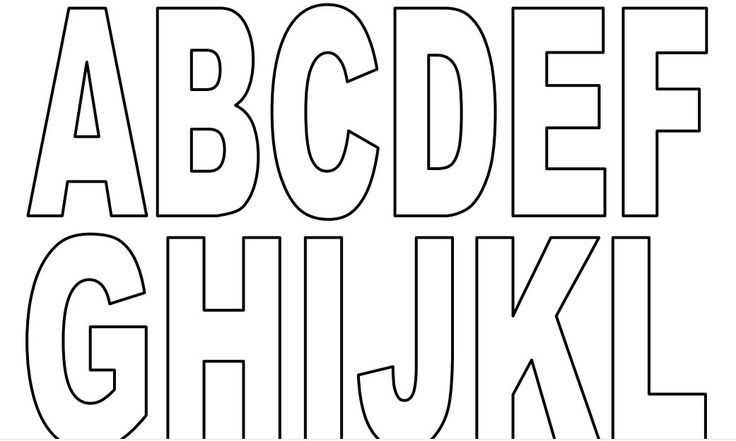
Choose a clean alphabet template in vector PDF format and print it at 100% scale for sharp edges and accurate proportions. For wall art and signage, select bold sans serif characters at 300 dpi resolution to prevent jagged outlines during cutting and painting. Set margins to narrow and disable page scaling in the printer settings to maintain exact dimensions.
Use cardstock between 200 and 250 gsm for reusable cutout patterns that hold their shape under paint. For larger symbols above 4 inches in height, tape multiple sheets together using alignment marks before trimming with a precision knife. A self-healing cutting mat and a fresh blade reduce tearing and keep curves smooth, especially on rounded glyphs such as O, C, and S.
For paint application, secure the template with low tack masking tape and apply acrylic paint using a dry sponge or stencil brush with minimal moisture. Dab vertically rather than brushing sideways to avoid bleeding under the edges. Allow each layer to dry for 10–15 minutes before removing the sheet to keep lines crisp and prevent smudging.
Printable Letter Stencils for Crafts Signs and DIY Projects
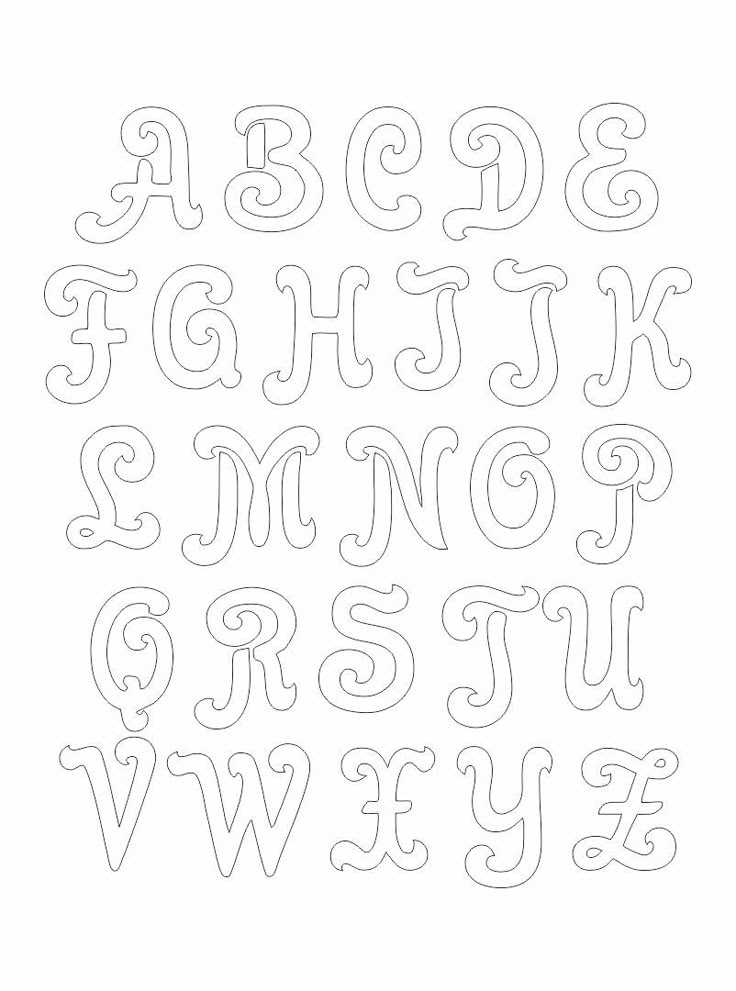
Download alphabet cutout templates in PDF or SVG format and set the scale to exact measurements before printing; for door signs, use characters 3–5 inches tall, while poster headlines require 6–8 inches for clear readability from 10–15 feet.
Choose typefaces based on purpose: block sans serif styles work well for garage labels and storage bins, while slab serif designs add weight to wooden plaques. Avoid thin scripts for paint projects, as narrow strokes tear during cutting and allow pigment to bleed.
For fabric crafts, transfer the character outlines onto freezer paper and iron the glossy side onto cotton at medium heat without steam. This creates a temporary adhesive layer that holds edges flat during textile paint application and peels away cleanly after drying.
When making wall graphics, align multiple sheets using crop marks and secure them with painter’s tape. Mark a horizontal guideline with a level before positioning the template to keep wording straight across surfaces wider than 24 inches.
Use acrylic paint with a foam pouncer loaded lightly; remove excess pigment on scrap paper before touching the surface. Apply two thin layers instead of one heavy coat to maintain sharp contours and avoid seepage under the cut areas.
For reusable patterns, laminate the printed alphabet sheets with 3–5 mil thermal pouches and cut them out with a craft knife. This method increases durability for repeated use on wood, canvas, or cardboard.
Create dimensional signage by tracing the characters onto 3 mm MDF or foam board and cutting with a jigsaw. Sand edges with 220 grit paper before priming to achieve smooth lines that match the original template.
Store finished cutout sheets flat inside labeled folders sorted by font style and height in inches. Keeping organized sets reduces reprinting and speeds up preparation for future craft and home decor projects.
How to Choose the Right Font and Size for Printable Letter Stencils
Select bold sans serif typefaces with uniform stroke width for cutout templates; strokes thinner than 1.5 mm at final scale tend to tear during trimming and allow paint to bleed. Avoid decorative scripts with sharp terminals, as they create weak bridges in enclosed shapes like A, R, and P.
Determine character height based on viewing distance: use a 1 inch height for every 10 feet of distance. For example, signage read from 20 feet requires glyphs at least 2 inches tall, while labels viewed at arm’s length work well at 0.5–1 inch.
Measure the available surface before setting the layout. Leave margins equal to at least 10% of the board width to prevent crowding. If the panel is 24 inches wide, keep text within 21–22 inches and adjust spacing between characters manually rather than relying on automatic kerning.
For multi-line wording, maintain consistent line spacing at 120–140% of the character height. A 4 inch title should have 4.8–5.6 inches between baselines to keep lines distinct after paint application.
Test scale by printing a single character on standard paper and placing it on the target surface. Step back to the intended viewing distance and check clarity before producing the full alphabet set.