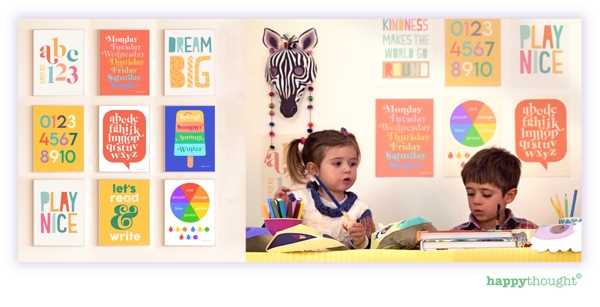
Integrating visual aids in the classroom can greatly support various educational goals, from enhancing memorization to improving engagement. For children, well-designed visuals can help break down complex concepts, making them more accessible and memorable.
Choosing appropriate visuals for your classroom involves selecting materials that align with the topics being taught and the developmental stage of the students. Whether you’re working with young children or older students, the right visuals can make abstract ideas tangible and foster deeper understanding.
Additionally, consider using interactive materials that encourage students to engage actively with the content. Visuals that incorporate learning games, diagrams, and interactive charts can be invaluable tools in any classroom setting, helping students retain information more effectively.
Utilizing Visual Resources in Classrooms
To enhance the learning environment, use images, charts, and infographics that simplify complex topics. These materials help students visualize abstract ideas and improve their retention of key concepts.
For younger children, choose visuals with large fonts and bright colors to capture attention. For older students, more detailed diagrams and topic-specific charts can provide deeper insights into the subject matter.
Incorporating materials that align with ongoing lessons is critical. For example, when teaching about the solar system, incorporate clear diagrams showing planets and their movements. This reinforces the topic in a concrete way.
Also, consider the accessibility of the materials. Ensure that images and visuals are legible from a distance, especially in larger classrooms. This ensures all students can benefit from the learning tools, whether they’re seated near the front or at the back.
How to Select the Right Visual Aids for Different Age Groups
For younger children, choose visuals with bold colors and simple shapes. Use large fonts and clear illustrations to help convey basic concepts like the alphabet or numbers. These visuals should be easy to understand and visually appealing to capture their attention.
For elementary school students, visuals that introduce more detailed information work best. Charts, maps, and diagrams that break down processes or provide context are ideal. At this stage, students benefit from illustrations that support their understanding of subjects like science, geography, or grammar.
Middle school students often engage better with more complex visuals that include data, graphs, and charts. These aids should include visual representations of abstract ideas, such as diagrams illustrating the water cycle or flow charts to describe historical events. Make sure the visuals are clear but also offer depth to foster critical thinking.
High school students require detailed and informational visuals that support advanced topics. Use diagrams, infographics, and charts that explain concepts in greater depth, such as mathematical equations, anatomical diagrams, or advanced historical timelines. These should encourage analysis and provide opportunities for students to apply knowledge.
When selecting materials, keep in mind the cognitive abilities of the age group. Younger children need less text, while older students can handle more complex content. Balance text with imagery to support and enhance the learning experience for all students.