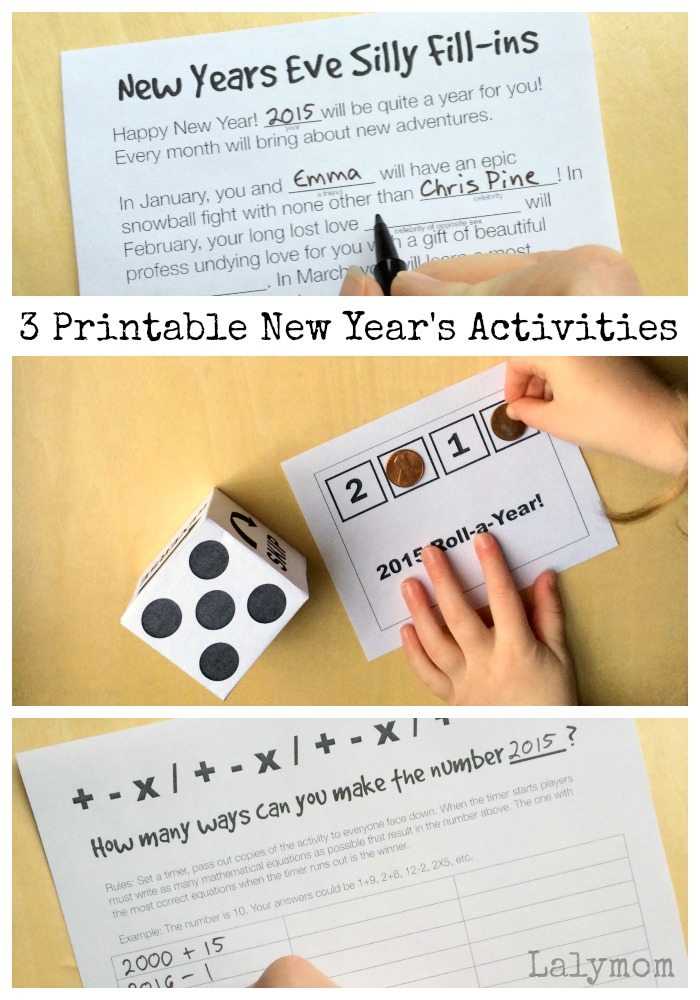
For hours of fun and learning, provide your child with engaging tasks they can complete at home. Look for printable materials that focus on problem-solving, creativity, and skill-building. These activities will not only entertain but also develop critical thinking and motor skills.
Consider puzzles, mazes, and word searches, which promote cognitive development and focus. These activities allow children to learn while staying engaged with interactive challenges that encourage independent thinking. Whether at home or during travel, having access to these resources provides a productive way to spend time.

It’s important to select tasks that are age-appropriate, offering the right balance of challenge and enjoyment. Younger children benefit from simple matching exercises, while older ones can handle more complex puzzles and brainteasers. Having a variety of difficulty levels ensures that children remain engaged without feeling frustrated.
Ideas for Engaging Activities at Home
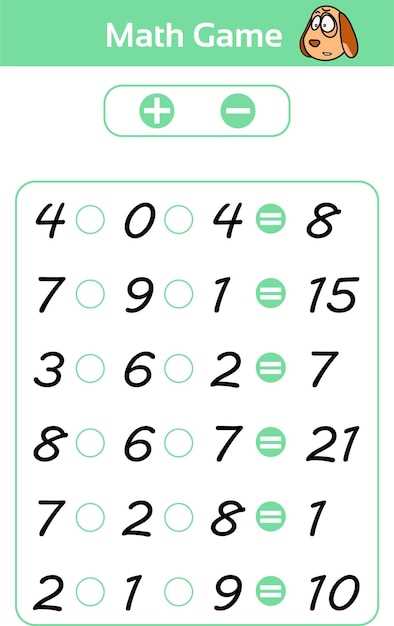
For an enjoyable and educational experience, use materials that challenge attention and creativity. Focus on activities that engage the mind, like solving puzzles, tracing shapes, or completing simple riddles. These tasks not only occupy time but also boost critical thinking and problem-solving skills.
Consider introducing tasks that are visually stimulating. Color-by-number pages or matching exercises help improve fine motor skills while keeping the child entertained. These activities also serve as excellent exercises for learning numbers, letters, and shapes in a hands-on manner.
To keep things interesting, rotate through different types of challenges, such as logic puzzles, mazes, and drawing exercises. The variety will ensure that the child remains engaged without getting bored, and it can also encourage independent learning by offering new experiences regularly.
How to Choose the Right Activities for Different Age Groups
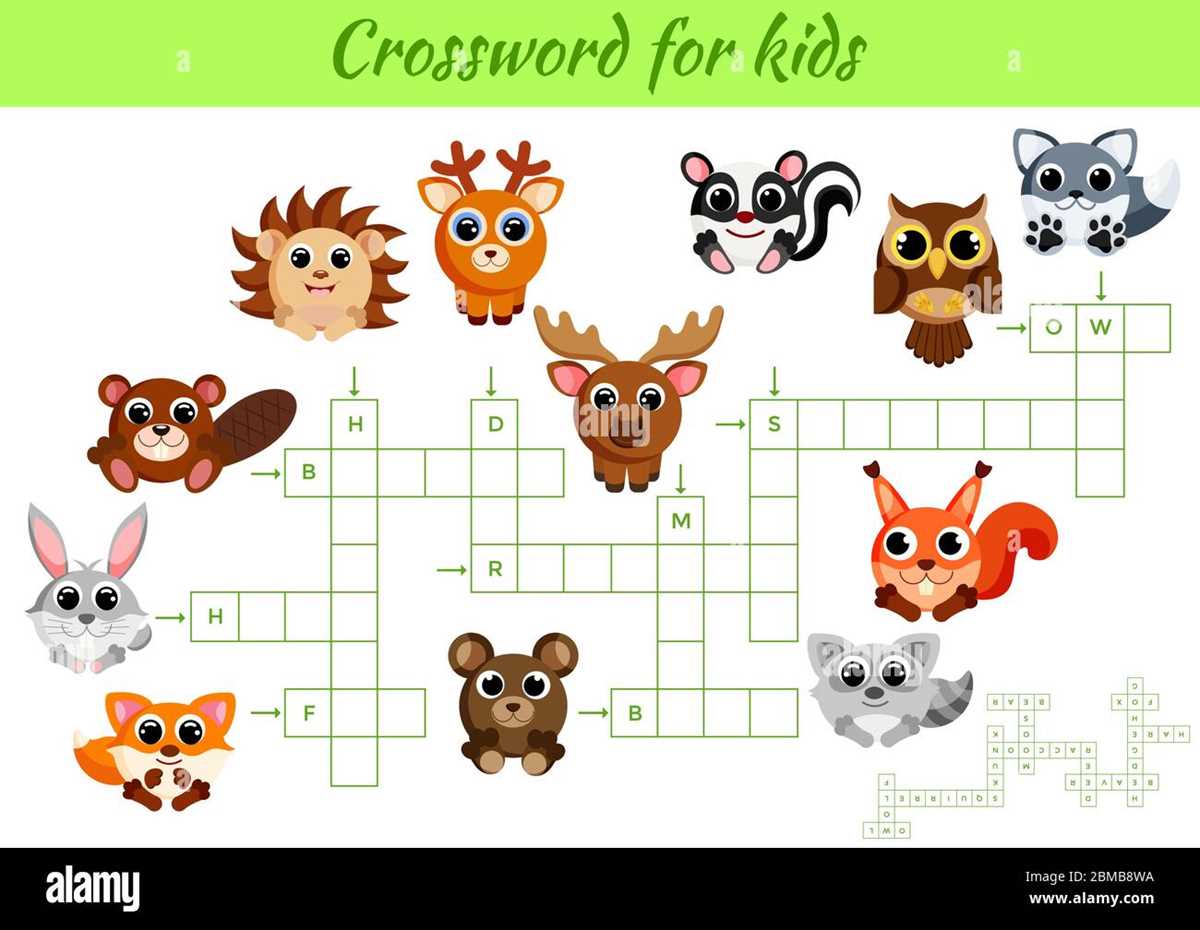
For younger children, choose simple tasks that focus on basic skills like shape recognition, counting, or matching. Activities that involve drawing or coloring can help develop fine motor skills. Avoid complex instructions or intricate puzzles as they may cause frustration.
For children aged 4-6, introduce more interactive exercises that promote hand-eye coordination. Consider tasks like connect-the-dots, simple mazes, or matching words with pictures. These activities not only entertain but also introduce basic concepts like letters, numbers, and animals.
As children grow older, they can handle more challenging puzzles and tasks. For 7-9-year-olds, consider logic puzzles, crossword puzzles, or simple brainteasers. These activities can help develop critical thinking and problem-solving abilities while keeping them engaged.
For older children aged 10 and above, provide more advanced challenges that require greater concentration. Word searches, math puzzles, and memory exercises are great choices. These activities will challenge their cognitive abilities and provide opportunities to learn in a fun way.
It’s also helpful to tailor tasks to the child’s interests. For instance, if a child enjoys animals, puzzles related to wildlife or farm animals will be more appealing. Similarly, puzzles with themes such as space, superheroes, or nature can make the activity more engaging.
Lastly, keep in mind that the length and complexity of the activity should match the child’s attention span. For younger children, keep tasks short and straightforward, while older children can handle longer and more intricate challenges. Rotating between easier and more difficult tasks can keep the child interested while helping them grow their skills progressively.