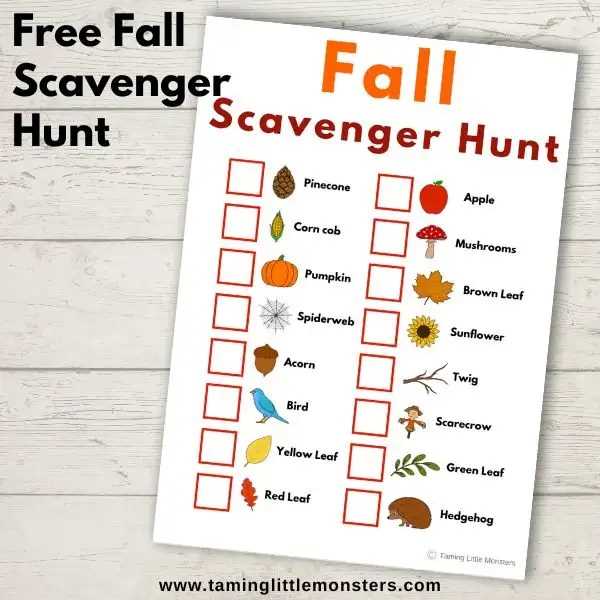
For an exciting activity that keeps everyone on their toes, create a treasure search using items you already have around your house. You don’t need to be outdoors to spark excitement and get people moving. Just pick objects of varying sizes and set up clues that guide participants from one to the next.
Start by selecting a theme for the search. It could revolve around a holiday, favorite books, or even something as simple as finding objects by color or texture. The key is making sure the theme is engaging and offers a bit of challenge. Each clue should lead to the next, keeping everyone engaged as they solve riddles or follow hints.
When crafting clues, consider the age and interests of your participants. For younger kids, include visual hints or simple rhyming riddles. For adults or older kids, you can increase the difficulty with logic puzzles or riddles based on specific locations in your space. The most important part is to keep the clues fun but solvable.
Set clear boundaries within your home to avoid confusion. Assign specific rooms or areas for the search, and make sure to avoid any places that could cause accidents. Giving participants a map or a brief layout of the designated spaces can help guide them without overwhelming them with too much freedom.
Don’t forget to include a reward at the end. Whether it’s a small prize, a treat, or the satisfaction of solving the final puzzle, having a reward makes the entire experience more memorable.
HTML
Creative Ideas for an Engaging Home Search Game
Design clues that challenge participants to think critically. A great approach is to create riddles or puzzles that lead players from one location to another within the house. For example, a clue could point to the kitchen with a phrase like, “I’m where you’ll find something that’s both cold and often sweet.” This directs them to the fridge. Tailor each hint to your space, ensuring every area of your home gets involved.
Set a theme for your activity to make it more exciting. Whether it’s a treasure-seeking pirate adventure or a mystery-solving detective story, themes enhance the experience. You can give each player a character to portray and assign them specific items to locate. Assigning points or rewards based on creativity or time limits adds an element of competition that increases the stakes.
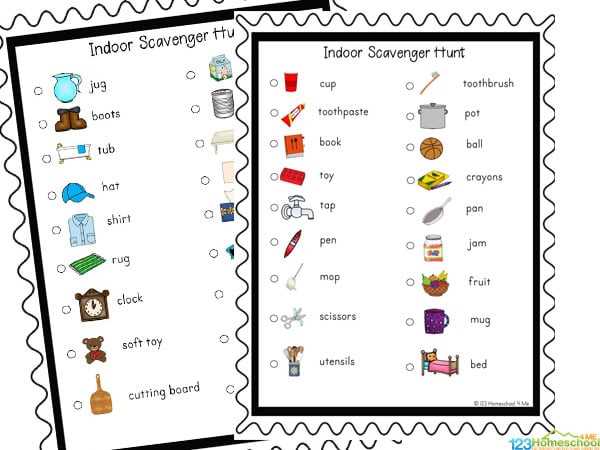
- Start with easy, obvious items like a spoon or a book, then gradually make the clues more challenging.
- Incorporate multi-step clues that require teamwork or problem-solving to find the next hint.
- For added fun, hide a special prize at the end or in a tricky spot for a surprise finish.
How to Design a List of Tasks for Different Age Groups
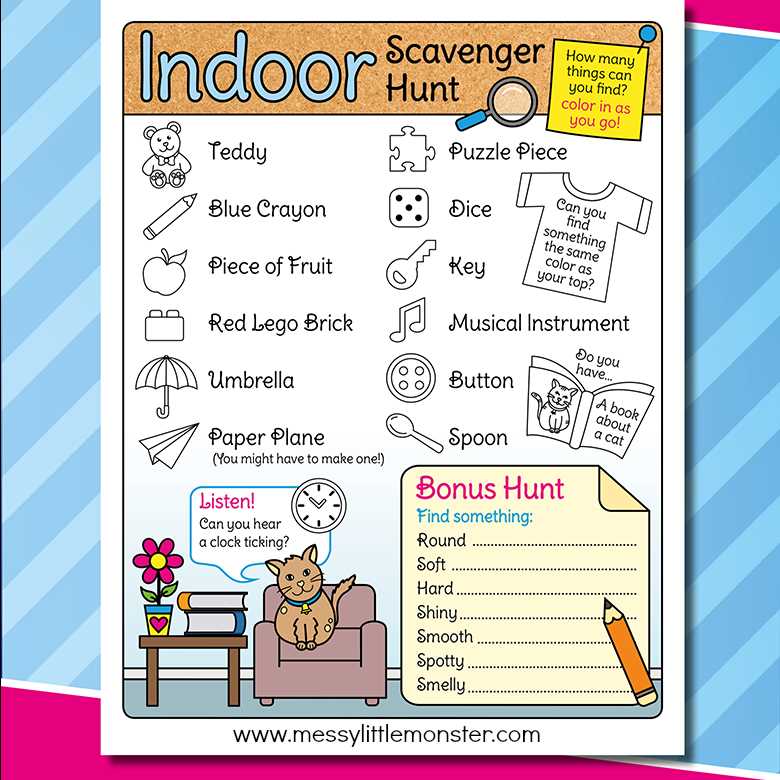
For younger children, focus on simple tasks that engage their curiosity and physical abilities. Use easy-to-identify objects, like toys or common household items, to keep them entertained. Tasks can be as simple as “Find a red ball” or “Spot a soft toy.” Keep the instructions clear and avoid abstract descriptions, as younger kids may not fully grasp them.
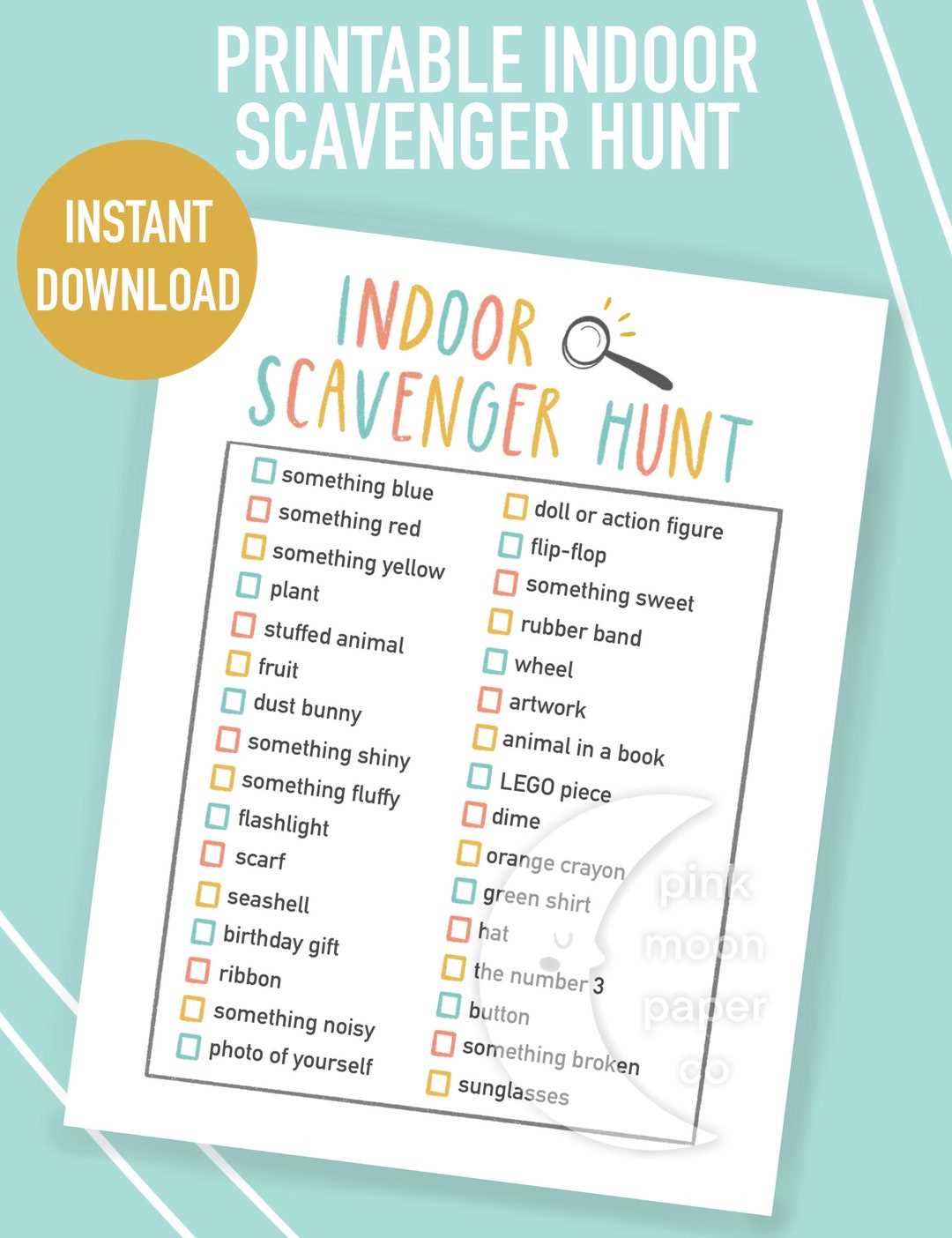
For children between 7 and 10 years old, increase the complexity slightly. Introduce challenges that require problem-solving but still ensure the clues are straightforward. For example, you could ask them to locate something based on a riddle or a color pattern. Tasks like “Find something that makes noise” or “Look for an object with four legs” push their thinking but are still manageable.
For teens, incorporate clues that require a bit of logic or a search involving multiple steps. Include tasks that demand more interaction with their environment, such as “Locate a book with a blue cover on the shelf” or “Find an item with a hidden message written on it.” This age group enjoys more independence and often prefers figuring out complex clues on their own.
Adults may appreciate more intellectually stimulating tasks. Use riddles, word puzzles, or references to pop culture to challenge them. A clue like “Find an object that represents your favorite movie” or “Look for an item from the 1990s” encourages participants to engage deeply with their surroundings. Adults also enjoy tasks that involve a bit of humor or creativity, such as recreating a famous scene from a movie with available objects.
For mixed-age groups, balance the difficulty levels by including tasks that appeal to all ages. Provide a variety of clues, from simple object identification to more complex riddles. This ensures that no one feels left behind while still offering enough challenge to keep everyone interested. Clues like “Find something that starts with the letter S” or “Spot an item from your childhood” offer a broader range of difficulty.
Keep in mind that regardless of the age group, the experience should be fun. Adjust the tone and difficulty based on the group’s familiarity with the environment, and make sure the activities are engaging without being too overwhelming. Keep the clues short and sweet, and try to create a sense of progression to maintain interest throughout the entire activity.