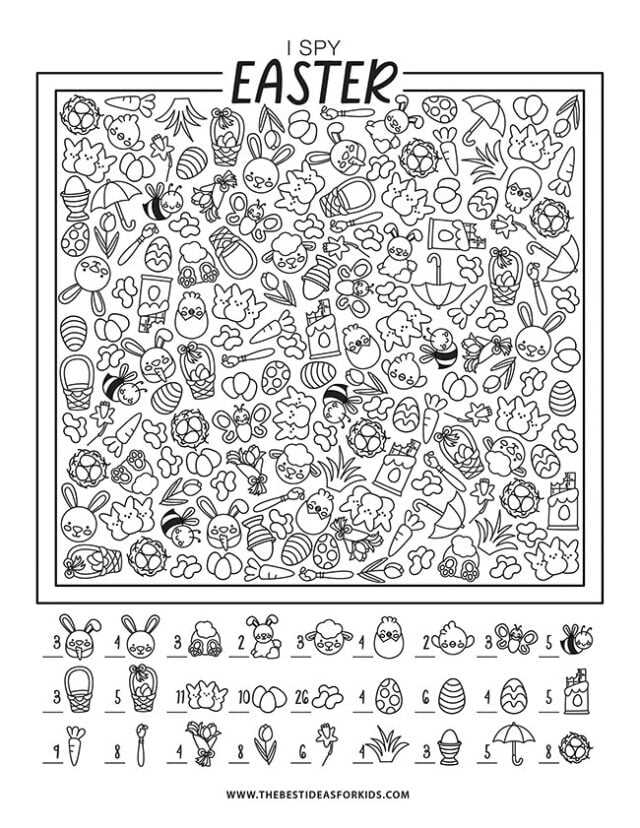
Creating a fun, visual puzzle for children is as simple as focusing on specific objects or themes they can search for within a cluttered image. Design a challenge where children can spot certain items or characters from a list, enhancing their focus and observation skills. Using everyday themes such as nature, animals, or objects from the home is an easy starting point.
For instance, if you’re aiming for a themed sheet, consider a garden scene with various flowers, insects, and small animals. Assign the child to find a butterfly, a ladybug, and a watering can. To add complexity, provide a more detailed description of each object, encouraging the child to think critically about their surroundings. The more varied the images and objects, the more engaging the activity will become.
Once you’ve created your main puzzle, consider customizing it for specific events. For birthday parties or holiday gatherings, incorporating relevant elements like party hats, balloons, or festive foods can make the experience feel personal. With just a few simple adjustments, your activity sheet can match the occasion perfectly, providing hours of entertainment.
HTML Activity Sheets: A Fun and Engaging Puzzle for Everyone
To create an engaging puzzle sheet, use a variety of objects and themes for the challenge. For example, in a park scene, you can ask children to locate a kite, a bench, or a tree. By incorporating simple, familiar images, the activity becomes accessible while still stimulating focus and attention.
As the difficulty increases, introduce more abstract items. Instead of using just common objects, consider adding slight variations, such as finding a red flower among different colored ones. This encourages kids to pay more attention to details, sharpening their visual perception and problem-solving skills.
For adults, an activity sheet can be made with more intricate designs or hidden objects that require deeper observation. Choose settings such as a crowded marketplace or a museum exhibit to challenge participants to find rare or unexpected items. This version of the game can be both a fun break and a subtle exercise for the brain.
Customizing puzzles to match specific themes–such as holidays, seasons, or professions–adds a personal touch. For instance, around Christmas, you can design a winter scene filled with Santa’s sleigh, stockings, and snowflakes. These personalized versions can be great for themed parties or classroom activities.
Consider creating interactive versions where players can mark off items they’ve found, either digitally or with printed copies. This adds a layer of fun as the individual progresses through the activity. A visual checklist will help the participants feel a sense of accomplishment as they check off each object from the list.
Lastly, don’t forget to offer varying levels of difficulty within the same theme. By adjusting the complexity, you can keep everyone entertained, whether they are children or adults. This adaptability makes these puzzle sheets a versatile activity for any occasion, from casual playtime to group events or learning sessions.
How to Create Your Own Activity Sheets
Start by selecting a theme for your puzzle. A clear theme helps determine what objects or details will appear in the design. Consider scenes such as a farm, beach, or city park. These settings provide a variety of elements to hide and make the task more exciting.
Next, choose the level of difficulty. For younger children, include simple, large items that are easy to identify. As the puzzle complexity increases, you can introduce smaller objects or subtle variations in color and shape to make the hunt more challenging.
Once you’ve decided on the objects, sketch out the scene. Make sure there is enough variety in the elements you include to allow for an engaging search. For instance, in a forest scene, you might add trees, animals, rocks, and hidden objects like a backpack or a picnic basket. Keep the design organized but detailed enough to challenge participants.
To guide the activity, create a list of objects to find. This list should match the scene and provide both specific and general clues. For example, instead of just saying “find a bird,” try “find a red bird near the tree.” Clear, descriptive wording will enhance the experience and keep participants engaged.
Consider adding additional features like a timer or scorecard to track progress. This adds a competitive edge or a time-based challenge for more advanced players. You can set a time limit for the activity or allow them to score based on how many items they find in a given time frame.
- Tip: Use grid-based templates to help organize the scene and keep it neat.
- Tip: Adjust the number of items based on the difficulty you want to create–more items for older players, fewer for younger ones.
Finally, format the sheet to ensure it’s easy to print and use. Provide clear, readable fonts for the list and bold lines for boundaries. You can use design software or free online tools to arrange the objects and text in an appealing way. Once completed, you’ll have a customized activity sheet ready for hours of fun!