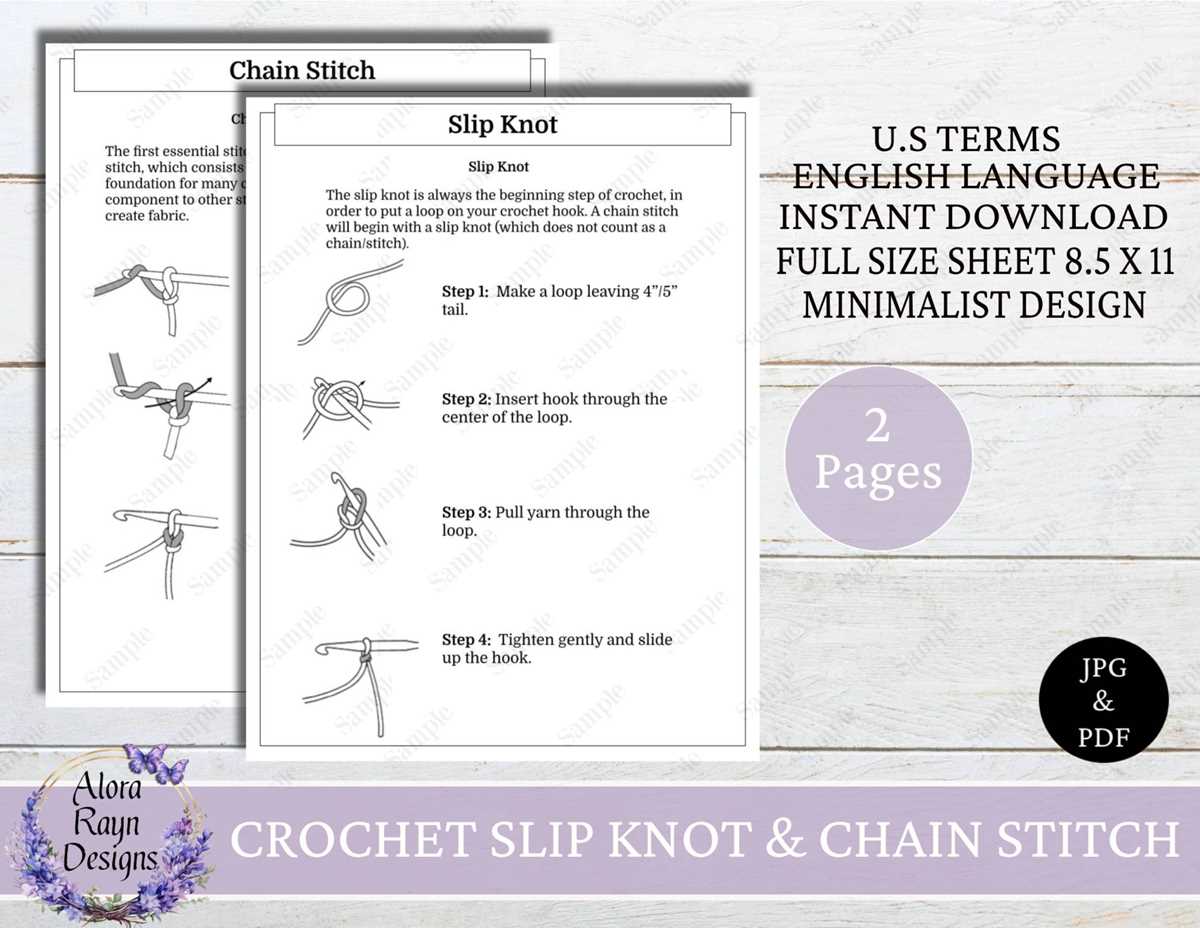
To begin your crafting journey, start with the basic tools: a hook and yarn. Choose a hook size that matches the thickness of the yarn you plan to use. For beginners, medium-weight yarn and a corresponding hook size like 5mm or H/8 work best, as they are easy to handle and allow for clear visibility of each stitch.
Once you have the materials ready, follow the simple techniques to form each stitch. The most common stitch to start with is the chain stitch, which forms the foundation for many other patterns. From there, you’ll learn to work in rows and turn your project as needed. Each section will show you exactly what motions to use with clear, visual cues so you can follow along with ease.
If you make a mistake, don’t worry–crocheting is all about practice. Make sure to keep your tension consistent so the stitches are even, and don’t hesitate to pull out stitches and try again. You’ll find that the more you practice, the smoother your projects will come together.
When you’re ready, try creating small, functional pieces like coasters or bookmarks to get the feel for the technique. As you gain confidence, you can move on to more intricate designs and larger projects. With this approach, you’ll quickly be able to create beautiful items from simple instructions.
Mastering Basic Stitches for Your Projects
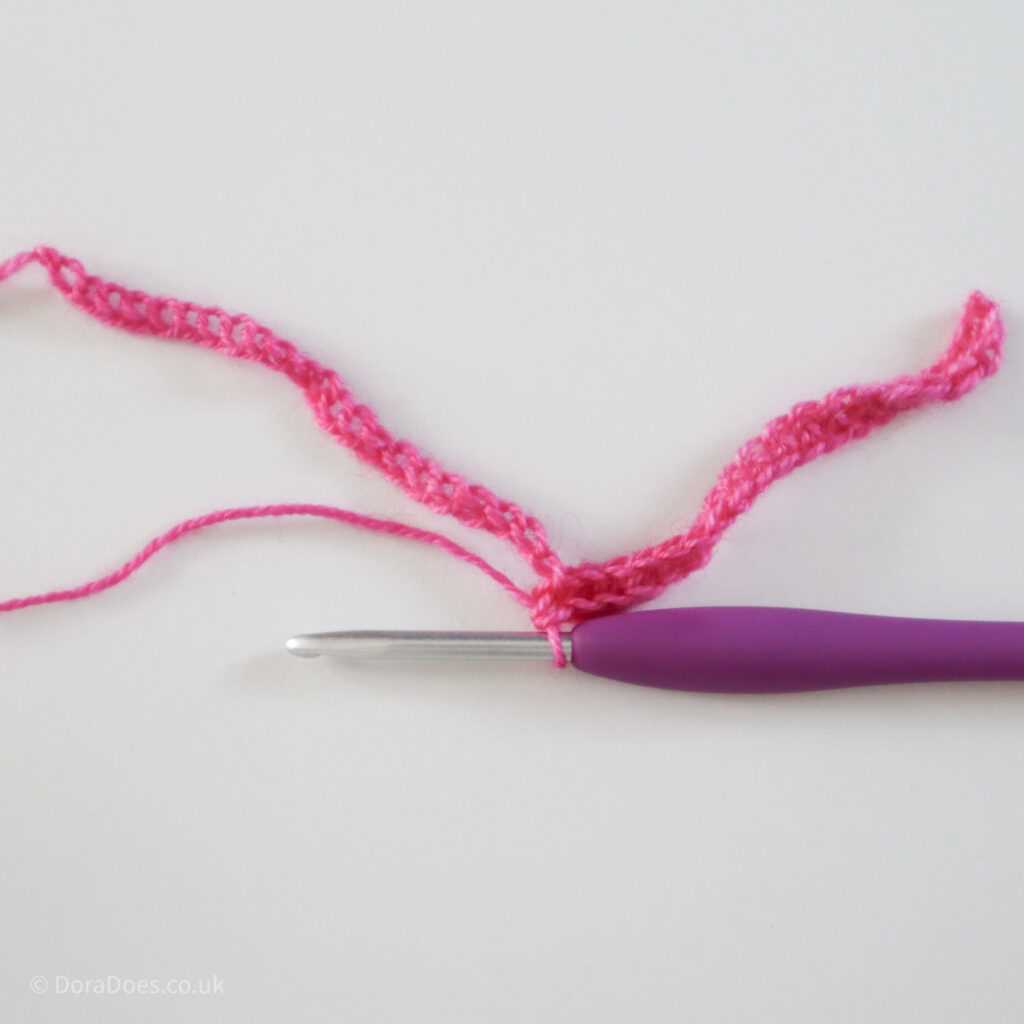
Start with the most fundamental stitch: the chain. This is the foundation for nearly every project you’ll create. To make a chain, wrap the yarn over the hook, pull it through the loop on your hook, and repeat until you have the desired length. Once you get comfortable, you can move on to more complex stitches.
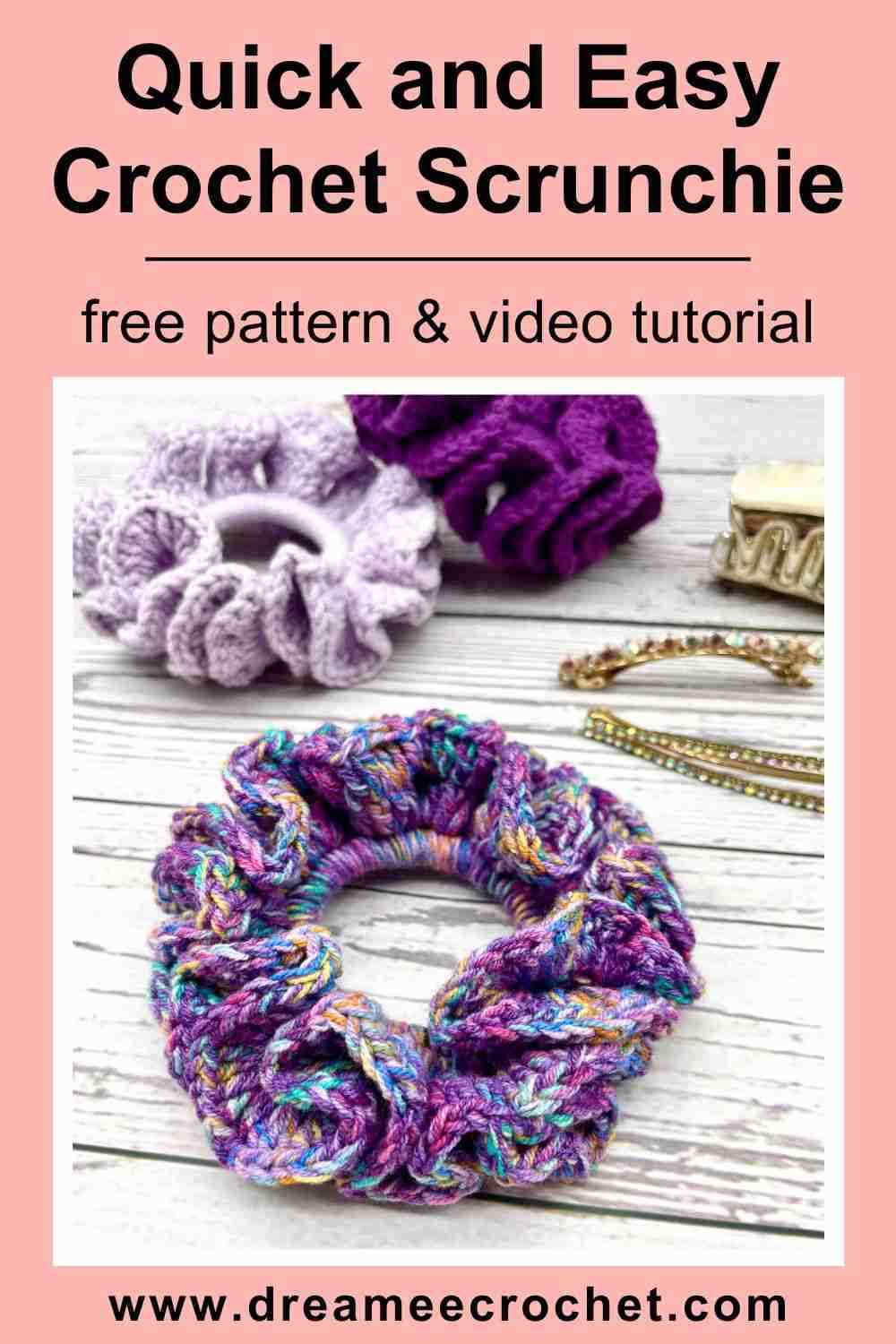
Next, focus on the single crochet stitch, which is one of the simplest yet most useful. Insert the hook into the stitch, yarn over, pull through, then yarn over again and pull through both loops on the hook. Practice this stitch across a row to create a solid, even texture. It’s great for making small items like coasters or washcloths.
Once you’ve mastered the single stitch, try the double crochet. This stitch adds height to your work and creates a more open, airy texture. Yarn over, insert your hook into the stitch, yarn over again, and pull through two loops on the hook. Yarn over again and pull through the remaining two loops. Double crochet is perfect for blankets or scarves.
After practicing these basic stitches, experiment with combining them to create different textures and patterns. For example, alternate between single and double stitches to create a textured fabric. Keep your tension consistent for the best results, as uneven tension can cause your work to become too tight or too loose.
As you become more comfortable with these techniques, try following simple patterns that require a few different stitches. Start with basic projects like scarves, hats, or small bags, where you can apply these skills and build your confidence. The key is to practice regularly and take your time as you work through each row.
Choosing the Right Materials for Your Project
Selecting the right yarn is the first step in ensuring your project turns out as expected. For beginners, medium-weight yarn (like worsted weight) is the most versatile and easiest to work with. It is thick enough to handle without being too bulky, and it provides the perfect amount of flexibility for creating a variety of designs. Look for yarns that are labeled as “easy-care,” which are typically machine washable and durable.
The next important choice is the hook. For most medium-weight yarn, a 5mm (H-8) hook is ideal. If you’re working with thinner yarns, opt for a smaller hook, while thicker yarns will require a larger one. The right hook size will help maintain even tension and prevent your stitches from becoming too tight or too loose. Always check the yarn label for hook size recommendations to make sure you’re pairing them correctly.
When selecting yarn color, keep in mind the type of project you’re creating. Lighter shades are better for delicate patterns, while darker shades can add depth and texture. If you plan on making wearable items, choose colors that complement your wardrobe or the season. For items like home decor, consider how the colors will match with the overall design of the room.
Textured yarns, such as boucle or chenille, can add a unique look to your projects. However, they can be a bit more challenging for beginners due to their uneven textures. If you’re new to working with yarn, start with a smooth option and experiment with textured yarns once you feel more confident in your skills. These yarns work great for scarves, hats, and other fashion items.
Don’t forget to pick up yarn needles for finishing your work. These tools help with weaving in ends and joining pieces together. A yarn needle with a large eye is perfect for thicker yarns, while smaller needles are suited for lighter-weight materials. Having the right needle ensures you can neatly finish off your project without any loose ends or messy seams.
Before starting, it’s helpful to gather some other accessories, such as stitch markers, to keep track of your progress. These small tools are great for marking the beginning of rounds or rows, especially in more complex patterns. Stitch markers will prevent you from losing your place and help keep your work organized.
Lastly, consider the durability of the materials you’re using. Some projects, like blankets and home accessories, will need yarn that can withstand frequent use and washing. Look for materials labeled as “machine washable” for items that will be cleaned regularly. If you’re creating a decorative piece that won’t undergo heavy use, you can choose more delicate yarns for a softer finish.