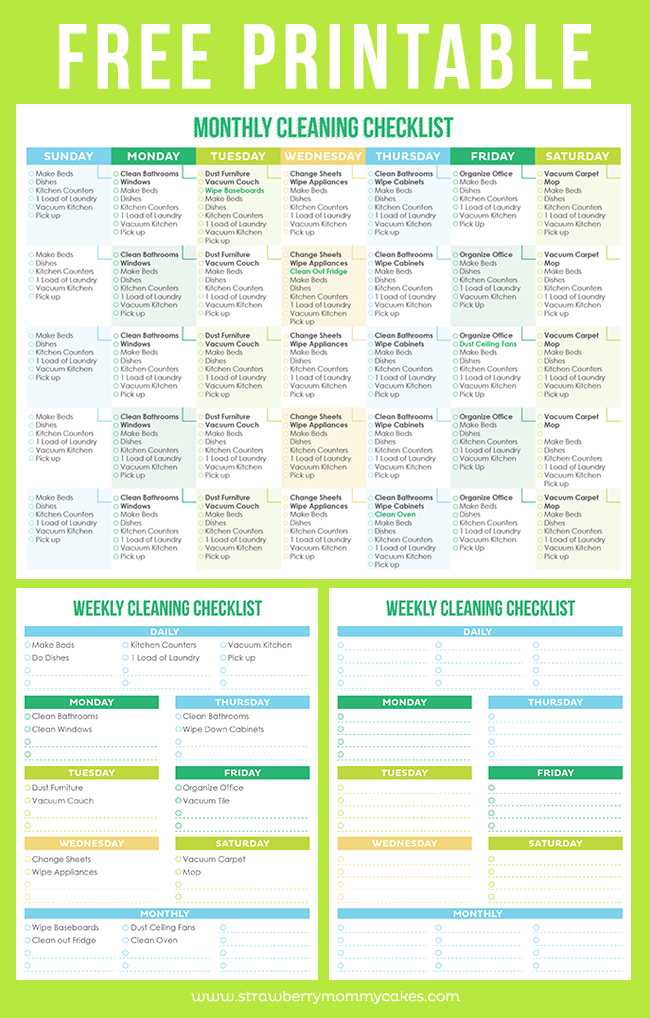
Start by creating a manageable list of daily, weekly, and monthly tasks for your living space. Focus on breaking down large chores into smaller, more attainable steps. This will help you stay on track without feeling overwhelmed by the amount of work ahead. Assign tasks to specific days of the week so each task feels like part of a routine.
Use tools like digital calendars or physical planners to map out these tasks. Many sites offer downloadable templates that allow you to customize your approach based on your needs and preferences. Choose layouts that suit your personal style, whether you prefer a weekly overview or a daily breakdown of responsibilities.
Staying consistent is key to maintaining a tidy environment. Consider setting reminders for each task to ensure you don’t forget or push them aside. Once a task is completed, check it off your list for a sense of accomplishment. Regularly reviewing and adjusting your plan will help keep everything in balance as your needs change.
Creating a Routine for Daily and Weekly Tasks
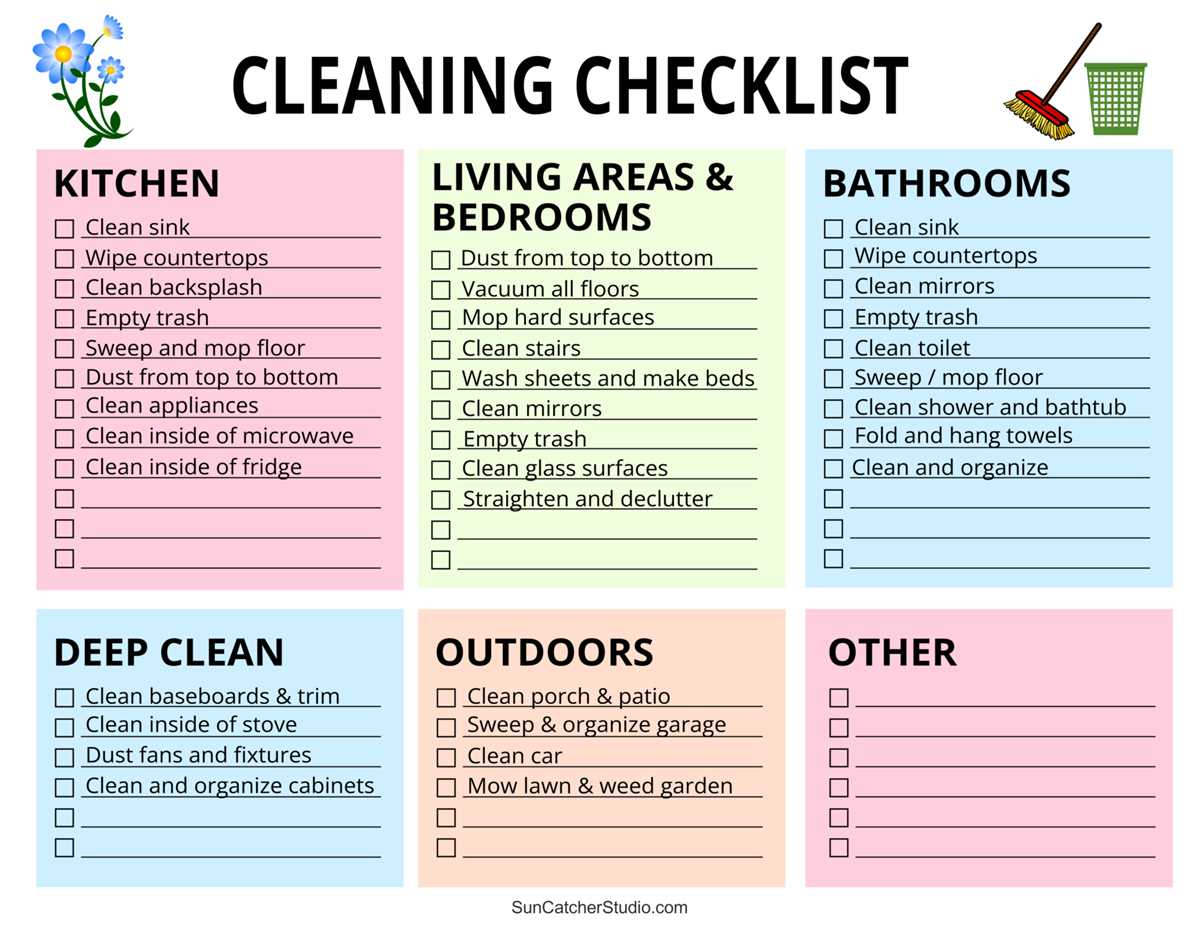
Start by categorizing your daily and weekly chores. For daily tasks, include simple activities like tidying up common areas, wiping surfaces, and washing dishes. For weekly responsibilities, consider more detailed tasks such as vacuuming, dusting, and cleaning the bathroom. By breaking them down into smaller steps, you’ll avoid feeling overwhelmed and stay organized.
Use a template that allows flexibility. Some people prefer checking off each task as they go, while others might prefer assigning a time slot to each chore. Select a format that helps you visualize your routine clearly, whether it’s a physical chart posted on your wall or a digital calendar that sends reminders.
To stay motivated, focus on consistency. It’s better to commit to shorter, manageable tasks each day than to leave everything for one big session. For instance, dedicating 10 minutes each morning to tidying up your kitchen can prevent it from becoming overwhelming by the end of the week.
Don’t forget to review and adjust your list periodically. As your lifestyle or living space changes, you may need to reallocate time to certain tasks or add new ones. Keeping your routine adaptable ensures it continues to fit your needs, helping you maintain a clean and organized environment with minimal stress.
How to Create a Customizable Cleaning Routine
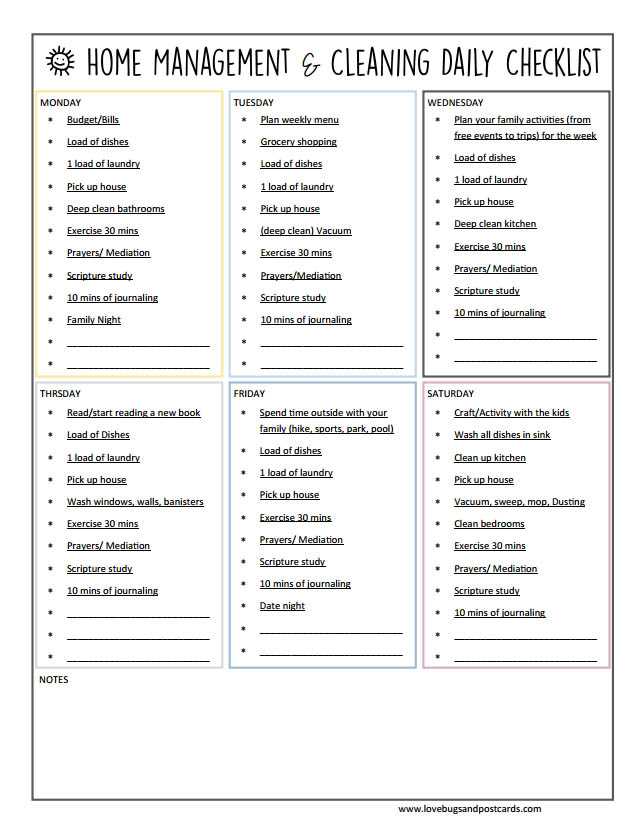
Start by identifying the tasks that need to be done regularly, such as vacuuming, dusting, or organizing. List these chores by category–daily, weekly, or monthly–to better allocate time for each. Once you have your tasks grouped, determine how often each one should be completed, based on the level of maintenance required for each area of your space.
To make your routine flexible, use a format that allows you to rearrange or adjust tasks. For instance, you can use a digital planner with drag-and-drop capabilities or a physical chart with removable stickers. This flexibility ensures you can adapt your plan based on time constraints or unexpected changes in your schedule.
Consider your personal habits and preferences when structuring the plan. Some may prefer completing all tasks on a single day, while others might find it easier to spread them out over the week. Choose the method that fits your lifestyle best, whether it’s a heavy focus on weekends or short daily sessions.
Finally, review and adjust the plan periodically. As your space and needs evolve, the routine should too. Whether it’s adding new tasks or shifting priorities, an adaptable plan will help you maintain consistency while reducing stress over time.