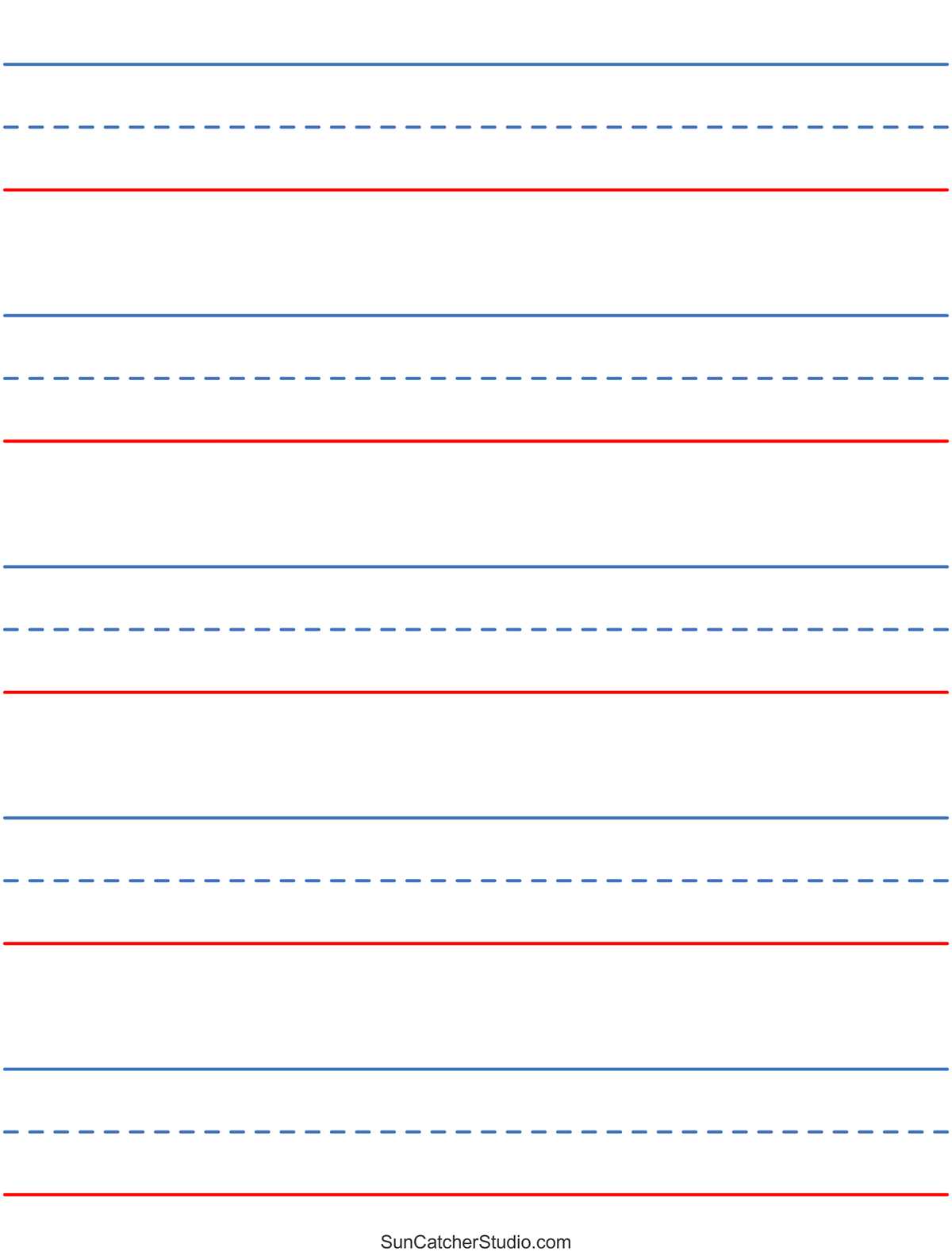
To help children and adults improve their penmanship, opt for practice worksheets designed with clear lines and simple shapes. These resources guide the user through the motions of writing, focusing on letter formation and stroke consistency. The more structured and organized the sheet, the easier it will be to track progress and see immediate results. Choose exercises that focus on specific issues, like slanting or spacing, so users can target their areas of improvement directly.
Start with worksheets that feature larger letters and simple words. This makes it easier for beginners to gain confidence. Gradually increase the complexity of the practice materials by adding cursive or more intricate fonts as skills improve. Consistency is key–set aside time daily for practicing. Over time, this will lead to smoother, more legible writing.
For older students or adults who want to refine their style, find sheets with advanced exercises that involve different writing techniques, such as cursive or calligraphy. These sheets typically use smaller fonts, encouraging finer motor skills and greater control. Incorporating timed exercises can also help improve speed without sacrificing legibility.
Choosing the Right Writing Practice Sheets for Different Skill Levels
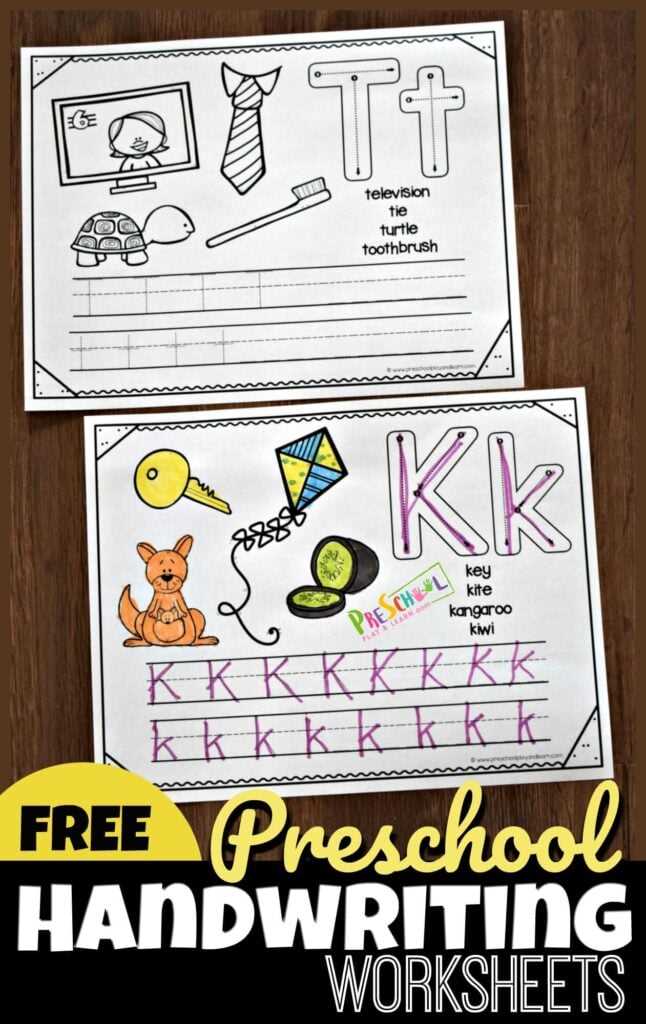
Select practice materials based on the current skill level. For beginners, start with large and simple fonts that help users focus on forming each letter clearly. As skills develop, introduce exercises with smaller letters and more complex shapes, such as cursive or mixed-style writing. This gradual increase in difficulty helps maintain interest while progressively improving control and fluidity.
For those looking to refine their writing style, consider using worksheets with specific targets like improving legibility, speed, or letter slant. Organizing practice into categories, such as print versus cursive, can also be helpful. The following recommendations will assist in tailoring the practice sessions:
- Use large, clear examples at the start.
- Gradually move to cursive or slanted fonts as skills progress.
- Focus on timing exercises for older students or adults.
- Introduce word and sentence formation once individual letters are mastered.
How to Choose the Right Writing Practice Sheets for Different Ages
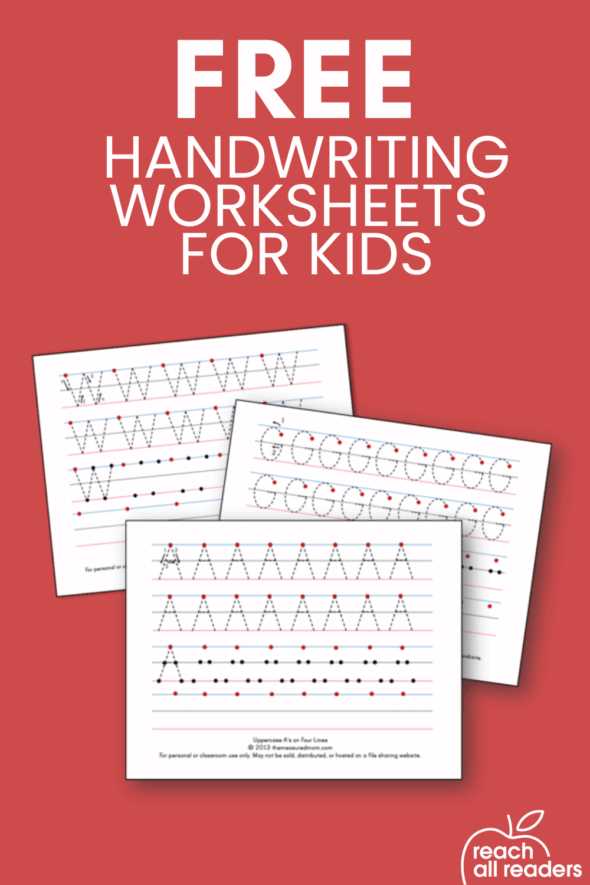
For young children, select worksheets with large, clear letters. Simple, bold fonts allow them to focus on mastering basic strokes. At this stage, it’s important to choose exercises that promote good motor control and letter recognition. Use large spacing between characters to encourage proper letter formation.
As children begin to master individual letters, move to practice materials with slightly smaller fonts. Introduce worksheets that feature more complex shapes and include a mix of uppercase and lowercase letters. This stage helps reinforce the concept of consistent letter height and alignment, which is critical for clear writing.
For elementary school-aged children, combine letter formation with simple word and sentence exercises. Worksheets that require writing in rows or across lines provide structure and encourage fluidity. At this point, ensure the lines are not too close together, as it allows for better control and reduces frustration.
For older students who are transitioning to cursive, select practice sheets with flowy, connected letters. Cursive exercises should be gradual, starting with basic loops and then progressing to more complex words and sentences. Include plenty of tracing exercises to reinforce proper form before students start writing independently.
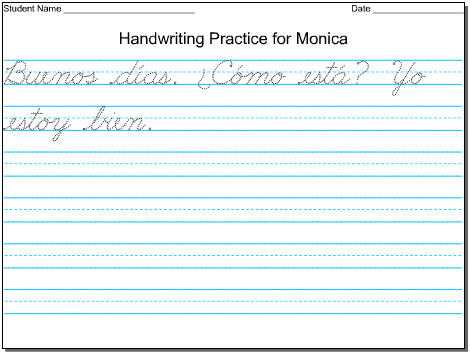
Teens and adults looking to refine their style should focus on materials designed to improve both speed and legibility. Consider more advanced worksheets that focus on writing consistency, letter slant, and spacing between words. These exercises should provide both practice for daily writing and more decorative styles like calligraphy.
For anyone working on improving legibility or clarity, choose sheets that provide detailed instructions for common mistakes. Target exercises that focus on correcting habits like inconsistent slant or crowded letters. Using a mix of timed and freeform practice will help users develop a personal style while ensuring readable text.