To improve your problem-solving skills, having access to structured sheets can be a game changer. Using a grid format allows for better organization and clarity when working with calculations, equations, and shapes. Whether you’re tackling linear equations, plotting functions, or solving geometric puzzles, these sheets help you visualize the steps and ensure precision in your work.
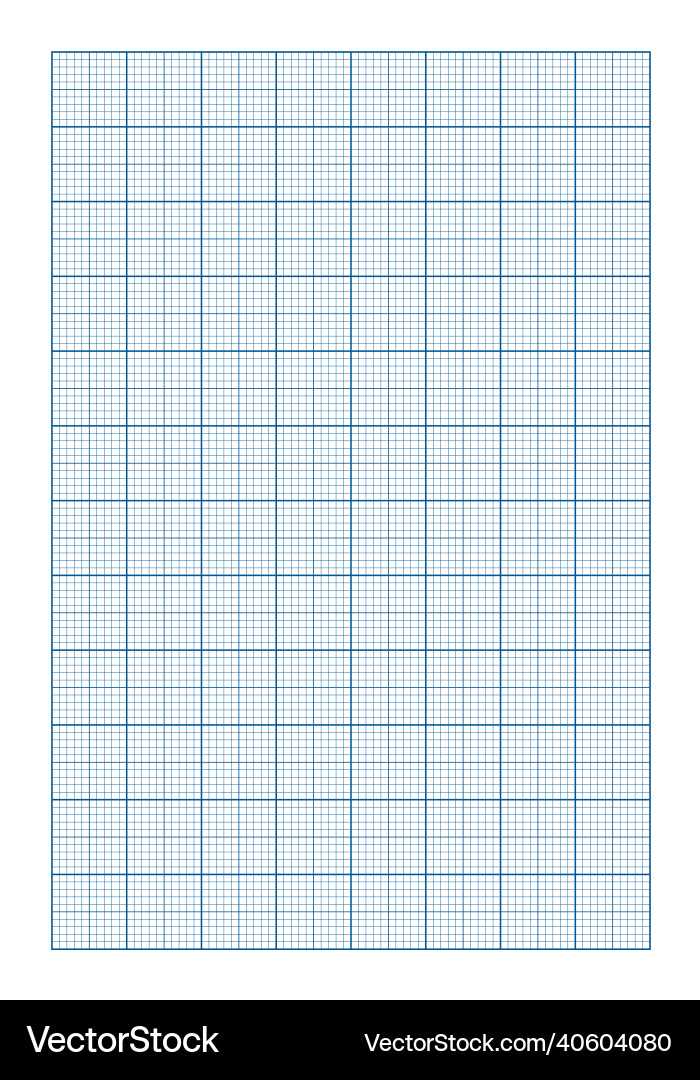
Start by selecting the right layout based on your needs. If you’re working with complex functions, opt for sheets with smaller, finer grids that will allow more precise plotting. For geometric shapes or basic algebra, larger grids might offer a better overview. Knowing when to use each format will save you time and improve accuracy.
Another key point is to regularly incorporate these resources into your study routine. The more you use them, the easier it becomes to translate abstract problems into clear, manageable steps. This approach helps not only with individual tasks but also in understanding complex concepts that require multi-step solutions.
Graph Paper for Solving Equations and Geometry Problems
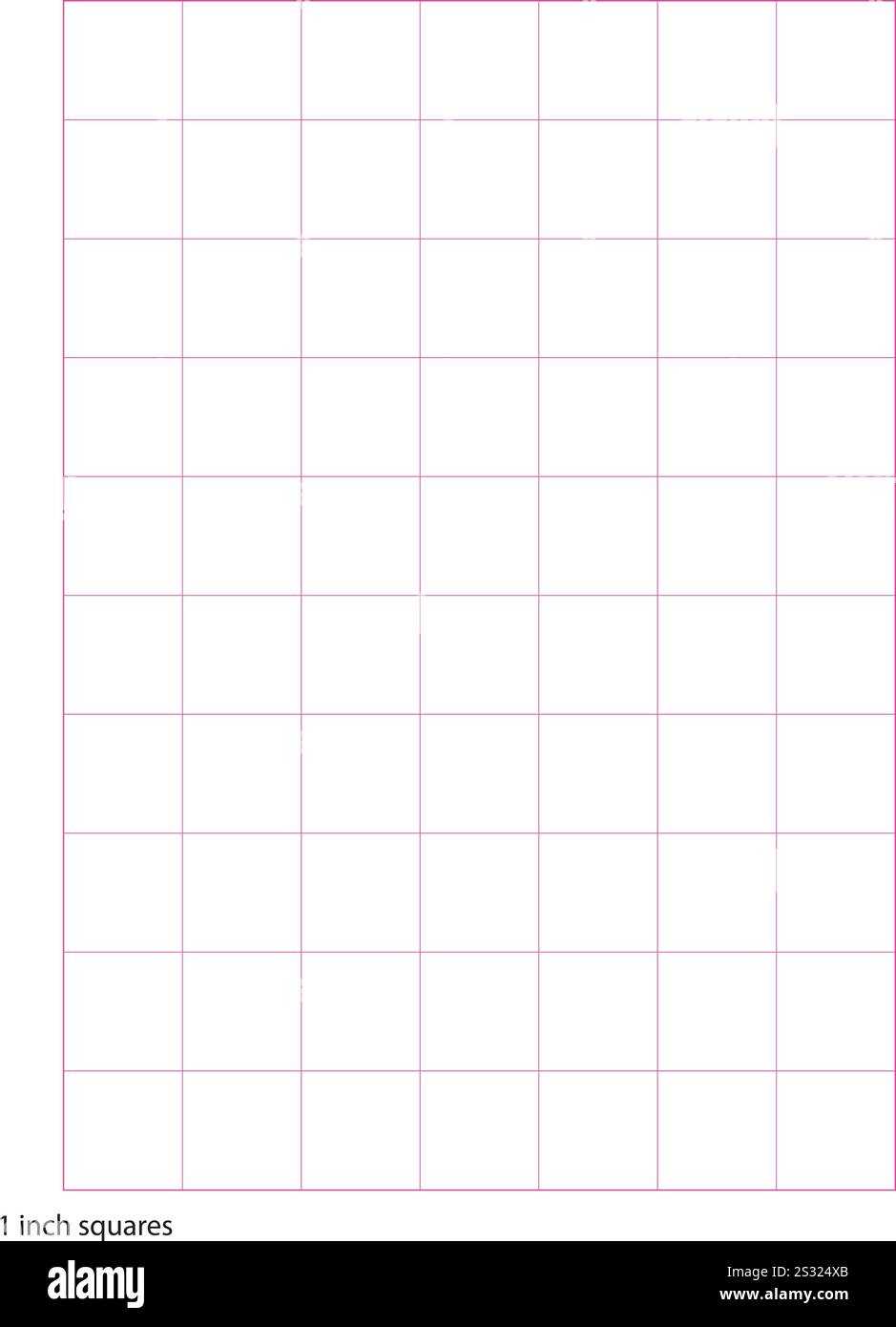
When working on equations or drawing geometric figures, it is crucial to have a clear structure. Using grids with consistent spacing aids in organizing numbers and shapes, making complex problems more manageable. For instance, using a fine grid can help with plotting functions, while a coarser grid is better for drawing shapes and working with larger numbers.
For best results, choose grids that align with the scale of your work. If you’re solving systems of equations, grids with smaller boxes provide more precise tracking. Larger grids are preferable when constructing geometric shapes or visualizing space. This method reduces errors and improves overall clarity in your calculations.
How to Use Grid Sheets for Solving Problems
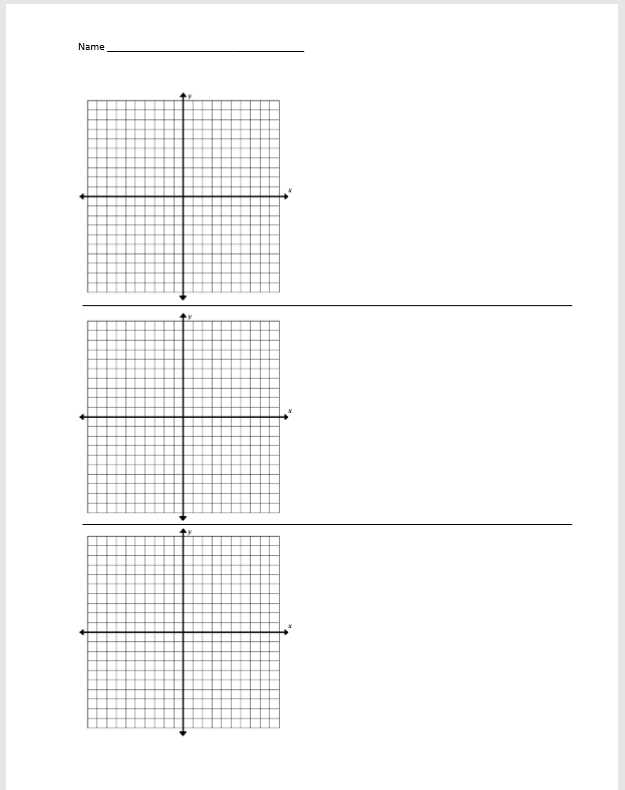
To accurately solve problems involving functions, plotting points is key. Begin by placing the origin on the intersection of the grid. Mark each point by counting boxes along the axes. This clear visual reference allows for precise placement and can help identify trends in the data or check your work as you progress.
For algebraic calculations, use the grid to organize variables and coefficients. Writing equations inside the boxes helps break down the problem into manageable steps, ensuring proper alignment of terms. Whether working on linear equations or factoring expressions, grids provide structure to avoid common mistakes like misaligning numbers or skipping steps.