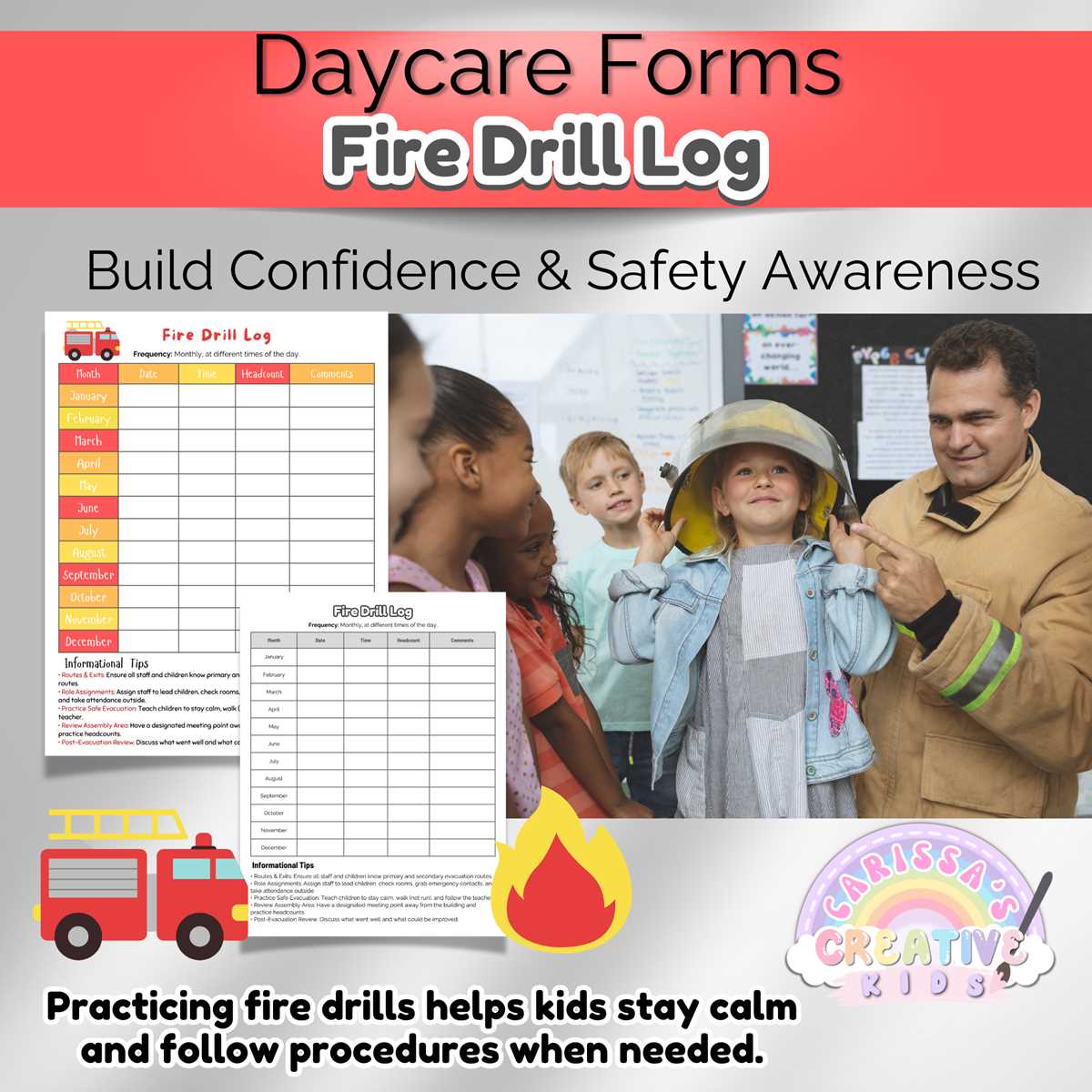
To maintain safety standards, every workplace must have a structured procedure for evacuations. A well-organized document is necessary to track and assess each drill. Start by incorporating key data such as the date, time, and location of the evacuation. Record the number of participants and ensure that each team member’s role is clearly outlined for a smooth response.
Specify evacuation routes and exits, as well as any obstacles or issues that may arise during the exercise. It’s important to note any delays or errors that could be improved for future situations. Assigning a coordinator to observe and note discrepancies will help refine the process, ensuring the team’s preparedness for real emergencies.
At the end of each session, evaluate the performance of each participant. Whether they follow instructions or fail to act quickly can be documented for future training. In addition, add comments or suggestions to enhance the protocol for more realistic drills in the future. These insights will help improve safety practices and ensure compliance with regulations.
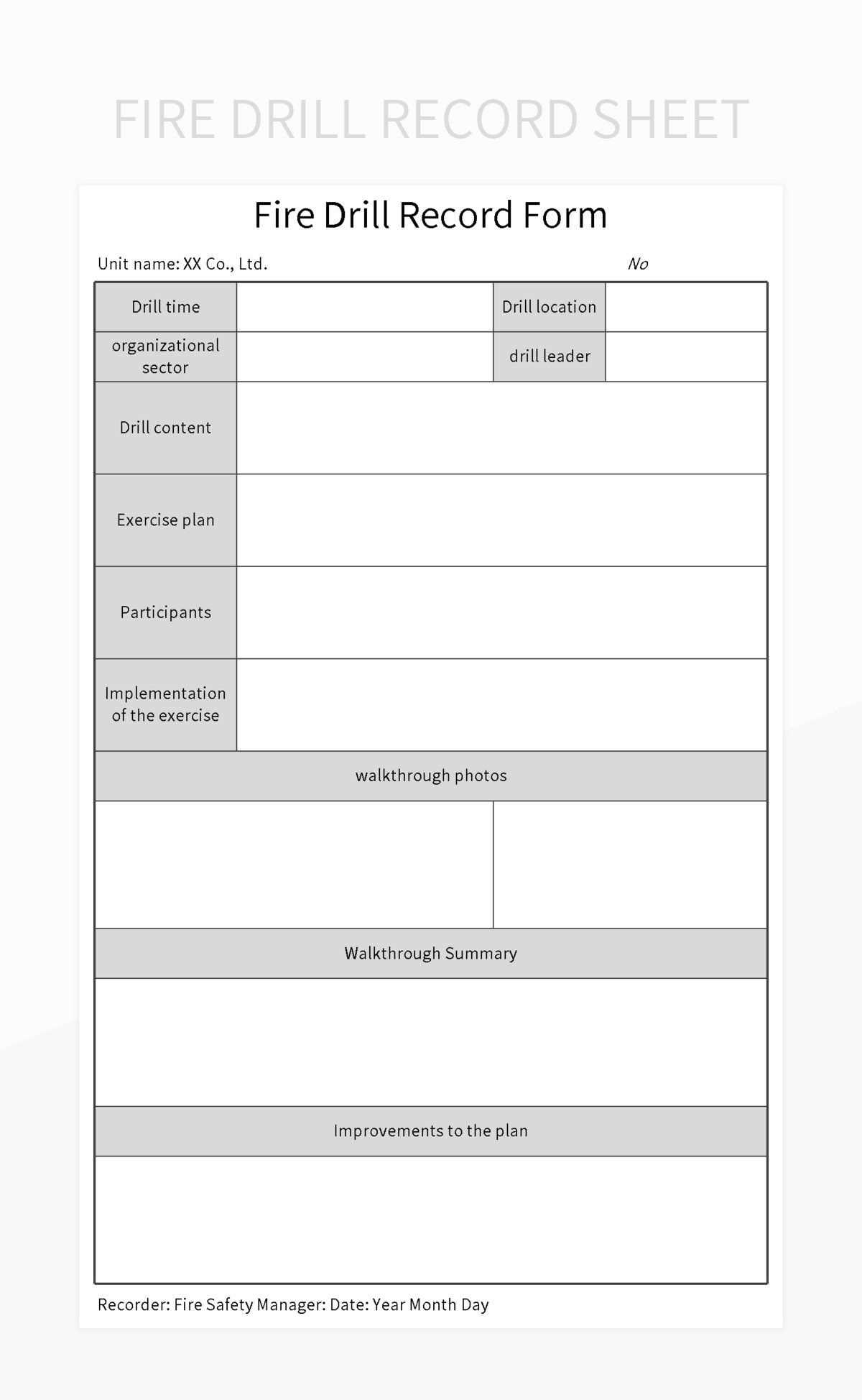
Creating a Detailed Emergency Evacuation Record
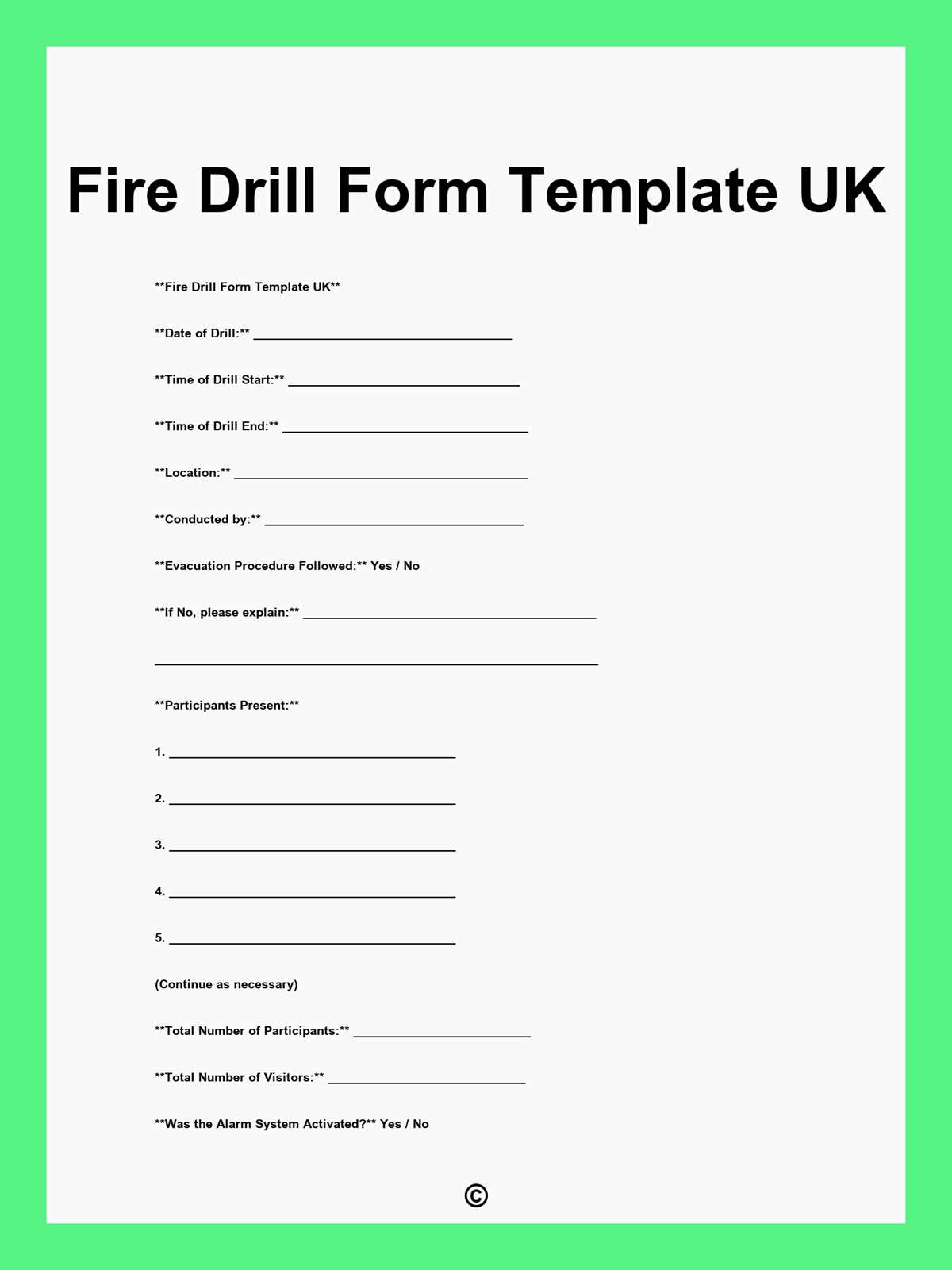
To ensure an organized evacuation, create a structured document that records key details of each event. Include fields for the date, time, and location. Also, track the personnel involved and their assigned duties. This helps to evaluate preparedness and identify any gaps in training.
When preparing this document, include sections to note the actual time taken for each phase of the procedure. For example, how long it takes for all individuals to reach the designated assembly point should be logged. Additionally, note any issues such as blocked exits, malfunctioning alarms, or confusion about the exit routes.
- Time to evacuate all staff
- Number of personnel accounted for
- Comments on the clarity of instructions
- Identification of any safety hazards
After completing the evacuation, review the observations with the team. Document feedback and improvements for the next exercise. This not only improves efficiency but also ensures compliance with workplace safety regulations. A well-maintained record will help refine procedures and improve safety readiness in the long run.
How to Customize a Fire Drill Form for Your Workplace
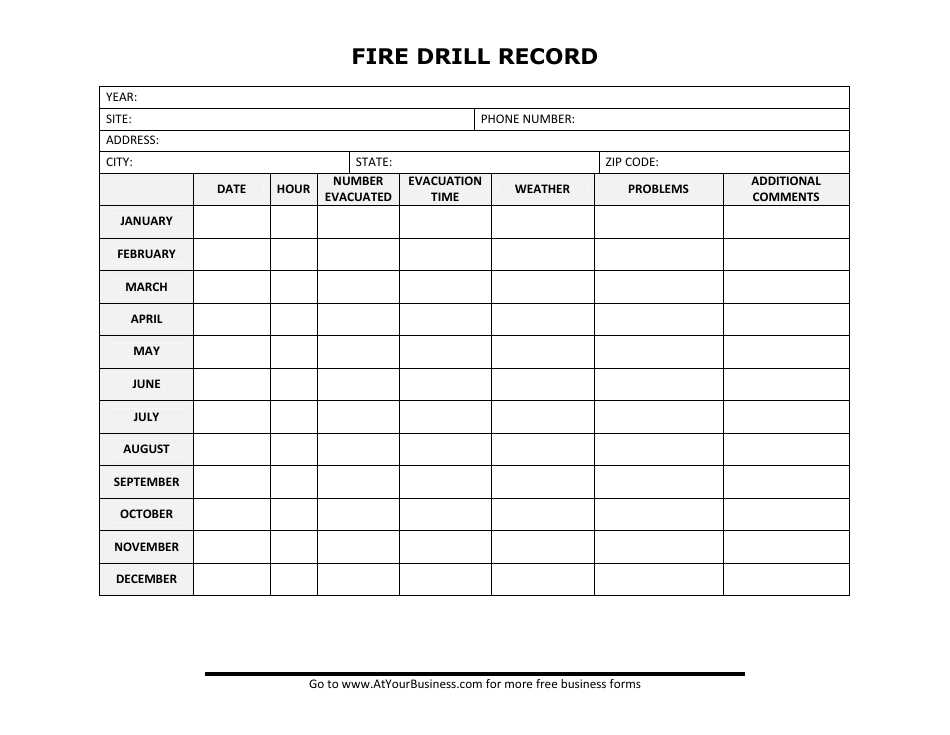
Begin by adjusting the document to fit the specific layout and design of your office or facility. Tailor the sections to capture relevant data based on your building’s unique layout, such as the number of floors or specific departments that require special attention during an evacuation.
Include specific roles for staff members, especially if certain individuals are responsible for checking equipment or assisting people with disabilities. Assign clear duties for the safety officers, floor wardens, and any designated evacuation leaders. This clarity will ensure that everyone knows their responsibilities during an emergency.
- List of roles and assigned personnel
- Clear guidelines for personnel with mobility issues
- Emergency contact numbers
Incorporate space for recording the time it takes for individuals to reach designated safe zones. This information is key to analyzing the effectiveness of evacuation routes. Make sure to note the time each section of the procedure takes to complete, including the time spent in gathering at assembly points.
Next, make room for recording any problems that occurred during the exercise, such as blocked exits, confusion about instructions, or delays. These observations help to identify areas for improvement in your procedures and avoid repeating mistakes in future drills.
If you have different teams or departments within your organization, create customized templates for each group. Different teams may require different procedures or assistance during the evacuation. By customizing the form, you can tailor the document to track their individual evacuation performance.
Lastly, ensure the form includes a section for feedback after the drill. Gathering input from employees and safety officers will provide valuable insights into the drill’s success and highlight any issues that need addressing. This ongoing evaluation process will improve both the training and actual emergency response.