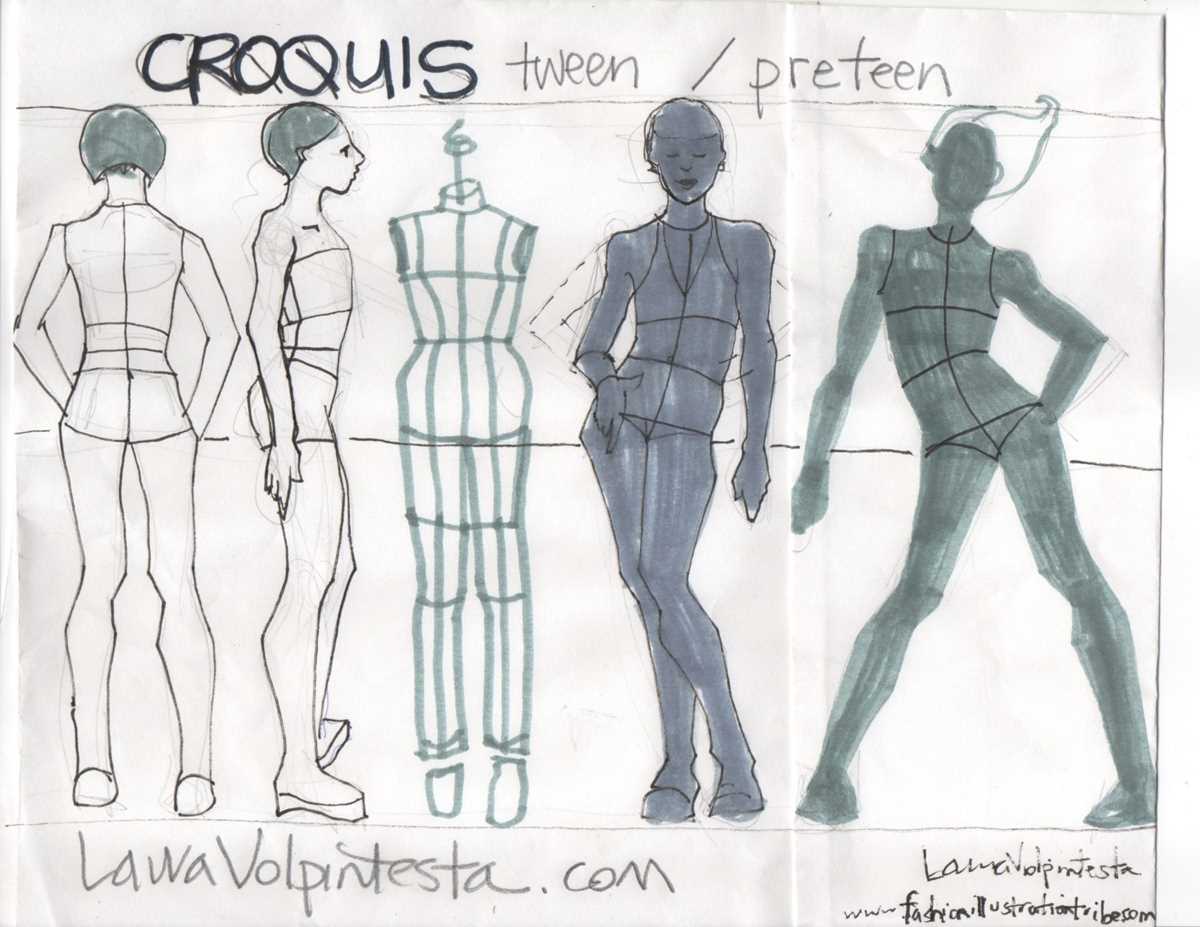
Start by selecting the right sketch outline that aligns with your creative vision. Opt for clean, simple figures that allow for easy customization of clothing styles, cuts, and proportions. These pre-drawn outlines offer flexibility for sketching various garment types, from casual wear to haute couture, without having to worry about anatomy or body proportions.
Once you’ve chosen an outline, download it in the preferred format, ensuring that the image resolution is high enough to maintain sharpness and clarity when printed. A higher DPI (dots per inch) ensures that your work will be clear, even if you resize the image. Consider printing on thicker paper for more durability, especially if you’re planning to use markers or other art supplies.
To make the most of your sketches, don’t be afraid to modify the figures to suit your style. You can adjust the posture, add more detailed accessories, or experiment with different proportions to see how each element changes the overall appearance. Customization is key when turning your ideas into something truly unique, and these pre-made outlines make that process much easier.
How to Use Fashion Sketch Outlines for Your Clothing Ideas
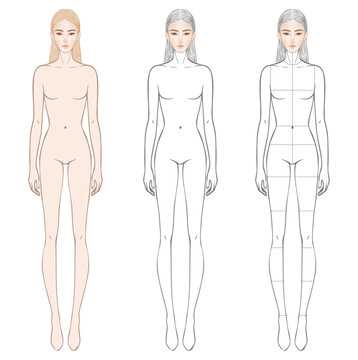
Select a sketch outline that complements your design vision. Begin with a basic body shape that can easily be adjusted to suit various clothing styles. Keep the outline simple but detailed enough to allow for creative modifications. This will serve as a foundation for your drawings, where you can freely experiment with cuts, silhouettes, and proportions.
Once you’ve picked your outline, print it on high-quality paper for a durable base. Choose a slightly heavier weight paper to prevent ink smudging, especially if you plan to use colored pencils, markers, or other art supplies. The higher the resolution, the clearer your outlines will be when printed, which helps you work with finer details.
Consider printing several versions of the same figure with slight variations in posture or body type. This way, you can see how your designs look on different proportions and experiment with a variety of looks without redrawing the entire figure. These small changes can drastically affect the way clothing flows and fits.
After printing, use tracing paper to layer over your outline and add intricate details such as ruffles, seams, or decorative elements. This method allows for easy adjustments without affecting the main figure. You can also experiment with various textures and patterns directly on the outline to envision how fabrics will appear on your creations.
By customizing the outlines and incorporating your unique ideas, you can quickly move from sketching to actual garment planning. This approach streamlines the process and gives you a more flexible, creative space to visualize your concepts before moving on to fabric and materials.
How to Choose the Right Template for Your Fashion Sketches
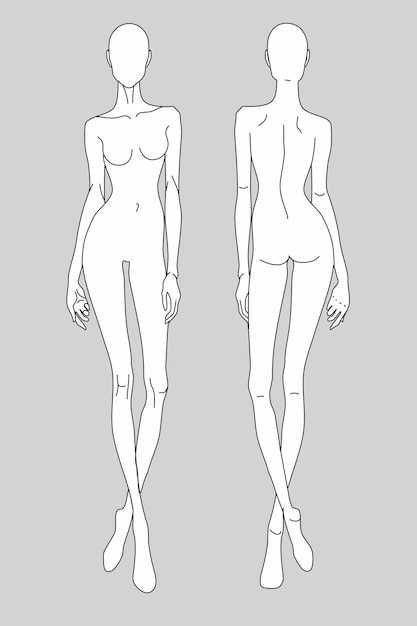
Start by considering the type of clothing you want to sketch. Choose a figure outline that suits the style you’re working with. If you plan to focus on dresses or formal wear, opt for templates with long, flowing lines. For casual wear or structured garments, choose more angular figures to highlight the precision of the design.
Next, look at the level of detail in the outline. If you prefer a more polished, refined look, a highly detailed template can help guide your sketch with clearer features. On the other hand, if you’re still experimenting with silhouettes and clothing structures, a simple outline without excessive detail allows for more flexibility in shaping your concepts.
Consider the body proportions represented by the figure. If you’re designing for specific body types, select outlines that reflect those measurements. Some templates are more versatile, offering a neutral body shape, while others might cater to specific sizes or demographics, such as petite, plus-size, or athletic builds.
Choose templates with poses that match the mood of your collection. A straight posture is ideal for structured designs, as it shows the full garment. A more dynamic or asymmetrical pose works best for garments that require movement or fluidity, like skirts or dresses with draping fabric. Look for flexibility in poses for a more expressive design process.
Think about the customization options. Some figure outlines are basic and can be easily modified, while others are more intricate and may require more effort to adjust. If you’re comfortable with freehand modifications, a simple outline will suffice, but if you prefer a more detailed and polished approach, opt for a template that provides more specifics.
If you’re unsure which template to choose, start with a set of multiple options. You can print several copies and experiment with different body shapes, poses, and levels of detail. This will help you determine which suits your style and process best.
Finally, consider the scale of your sketches. If you’re working on small designs, smaller templates will allow for more intricate work. For larger designs or full-body garments, larger outlines give you more space to add details, patterns, and textures. Select the size that fits your design needs and creative workflow.