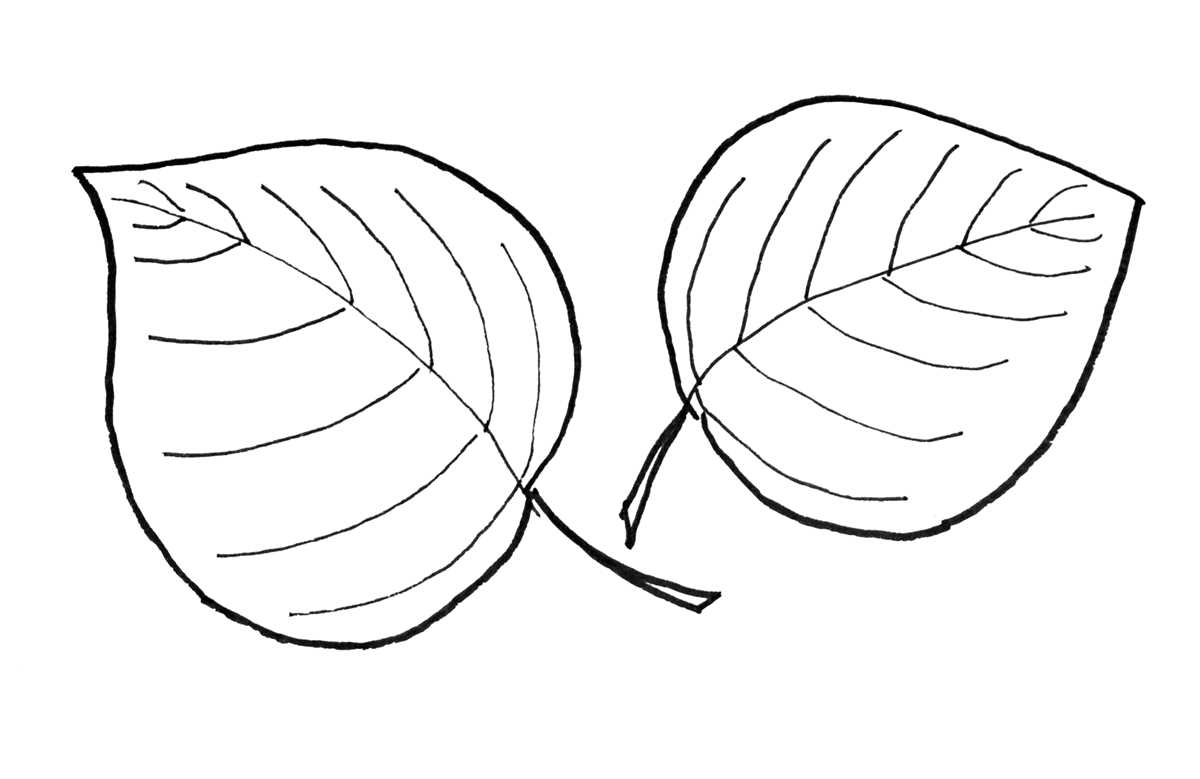
Download outline patterns in multiple sizes, from 3-inch small shapes for greeting cards to full-page designs for wall décor. Choose clean black contour drawings with thick 1–2 pt lines so cutting edges remain visible after printing.
Select species-specific designs such as maple, oak, birch, and elm to match classroom themes or seasonal crafts. Use simple silhouettes for preschool tracing activities and detailed vein structures for older students practicing fine motor skills.
Print on 80–120 gsm paper for coloring pages and switch to 160–200 gsm cardstock for sturdy cutouts used in garlands or window displays. Set printer scaling to 100% and disable borderless resizing to keep proportions accurate.
Store digital files in PDF format for consistent sizing across devices. Prepare both labeled and unlabeled versions if the shapes will support botany lessons, allowing learners to connect tree names with distinct blade outlines.
Printable Fall Leaf Templates
Choose outline sets that include maple, oak, birch, and chestnut shapes in at least three size variations such as 3-inch, 5-inch, and full-page formats. Multiple scales allow use in greeting cards, bulletin boards, and large wall displays without resizing distortion.
Select clean contour drawings with line thickness between 1 and 2 pt to keep cutting edges visible. Thin lines fade after printing, while overly thick borders reduce interior coloring space for crayons or markers.
Match paper weight to the project type:
- 80–100 gsm for tracing and coloring sheets
- 120–160 gsm for classroom cutouts
- 200 gsm cardstock for hanging decorations or garlands
Adjust printer settings to 100% scale and disable automatic fit options. This keeps proportions accurate, especially for detailed lobed shapes like maple silhouettes.
For group activities, place two or four outlines per page to reduce paper use. After printing, stack sheets and cut them simultaneously with a craft knife and metal ruler for consistent edges.
Store digital files in PDF format and organize them by species and size. Keeping separate folders for small, medium, and large designs speeds up preparation for seasonal art sessions and classroom displays.
How to Choose Leaf Shapes and Sizes for Different Craft Projects
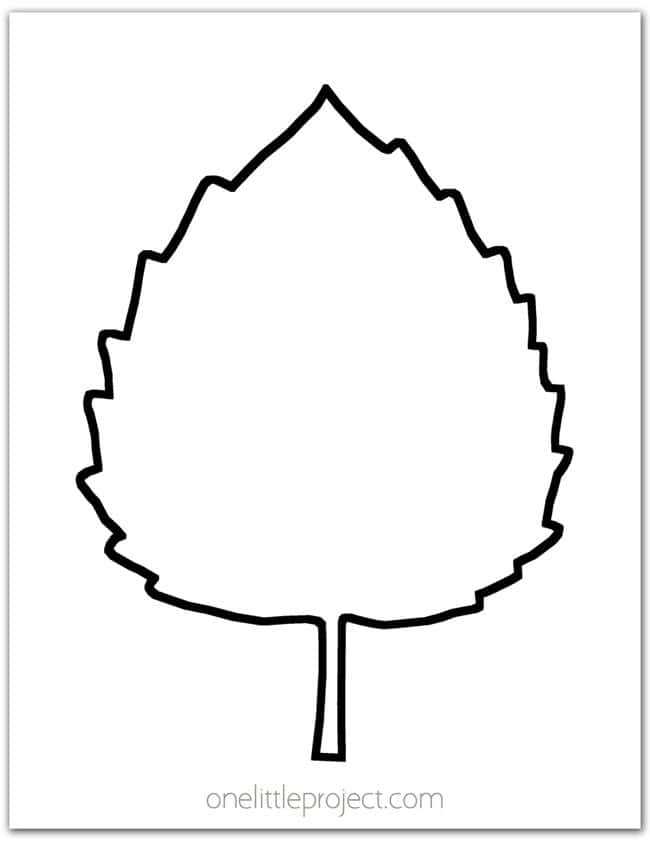
Select small 2–3 inch silhouettes for greeting cards, gift tags, and table confetti. Compact shapes are easier to cut in large quantities and fit neatly on folded A6 or A7 cardstock without trimming edges.
Use medium 4–6 inch outlines for classroom art boards and scrapbook pages. This size provides enough interior space for painting, collage, or textured crayon rubbings while remaining manageable for younger students.
Choose full-page designs for window décor, door hangings, or bulletin board backdrops. Large formats highlight vein details and serrated edges, making them suitable for displays viewed from several meters away.
Match species shape to project theme. Maple works well for bold, recognizable décor; oak suits rustic themes; birch and elm forms fit minimalist designs with smoother edges.
Consider complexity of the outline. Simple lobed shapes are better for preschool cutting practice, while detailed contours with narrow indentations challenge older students and improve precision skills.
For layered crafts, combine three sizes of the same silhouette and stack them with foam adhesive to create depth. Gradual size reduction of 20–30% between layers produces balanced proportions.
Check available page space before selecting dimensions. On US Letter or A4 sheets, two medium shapes or one large outline per page maintain clean margins without scaling distortion.
Prepare both solid silhouettes and vein-detailed versions if the project includes painting or educational labeling. Solid forms support color blending, while detailed drawings allow marking of blade, petiole, and lobe structure.