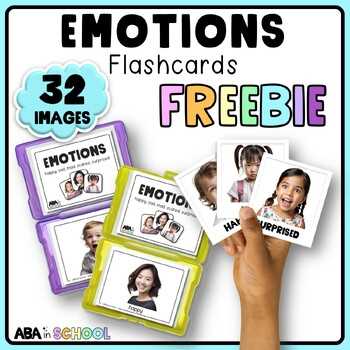
Use illustrations or visual representations to help children and adults identify and express feelings. These visuals can be a great resource for enhancing communication, particularly for those who struggle with verbalizing emotions. They provide a straightforward way to teach empathy and emotional recognition.
Create or download designs that represent a range of common feelings, such as happiness, sadness, anger, and surprise. Each card should feature a clear, simple image paired with the word describing the emotion, helping the user connect the visual cue to its emotional meaning.
For optimal use, print these resources on durable paper or cardstock. Laminating them ensures they last longer, especially when used in educational settings or therapy sessions. These visuals are perfect tools for engaging kids in conversations about their feelings and helping them learn how to manage emotions more effectively.
Using Visual Tools for Teaching Feelings
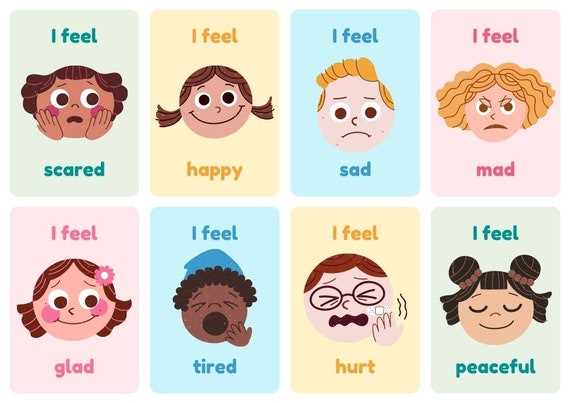
To help individuals understand and express their feelings, using visuals that represent different moods is highly effective. These illustrations can make abstract concepts more tangible, particularly for younger children or people with developmental disorders. A set of clear, easy-to-read designs featuring a variety of facial expressions and body language will provide a great starting point.
When selecting visuals, focus on simplicity. Avoid overly complicated images that might distract or confuse the learner. Simple faces with exaggerated expressions–such as a smiling face for happiness or a frowning face for sadness–will make it easier for people to identify emotions. Ensure that the images are big enough to be seen from a distance, especially if they are used in group settings.
Once you’ve selected your images, print them on sturdy paper or cardstock for durability. Lamination adds extra protection if the visuals are being used frequently, as it prevents wear and tear over time. If you plan on using them with multiple users, consider making several copies to avoid damage and allow for shared use in educational or therapeutic settings.
These tools can be used in a variety of ways. For example, in a therapy session, they can help clients identify their current feelings or explore how they may have felt in the past. In a classroom, educators can use these illustrations during group activities to encourage kids to talk about their emotions or practice recognizing the emotions of others.
To enhance the experience, try integrating these images with other sensory tools, such as music or role-playing activities. This will help reinforce the connection between the visual cue and the feeling, creating a more engaging learning environment that encourages emotional growth and understanding.
How to Create Custom Cards for Different Ages
Start by tailoring the images to the cognitive and emotional development of the age group. For younger children, choose simple, clear facial expressions that are easy to interpret, such as smiling for happiness or frowning for sadness. Use bright, bold colors and minimal details to keep the designs engaging without overwhelming the child.
For older children and teenagers, you can include more subtle and complex emotions, like frustration, embarrassment, or confusion. These visuals should feature more nuanced expressions and a wider variety of scenarios, such as a person in a group or someone facing a challenging situation. Adding context to the images, such as an activity or setting, can help older children relate more deeply to the feeling represented.
Incorporating text alongside the image can help reinforce the connection between the visual and the emotion, especially for children who are learning to read. For younger children, use simple, large-font words or even just a few letters. For older kids or teens, include more detailed descriptions or even relatable examples of situations where they might feel that way.
Consider the size and format when designing your visuals. For toddlers, small, card-sized images may work well, while for older kids, you might want to create larger posters or more detailed illustrations. If you’re using these tools in an educational or group setting, larger prints might help everyone see the visuals more clearly.
Lastly, to keep the tools versatile, make them reusable. Laminate or use sturdy paper to ensure they last longer. You can also offer these visuals as part of a matching game or interactive activity, allowing kids of all ages to engage with the designs in different ways that promote emotional learning and development.